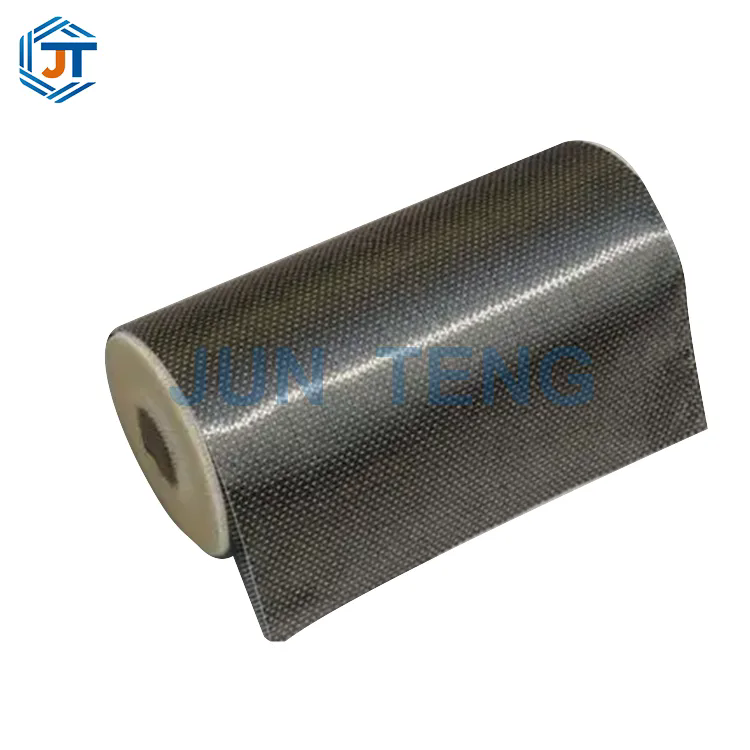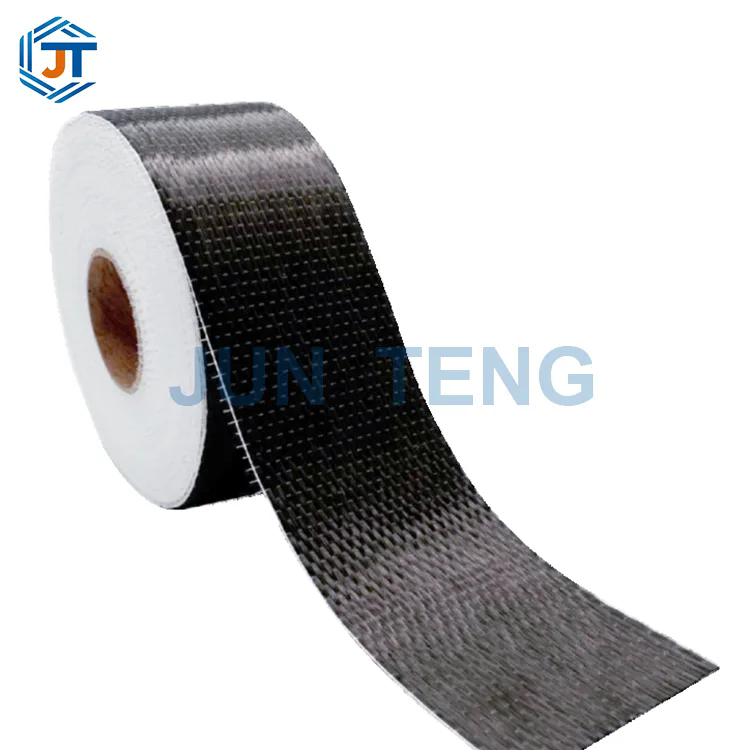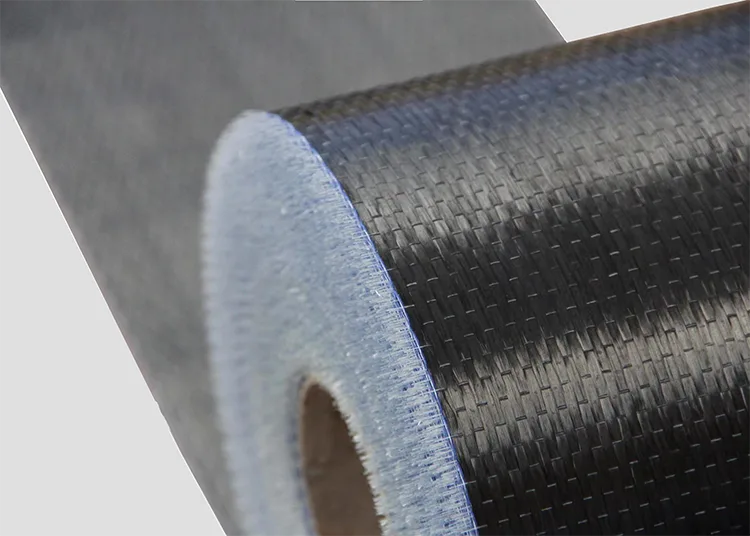

Customized Bidirectional Twill Carbon Fiber Fabric for Enhanced Composite Performance
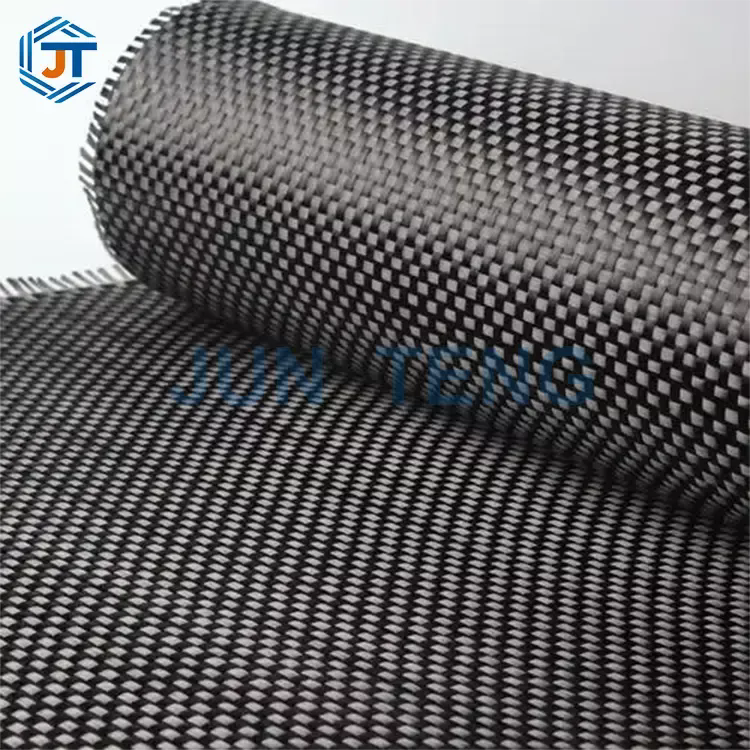
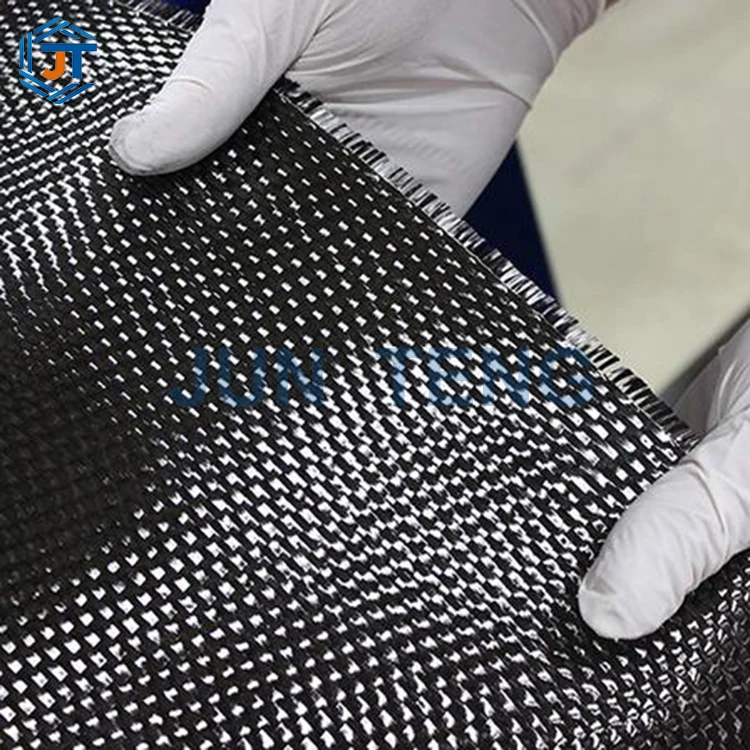
JUN TENG’s Bidirectional Twill Carbon Fiber Fabric features a twill weave that results in a smooth, flexible surface with balanced bidirectional strength and excellent conformability, making it ideal for reinforcing curved surfaces and irregularly shaped components. We also stock a wide range of other carbon fiber woven fabric specifications. With extensive experience in the construction reinforcement industry, JUN TENG delivers products with stable, reliable performance that are widely recognized and trusted by engineering firms. We welcome inquiries regarding procurement and reinforcement solutions—please contact us directly!
Standard Product Specifications
| Product Name | Areal Density | Weaving Process | Core Advantages | Applicable Engineering Scenarios |
|---|---|---|---|---|
| Bidirectional Plain Weave Carbon Fiber Fabric | 200g/㎡ | Precision plain weaving | Light, flexible, high adhesion, cost-effective | Floor crack resistance, wall repair, small component reinforcement, light renovation of old buildings |
| Bidirectional Plain Weave Carbon Fiber Fabric | 300g/㎡ | High-density plain weaving | Higher tensile strength, strong load capacity, stable structure | Beam & column reinforcement, bridge strengthening, load improvement, seismic upgrading projects |
| Custom Plain Weave Carbon Fiber Fabric | Customized weight & width | Custom plain weaving technology | Customized for non-standard conditions, fits special irregular structures | Special irregular projects, industrial equipment reinforcement, customized strengthening works |
How do you choose between Bidirectional Twill and Bidirectional Plain Weave Carbon Fiber Fabric?
Choose based on the shape of the substrate surface. Plain weave carbon fabric is stiffer and more stable, making it suitable for reinforcing flat surfaces and standard beams or columns. Twill weave carbon fiber fabric offers superior flexibility and bendability; it conforms far better than plain weave fabric to arcs, curved surfaces, corners, and irregular or uneven substrates. It prevents bubbling and air pockets, making it the preferred choice for reinforcing complex structures.
Is the load-bearing performance of Bidirectional Twill Carbon Fiber Fabric inferior to that of plain weave?
No. Our bidirectional twill carbon fabric is produced using a precision bidirectional (warp and weft) weaving process that ensures balanced tensile strength in both directions, fully meeting mechanical performance standards. It combines high strength with enhanced flexibility, making it suitable for reinforcing areas subject to multi-directional stress or curved deformations, and providing a comprehensive reinforcement effect that is better suited to complex engineering projects.
Is twill carbon fabric prone to fraying during installation?
JUN TENG utilizes a high-density edge-locking and balanced-tension weaving process. The fabric is compact with a uniform texture; it resists fuzzing and fraying during manual cutting and on-site grinding, significantly reducing material waste and the risk of voids or poor adhesion.
Key Advantages
1. Exceptional flexibility—ideal for complex, irregular substrates
The interlaced twill structure gives the product excellent bending and conformability characteristics. It adheres tightly to complex surfaces—such as curved box girders, arched tunnels, curved walls, and beam-column corners—without leaving gaps or dead zones. It solves common installation issues associated with standard carbon fabrics, such as stiffness, edge lifting, and poor adhesion.
2. Balanced bidirectional load-bearing and superior crack resistance
With uniform strength in both warp and weft directions, it simultaneously withstands transverse and longitudinal structural tensile forces. It effectively mitigates issues such as mesh cracking, localized deformation, and uneven stress distribution, thereby enhancing the structure's overall toughness and seismic resilience.
3. Excellent resin impregnation and smooth finish
Featuring a clear twill weave and uniform porosity, the fabric allows for rapid and thorough resin penetration without trapped air bubbles. Upon curing, the carbon fiber cloth integrates seamlessly with the concrete, ensuring a strong bond and structural integrity, resulting in a high-quality finished appearance.
4. Lightweight, corrosion-resistant, and durable structural protection
The product is extremely lightweight, adding no significant load to the building or altering its structural appearance. It offers excellent resistance to aging, acids, alkalis, salt spray, and corrosion, ensuring long-term stability in humid, coastal, underground, and corrosive industrial environments.
5. Strict factory quality control for hassle-free project acceptance
Backed by 18 years of manufacturing experience, JUN TENG maintains full control over the weaving process to eliminate defects such as broken filaments, uneven gaps, or material inconsistencies. Official test reports are provided for every batch, ensuring data compliance and complete documentation that fully meets inspection and acceptance standards for municipal, building construction, and bridge engineering projects.
Key Application Scenarios
1. Reinforcement scenarios requiring flexible bonding, application on irregular curved surfaces, or multidirectional crack resistance
2. Repair of curved surfaces on aging buildings
3. Strengthening of curved bridge components
4. Reinforcement of arched tunnel linings
5. Load-bearing capacity upgrades for irregular industrial equipment
6. Repair of irregularly shaped structural components following fire damage
As a direct manufacturer, JUN TENG maintains ample stock and supports bulk wholesale and custom project orders. We also offer a comprehensive range of complementary materials—including carbon fiber adhesives, steel bonding adhesives, and epoxy rebar anchoring adhesives—to provide a one-stop procurement solution. Our professional technical team offers product selection advice, construction guidance, and solution optimization to help projects reduce costs, ensure efficient completion, and pass inspections smoothly.
- View as
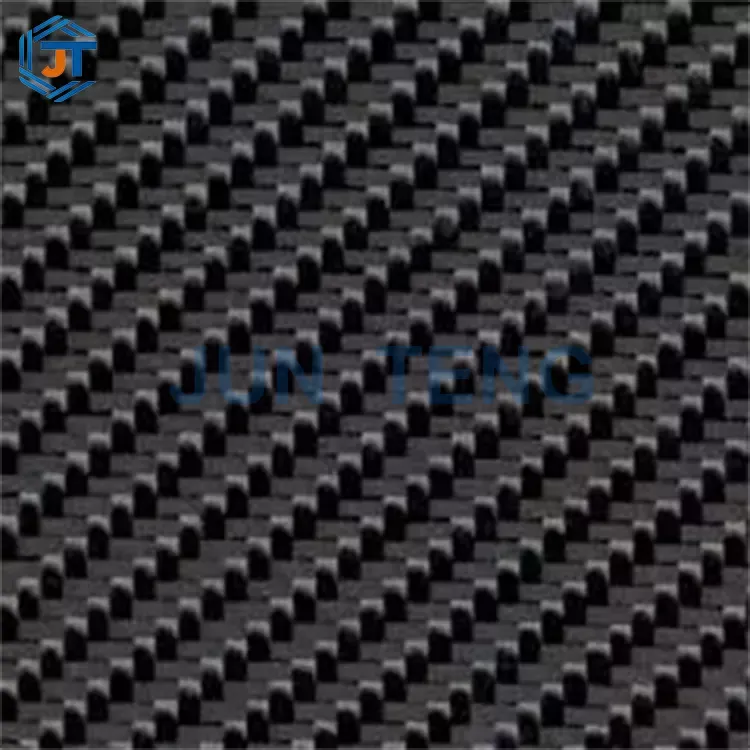
Bi-directional Twill Carbon Fiber Woven Fabric
JUN TENG has 18 years of experience in wholesale of carbon fiber materials, specializing in high-quality Bi-directional Twill Carbon Fiber Woven Fabric with balanced stress distribution in both warp and weft directions, exquisite diagonal three-dimensional texture, and excellent surface bonding effect. It is suitable for various fields such as automotive and motorcycle, model aircraft, and industrial reinforcement. We have a first-hand source of original goods, eliminating the need for multiple intermediaries to increase prices.
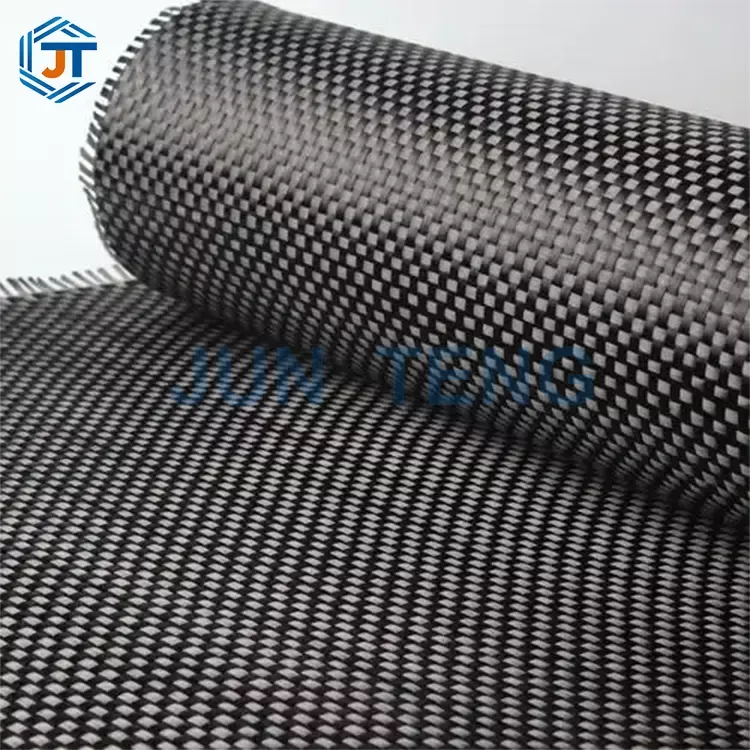
12K Twill Carbon Fiber Woven Fabric
JUN TENG's 12K Twill Carbon Fiber Woven Fabric is woven using high modulus 12K raw silk 2 × 2 twill weave, with thick tow and outstanding load-bearing performance. The three-dimensional twill texture is clear, and the drape wrapping is excellent. It is suitable for heavy-duty scenarios such as ships, heavy industry structures, building reinforcement, and large automotive and motorcycle parts.
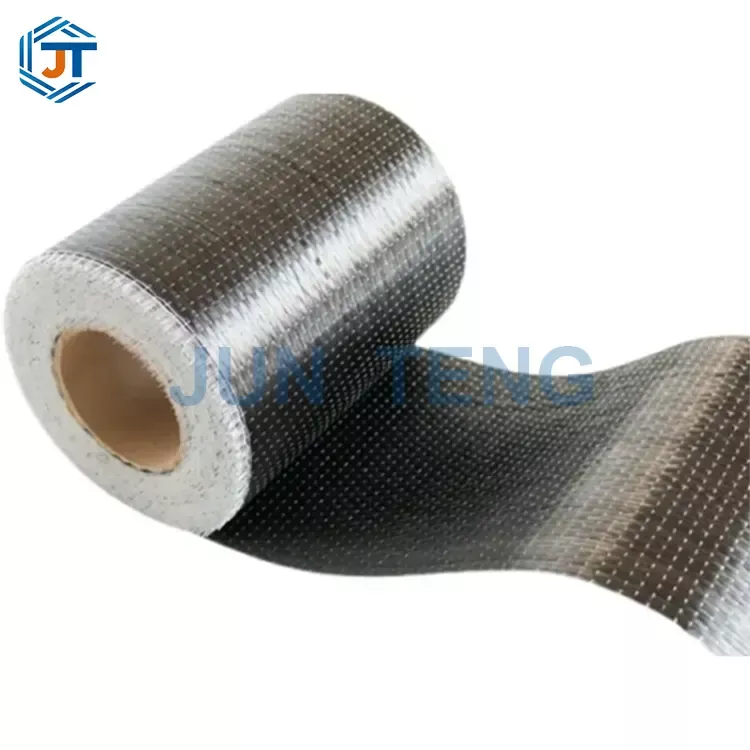
3K Twill Carbon Fiber Woven Fabric
JUN TENG's 3K Twill Carbon Fiber Woven Fabric is woven using T700 grade raw silk 2 × 2 twill weaving process, with exquisite and high-end three-dimensional texture and good adhesion of curved surface covering. It combines high strength, lightweight and beautiful texture, and is widely used in automotive and motorcycle modification, high-end model aircraft, and light luxury craft shells. Our company has complete qualifications and provides one-stop services for selection, cutting, and customs declaration.
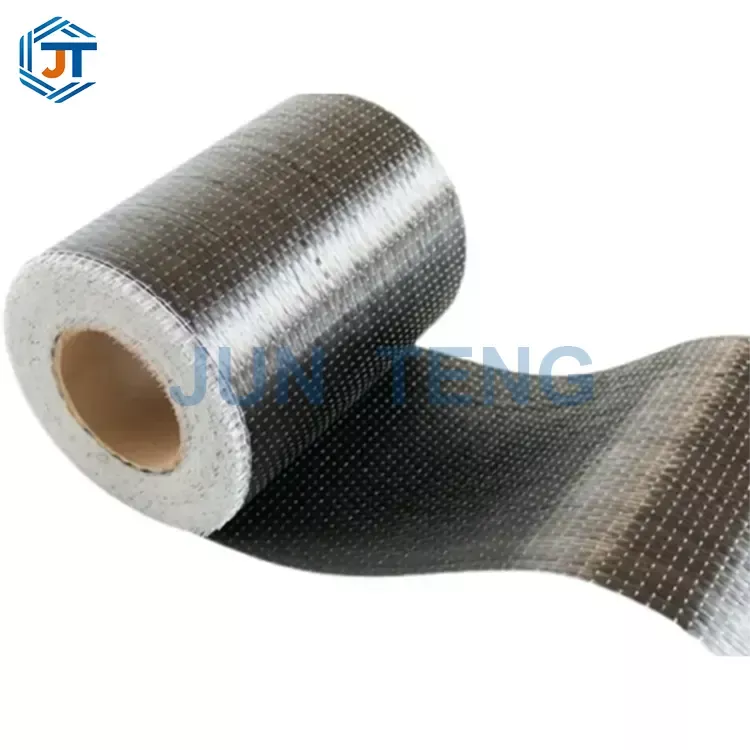
300g Twill Carbon Fiber Woven Fabric
JUN TENG's 300g Twill Carbon Fiber Woven Fabric has clear and three-dimensional texture, uniform and stable weight, outstanding tensile and shear resistance, strong surface adhesion, and is suitable for modified car shells, drone racks, sports equipment, mold wrapping and other scenarios. Our factory is a professional supplier of twill carbon fiber woven fabric, with sufficient stock to support large-scale wholesale sales of twill carbon fiber woven fabric. You can directly purchase Twill Carbon Fiber Woven Fabric online, supporting width cutting, specification customization, full factory inspection, stable delivery time, and both large and small orders can be matched, making procurement worry free and reliable.
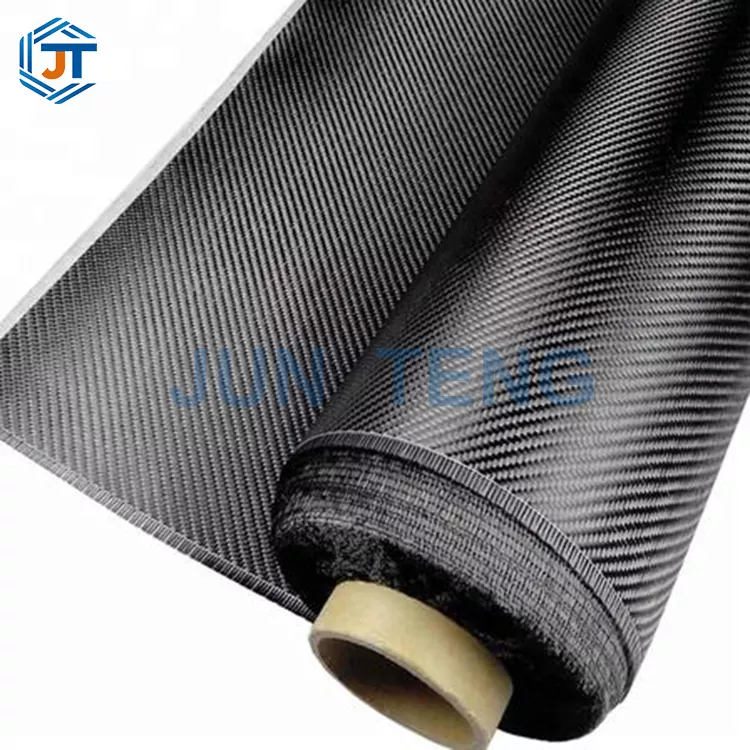
200g Twill Carbon Fiber Woven Fabric
JUN TENG's 200g Twill Carbon Fiber Woven Fabric is woven with 2 × 2 standard twill weave, with a precise surface density of 200g/㎡. The fabric surface is smooth, vertical, and has full surface fitting ability, balancing bidirectional mechanical properties with advanced three-dimensional carbon grain appearance. Our factory has its own complete weaving production line, with readily available stock and customizable width/cutting length as needed.
JUN TENG is a professional Bidirectional Twill Carbon Fiber Fabric manufacturer and supplier in China. We warmly welcome you to wholesale high quality products at competitive price from our factory.