
Global Carbon Fiber Composite Industry Sees Dual Growth in Infrastructure Reinforcement & High-Temp Thermal Field Materials
The global carbon fiber composite market maintains a compound annual growth rate of 8.4% from 2026 to 2034, with total market value expected to reach USD 48.22 billion by 2034, according to third-party industrial research institutions. Two core demand tracks dominate the growth curve: civil infrastructure reinforcement materials for aging building renovation, and high-performance carbon-carbon composites serving photovoltaic and semiconductor thermal production lines.
Asia-Pacific occupies 42% of global composite consumption, among which China’s complete industrial chain of raw silk weaving, composite forming and precision sintering becomes a stable supply base for overseas buyers. Global procurement managers now prioritize suppliers with integrated production lines covering fabric weaving, structural adhesives and high-temperature C/C parts, instead of sourcing separate materials from scattered small workshops.
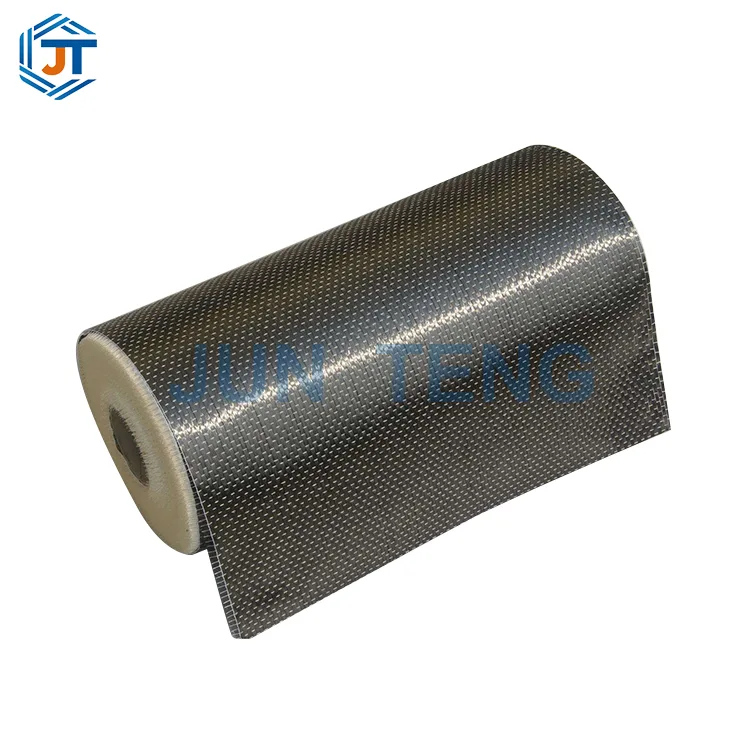
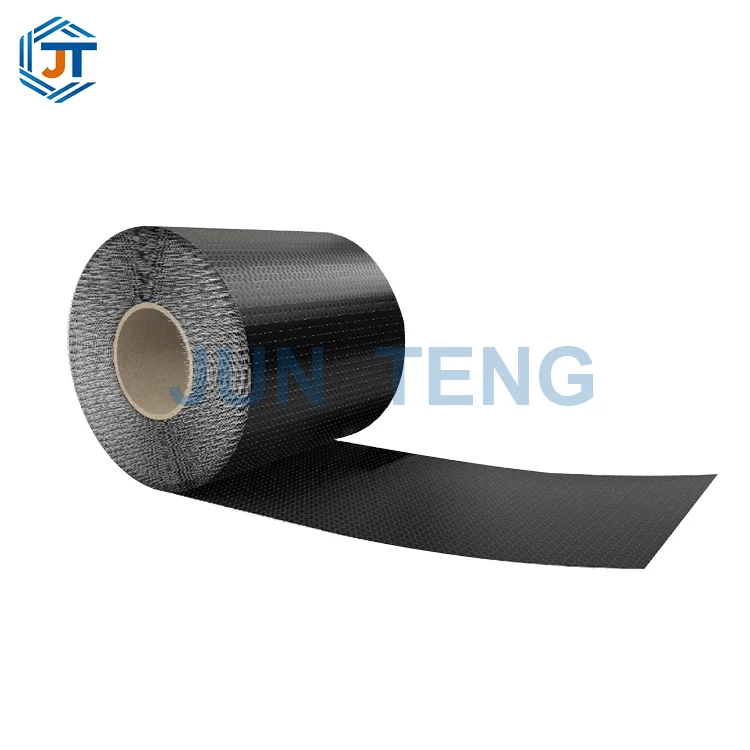
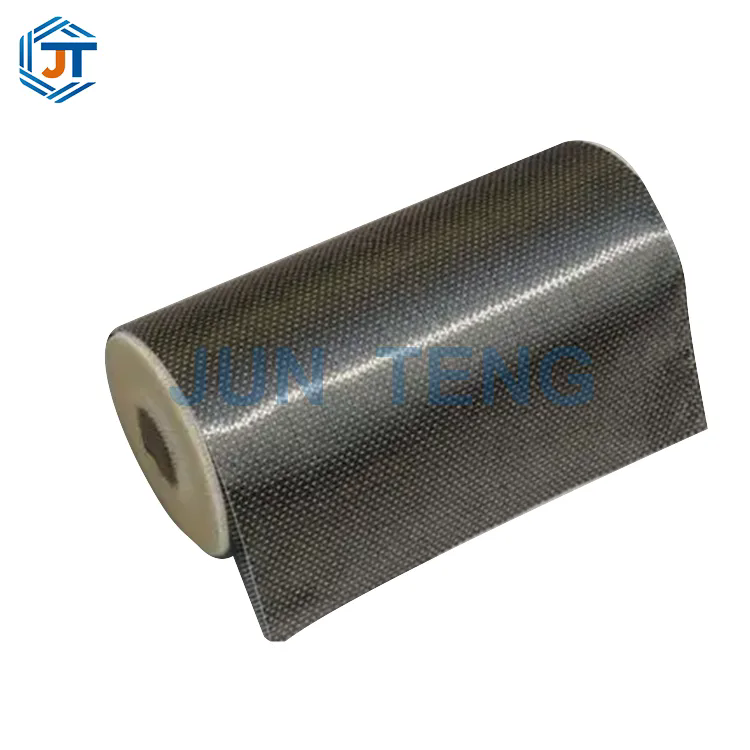
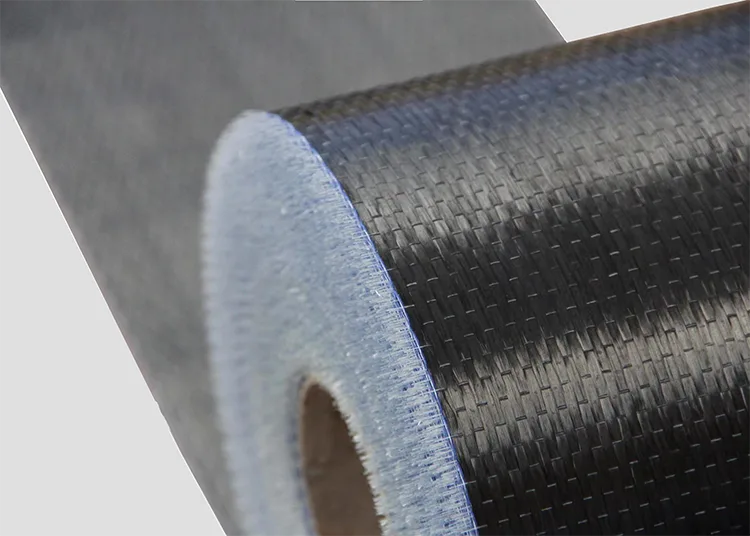
As infrastructure investment rises across Southeast Asia, the Middle East and Europe, standardized building reinforcement materials become a rigid procurement category. carbon fiber reinforcement fabric has become a mainstream tender material for bridge maintenance, old building seismic retrofitting and tunnel structural reinforcement, with bulk order volumes growing 19% year-on-year in cross-border procurement data collected in the first half of 2026.
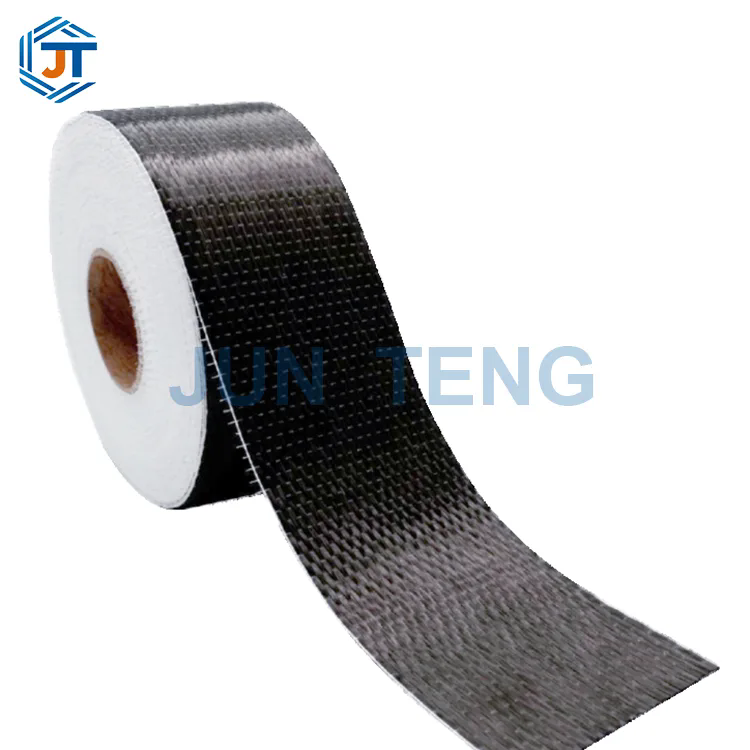
Two Major Core Product Segments & Standard Parameter Reference Table
The industry’s two mature product lines cover low-temperature structural reinforcement and ultra-high temperature industrial thermal fields, with unified international performance evaluation indicators for buyers’ comparison. Below is the standardized core parameter table recognized by global engineering and manufacturing purchasers.
| Product Category | Core Specs | Tensile Strength | Main Application | Standard Compliance |
|---|---|---|---|---|
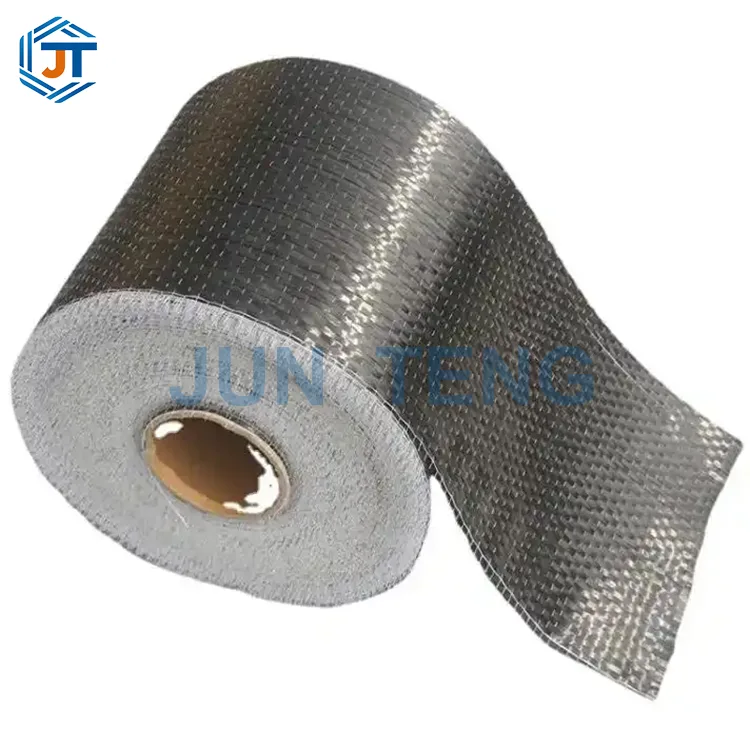
| Unidirectional carbon fiber reinforcement fabric | 200g Grade 1 | ≥3400MPa | Floor crack repair, light building reinforcement | GB 50367-2006 |
| Unidirectional carbon fiber reinforcement fabric | 300g Grade 1 | ≥3400MPa | Bridge beam column reinforcement, seismic upgrade | GB 50367-2006 |
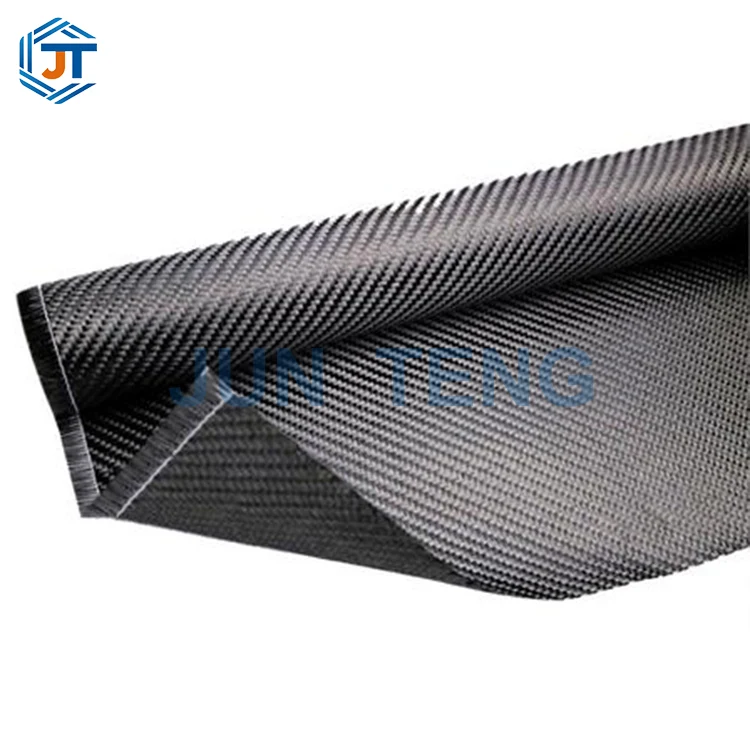
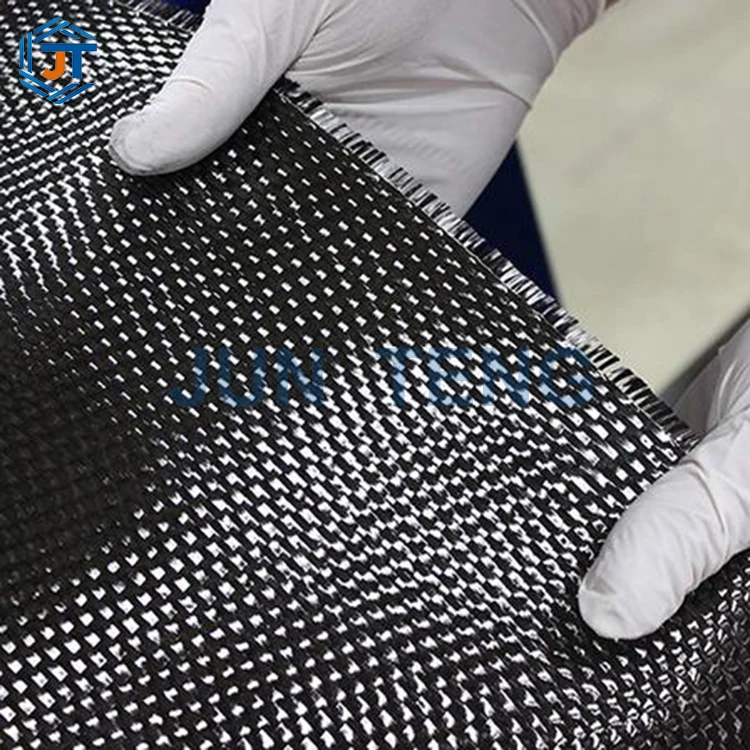
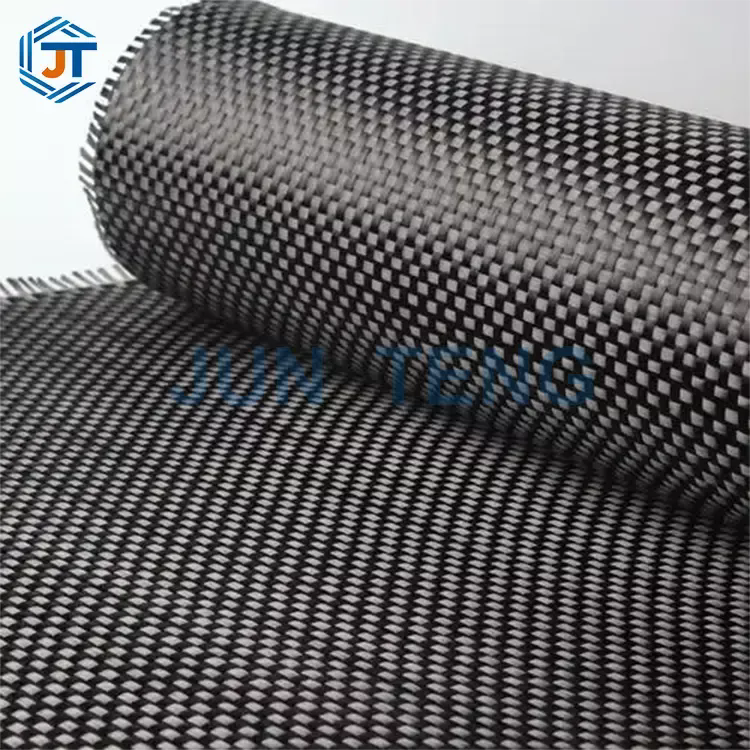
| Bidirectional plain/twill woven carbon cloth | 200g/300g | 2800–3200MPa | Automotive housing, sports equipment, decorative exterior | GB/T 21490-2008 |
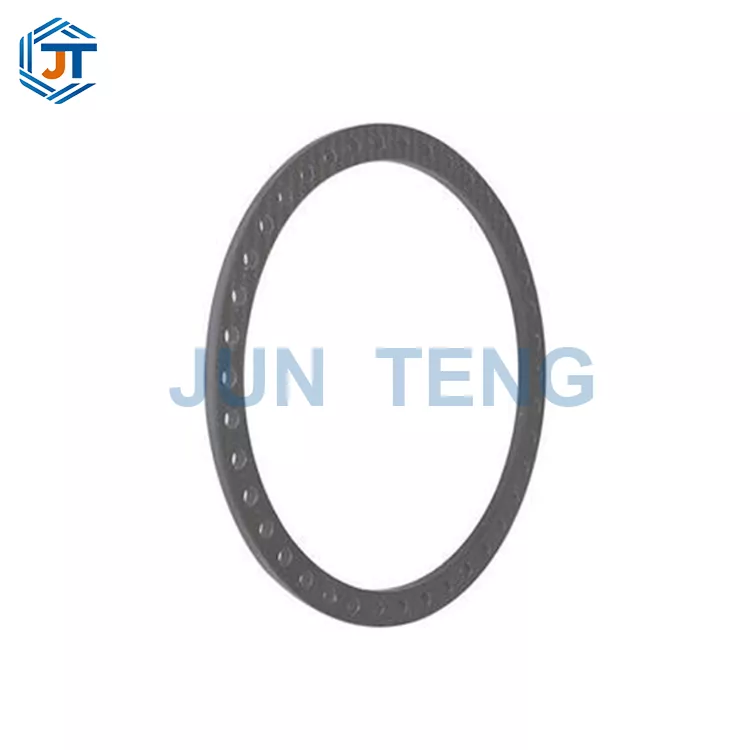
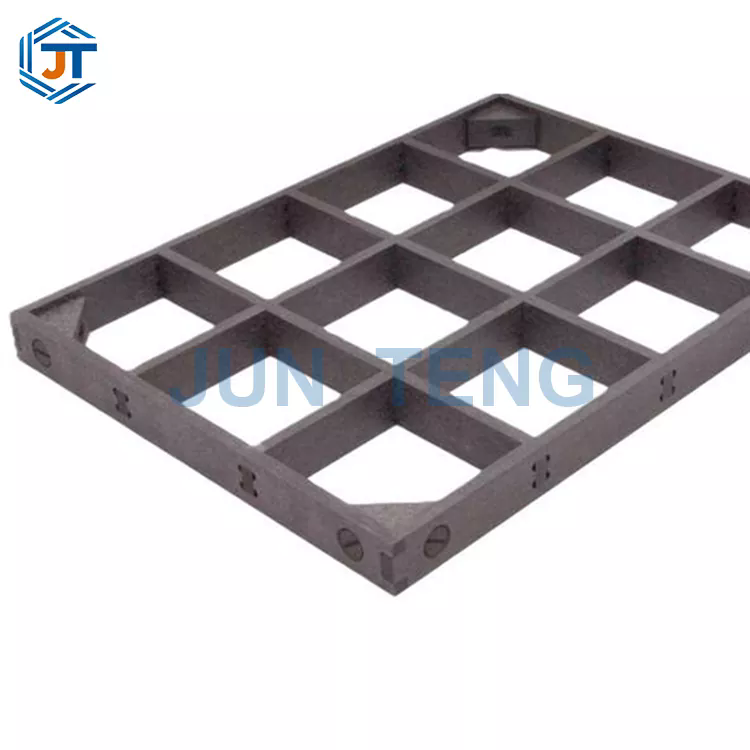
| Carbon-carbon plate | Custom thickness | Bending strength ≥120MPa | PV monocrystalline furnace carrier plate | Industrial high-temperature component standard |
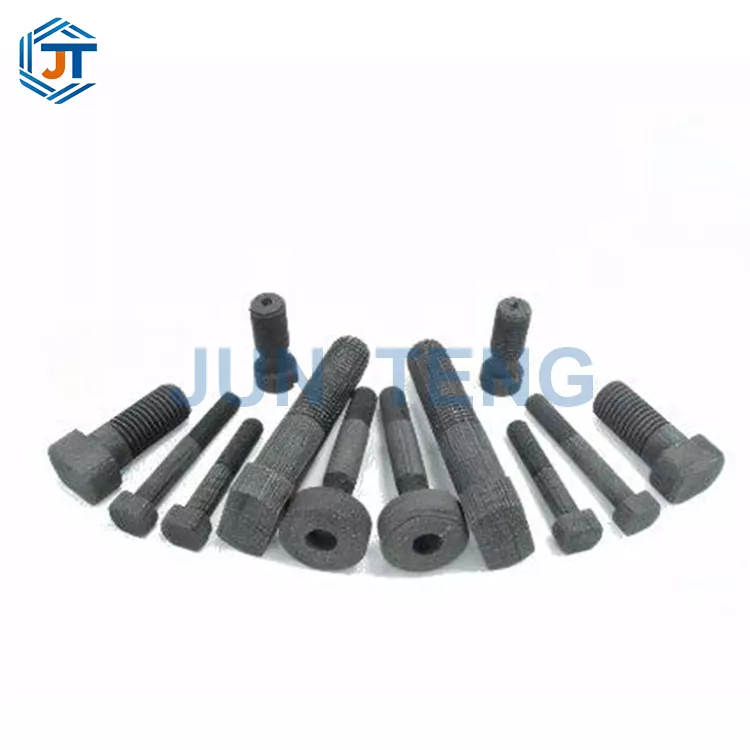
| Carbon-carbon fastener set (bolt/screw/nut/washer/stud) | M3–M24 size range | No thermal expansion deformation below 1600℃ | Vacuum furnace internal assembly | Custom thermal field part norms |
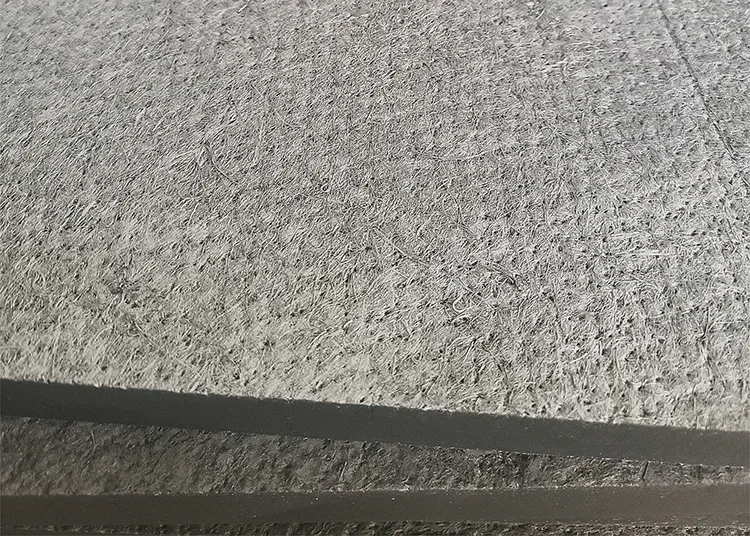
| Carbon-carbon thermal insulation material | Custom thickness & shape | Thermal conductivity ≤0.25 W/(m·K) | Semiconductor wafer production insulation | High-temperature fiber material specs |
| Shaped carbon-carbon parts | Custom drawing processing | Low thermal shock loss | Non-standard industrial thermal equipment | OEM customized composite rules |
Market Demand Breakdown of Carbon Fiber Reinforcement Materials
Civil engineering reinforcement remains the largest bulk consumption segment of carbon fiber woven products, accounting for 18% of global carbon fiber fabric shipments in 2026. Many European and Southeast Asian municipal governments have issued special renovation budgets for aging bridges and historic buildings, pushing stable overseas orders for carbon fiber reinforcement fabric.
Application Demand in Civil Infrastructure Projects
Traditional reinforcement materials such as steel plates and mortar have obvious defects including heavy weight, rust and complex construction procedures. Carbon fiber woven materials feature lightweight texture, strong adhesion and short construction cycles, which cut comprehensive engineering costs by 12%–20%. Representative application scenarios include large exhibition venue structural upgrading, campus building seismic reinforcement and urban tunnel long-term maintenance projects. Many landmark construction cases adopt matched sets of unidirectional carbon fiber reinforcement fabric and supporting epoxy adhesive to ensure long-term structural stability over 30 years.
Lightweight Demand in Aerospace, Automotive and Sports Industries
Bidirectional plain, twill and jacquard woven carbon fabrics expand rapidly in lightweight manufacturing. Aerospace component surface cladding, new energy vehicle body accessories and high-end bicycle frames all require customized weaving textures and surface gloss. Colored carbon fiber fabrics with red, blue and gold surface treatment gain rising popularity in high-end luggage and musical instrument exterior decoration fields, forming differentiated niche market demand separate from engineering reinforcement products.
Carbon-Carbon Composite Market Growth Fueled by PV and Semiconductor Industries
Carbon-carbon (C/C) composite materials become a high-growth sub-track independent from building reinforcement fabrics, with the photovoltaic silicon wafer manufacturing sector contributing 70.26% of C/C product global consumption in 2025. Unlike carbon fiber reinforcement fabric used under normal temperature environments, C/C series products can stably operate at temperatures above 1600℃ without deformation, corrosion or performance attenuation.
Standard C/C Structural Components Procurement Trend
Complete supporting parts are the mainstream procurement choice for factory buyers, instead of purchasing single carbon-carbon plates separately. Full-set matching products include carbon-carbon plates as bearing substrates, plus matched carbon-carbon bolts, screws, nuts, washers and studs for internal furnace assembly. This one-stop purchasing mode reduces the matching error rate of thermal field equipment and shortens the factory’s raw material stocking cycle.
Custom Shaped C/C Thermal Field Components
Semiconductor production lines and special metallurgical furnaces require non-standard thermal insulation and bearing structures, driving stable orders for shaped carbon-carbon parts and carbon-carbon thermal insulation felts/tubes. Most industrial equipment manufacturers provide design drawings to composite manufacturers for one-piece sintering and precision machining, eliminating secondary cutting and assembly work after delivery.
Key Industry Pain Points Faced by Global Purchasers in 2026
Uneven Raw Material Quality of Reinforcement Fabrics
A large number of low-cost mixed fabrics circulate in cross-border wholesale markets, blended with recycled carbon fiber and glass fiber. Such inferior cloth leads to hollowing, peeling and failure after bonding with structural adhesives. Professional engineering contractors only cooperate with manufacturers that provide complete batch tensile test reports for `carbon fiber reinforcement fabric` before signing long-term supply agreements.
Separate Supply Chains for Fabric and High-Temp C/C Materials
Most small factories only produce single-category products: some merely weave carbon cloth while others focus on carbon-carbon sintering. Buyers need to sign multiple procurement contracts, increasing communication and logistics costs. Global industrial buyers gradually tend to select integrated manufacturers with full production lines covering reinforcement fabrics, woven cloth and carbon-carbon materials.
Lack of Complete Qualification Files for Export Shipment
Cross-border customs clearance and international project bidding require integrated ISO three-system certificates, national standard compliance test reports and enterprise high-tech enterprise credentials. Many small suppliers cannot provide full sets of qualification documents, causing delays in project tender qualification review.
Supply Chain Upgrade Direction: Integrated Full-Category Composite Manufacturers Become Preferred Partners
Market research data shows that 67% of overseas procurement teams plan to reduce the number of cooperative suppliers in 2026, and focus on long-term cooperation with manufacturers covering all mainstream composite product lines. JUN TENG, a China-based carbon fiber composite factory established in 2008, owns over 30 automated production lines including imported German Dornier looms and C/C composite sintering equipment, forming a complete industrial layout from fiber weaving to high-temperature composite processing.
As a national high-tech enterprise with three-in-one ISO certification and multiple invention patents, JUN TENG’s product portfolio covers four core series: carbon fiber structural reinforcement products including carbon fiber reinforcement fabric, multi-spec woven carbon cloth, full-set carbon-carbon components and chopped carbon fiber powder. The factory’s internal testing lab carries out full-process inspection from raw silk incoming to finished product delivery, providing standardized test reports and qualification certificates for all export batches.
The enterprise has delivered materials to over 2,000 domestic and international clients, with benchmark projects covering landmark building reinforcement, PV thermal field equipment and small ship lightweight hull manufacturing. Its product sales network spreads across China, Southeast Asia, the Middle East and Europe, with regular participation in SAMPE China and International Composite Industry Exhibitions to communicate technical iteration progress with global peers.
Future Industry Trends for the Next 5 Years
1. Standardized and customized dual-track coexistence: Mass bulk orders of carbon fiber reinforcement fabric will adopt unified national standard specifications, while aerospace, semiconductor and special equipment fields will expand customized weaving and carbon-carbon shaped part orders.
2. Automated digital production popularization: Manufacturers equipped with automatic looms and intelligent sintering equipment will occupy more market share, effectively stabilizing batch product consistency and shortening delivery cycles.
3. Higher requirements for environmental and durability indicators: Global infrastructure and new energy projects will raise standards for corrosion resistance, aging resistance and recyclability of carbon fiber composite materials, eliminating low-quality mixed raw material products from the mainstream market.
4. Industry-university-research technical iteration acceleration: Joint laboratories between composite manufacturers and universities will continuously optimize tensile strength, thermal shock resistance and bonding compatibility of carbon fiber products, expanding application boundaries in medical lightweight equipment and wind turbine reinforcement fields.
Conclusion & Procurement Reference Suggestions
The carbon fiber composite industry enters a stage of standardized development in 2026, with demand growth supported by both traditional infrastructure renovation and emerging high-end manufacturing sectors. For engineering purchasers, verifying raw material purity and mechanical test data of carbon fiber reinforcement fabric is the core step to avoid post-construction safety risks. For industrial thermal equipment manufacturers, choosing integrated manufacturers supplying carbon-carbon plates, fasteners and customized insulation parts can greatly simplify procurement management work.
When selecting long-term suppliers, global buyers are advised to prioritize certified China manufacturers with complete production equipment, full product categories and verifiable engineering cases, which can guarantee stable supply, complete export qualification documents and one-stop technical support from pre-sales scheme design to after-sales 24-hour problem response.
Related News
- Why Are Carbon Carbon Studs Becoming the Preferred Fastening Solution for Ultra-High-Temperature Applications
- How Does Jacquard Carbon Fiber Fabric Improve Performance and Design Possibilities?
- How Does Unidirectional Carbon Fiber Fabric Improve Composite Performance?
- How Does Bidirectional Twill Carbon Fiber Fabric Improve Composite Material Performance?
- How Does Carbon Fiber Reinforcement Adhesive Improve Structural Strength and Durability?
- Which Carbon-Carbon Supplier Offers One-Stop Custom Parts for PV and Semiconductor Furnaces?
Leave me a message