

News
Here shares the latest corporate dynamics of JUN TENG carbon fiber manufacturer in China, such as composite exhibition participation, new carbon fiber reinforcement fabric technical updates, landmark project progress, industry-university-research cooperation achievements and global market trend analysis of carbon-carbon materials.
 08 2026-09
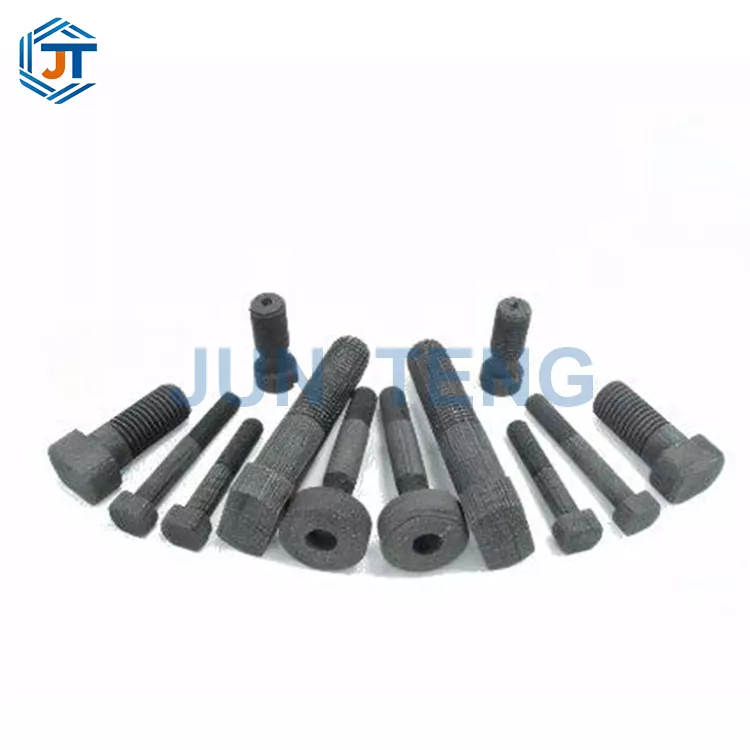
 Why Are Carbon Carbon Studs Becoming the Preferred Fastening Solution for Ultra-High-Temperature Applications
Carbon Carbon Studs are engineered for fastening applications where conventional metal or graphite fasteners struggle with extreme heat, thermal cycling, and contamination control. JUN TENG manufactures carbon-carbon composite studs for photovoltaic furnaces, semiconductor equipment, vacuum heat-treatment systems, and other demanding thermal-field applications, offering precision machining, customized dimensions, and stable performance in inert environments up to 2200°C.
 31 2026-08
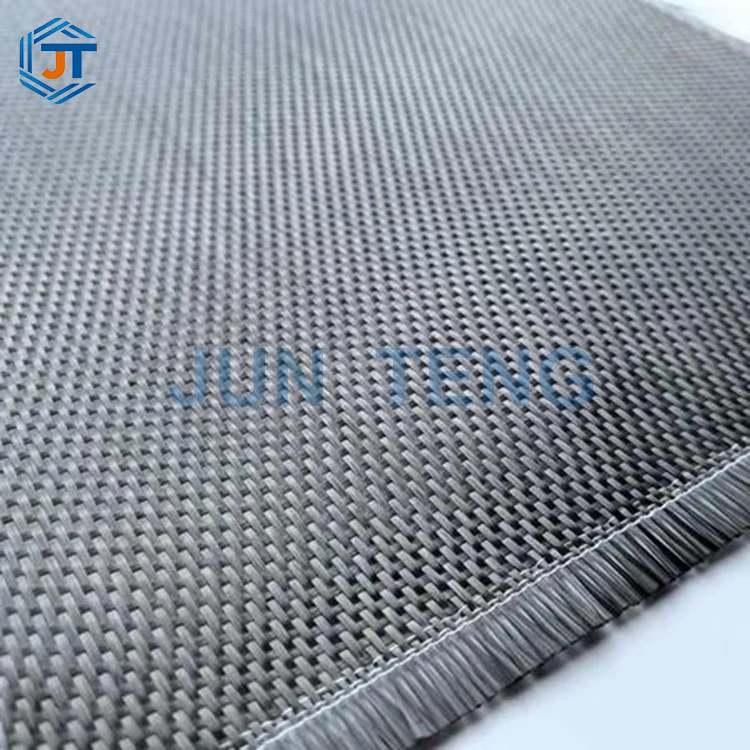
 How Does Jacquard Carbon Fiber Fabric Improve Performance and Design Possibilities?
Jacquard carbon fiber fabric is becoming an advanced material choice for industries that require both outstanding mechanical performance and premium visual appearance. Unlike traditional carbon fiber fabrics with simple weaving structures, jacquard carbon fiber fabric uses customized weaving technology to create unique three-dimensional patterns while maintaining the lightweight, high-strength, and corrosion-resistant advantages of carbon fiber materials.
 27 2026-08
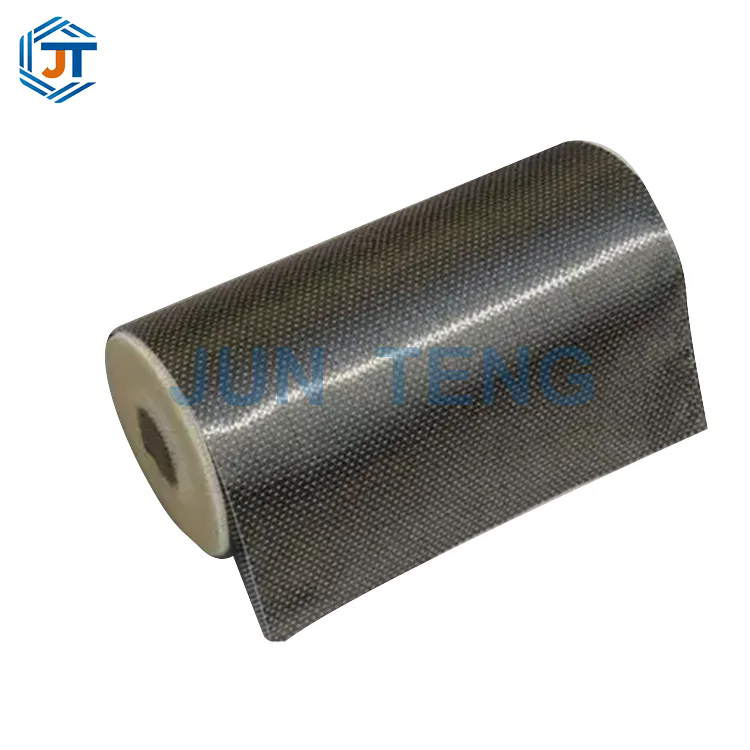
 How Does Unidirectional Carbon Fiber Fabric Improve Composite Performance?
Unidirectional carbon fiber fabric has become an essential reinforcement material for advanced composite applications because it provides exceptional strength, stiffness, lightweight performance, and directional reinforcement capabilities. However, many manufacturers still face challenges such as selecting the right fiber orientation, improving structural reliability, reducing production costs, and achieving consistent composite quality. This article explains how unidirectional carbon fiber fabric works, why it is widely used in aerospace, automotive, sports equipment, marine structures, and industrial applications, and how choosing a reliable supplier like JUNTENG can help customers develop better composite solutions.
 17 2026-08
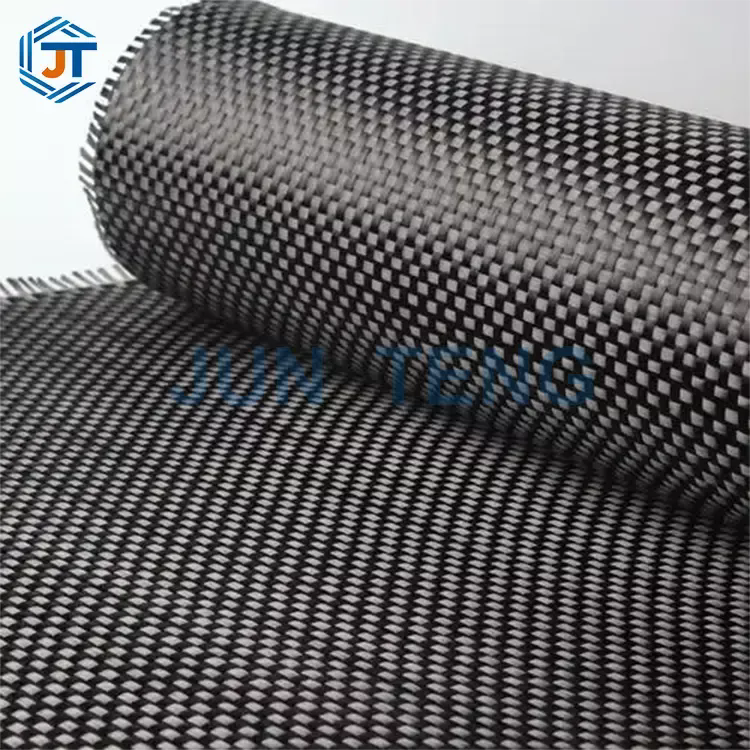
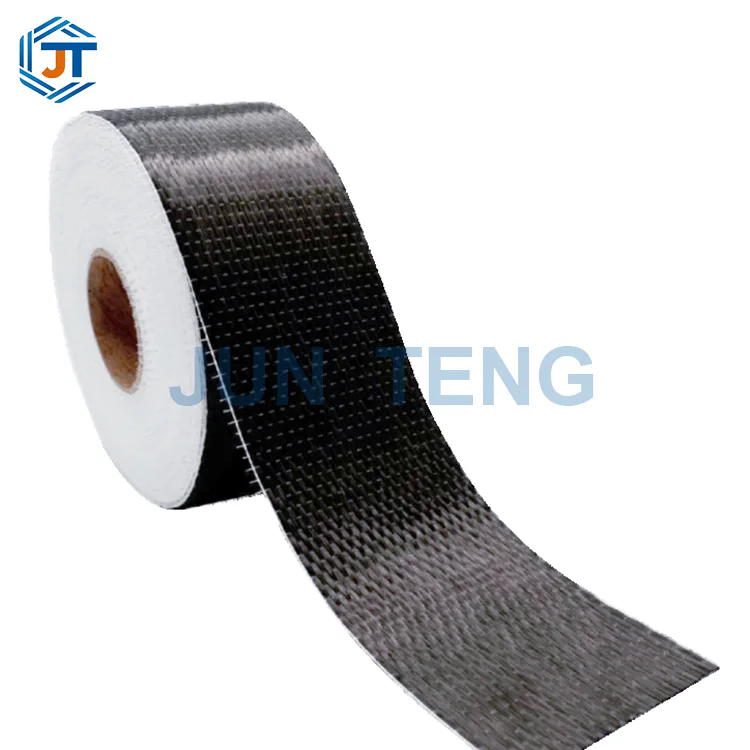
 How Does Bidirectional Twill Carbon Fiber Fabric Improve Composite Material Performance?
Bidirectional Twill Carbon Fiber Fabric has become an essential reinforcement material for industries that require lightweight structures, high strength, and excellent surface quality. From aerospace components and automotive parts to sporting equipment and industrial applications, this advanced carbon fiber fabric helps manufacturers achieve better mechanical performance while reducing overall weight.
 13 2026-08
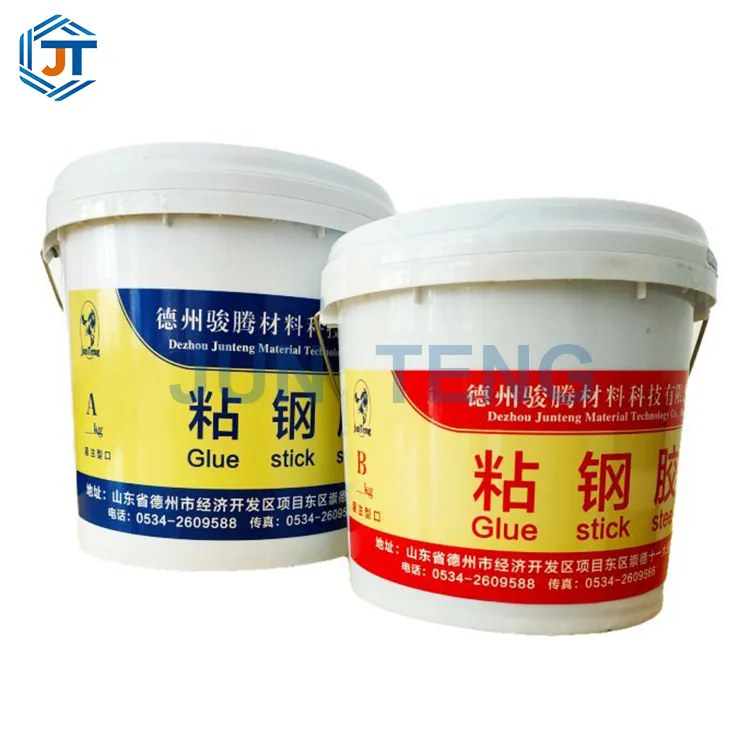
 How Does Carbon Fiber Reinforcement Adhesive Improve Structural Strength and Durability?
Carbon fiber reinforcement adhesive has become an important solution for strengthening concrete structures, industrial components, bridges, buildings, and other engineering applications that require high-performance reinforcement. However, many engineers and project managers still face challenges such as insufficient bonding strength, poor material compatibility, complex construction processes, and long-term durability concerns.
 06 2026-08
 Global Carbon Fiber Composite Industry Sees Dual Growth in Infrastructure Reinforcement & High-Temp Thermal Field Materials
The global carbon fiber composite market maintains a compound annual growth rate of 8.4% from 2026 to 2034, with total market value expected to reach USD 48.22 billion by 2034, according to third-party industrial research institutions. Two core demand tracks dominate the growth curve: civil infrastructure reinforcement materials for aging building renovation, and high-performance carbon-carbon composites serving photovoltaic and semiconductor thermal production lines.