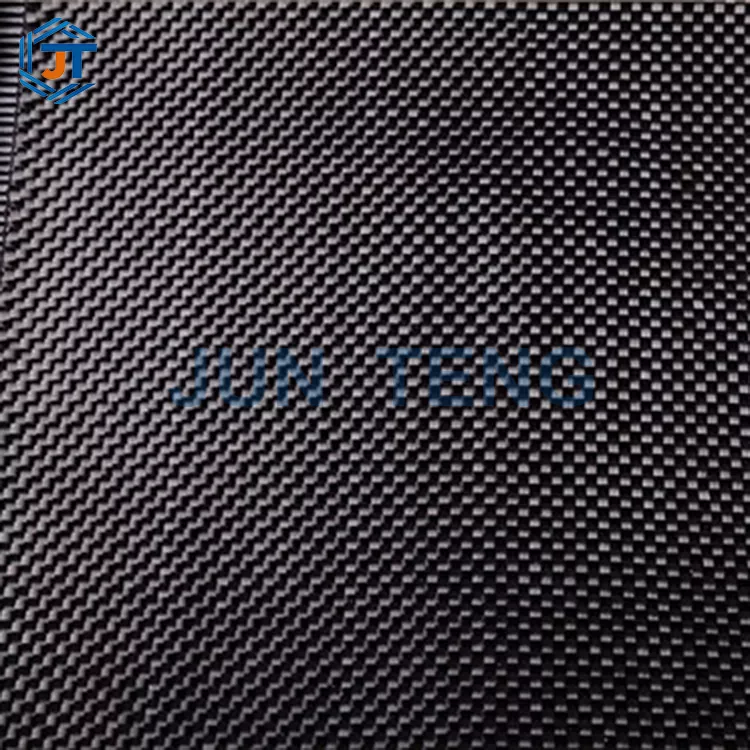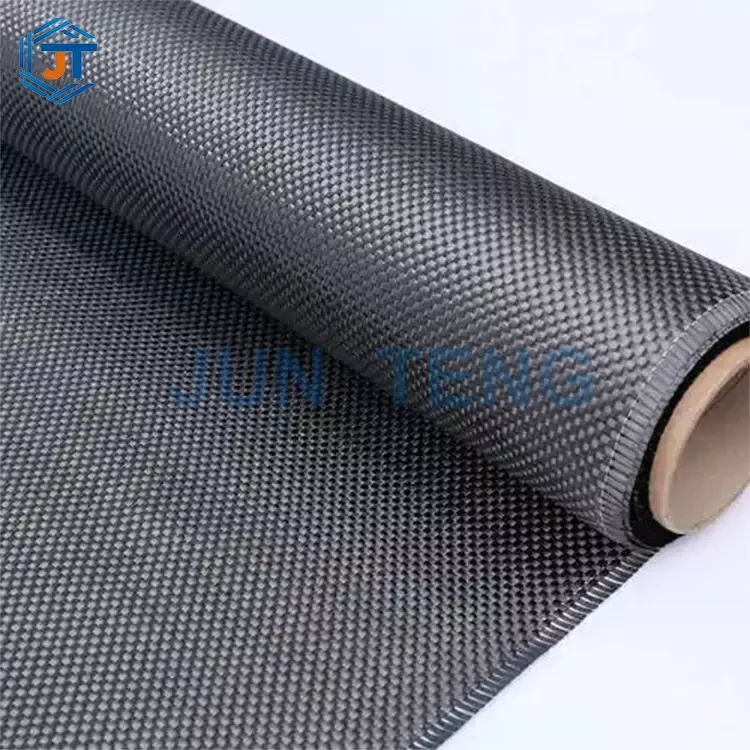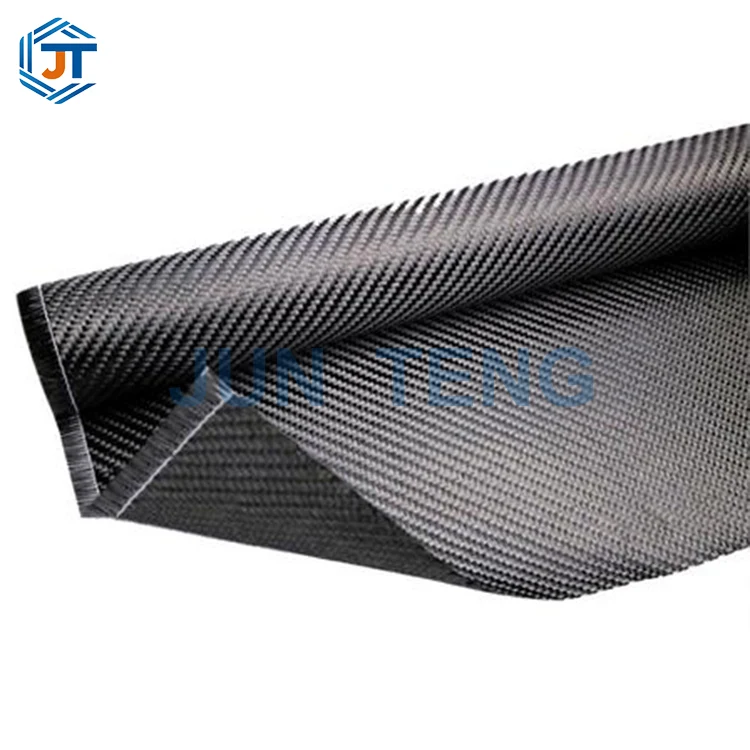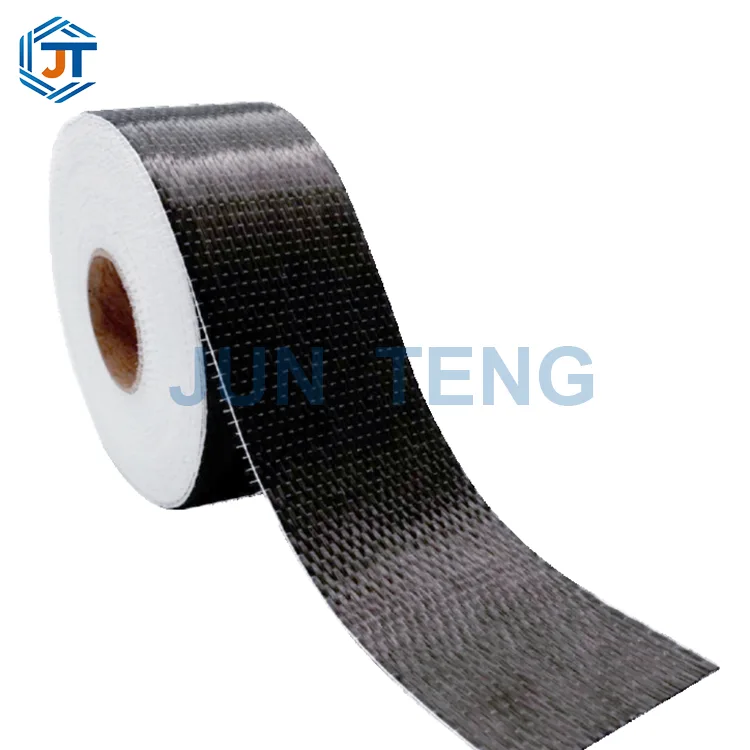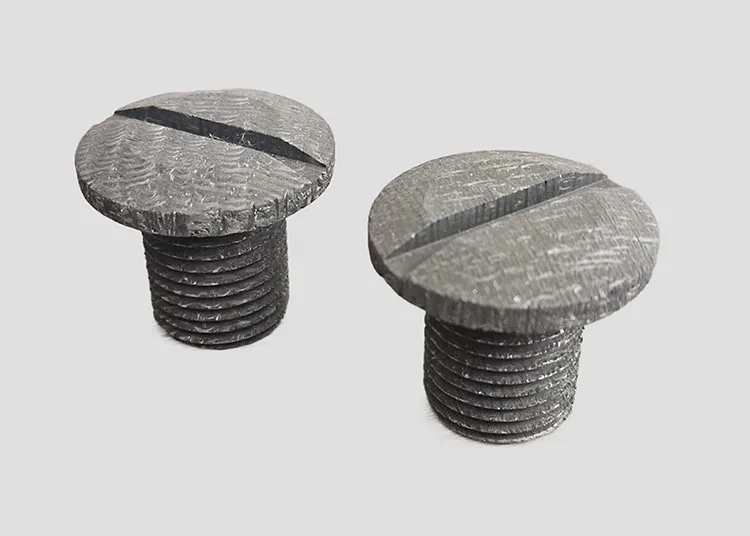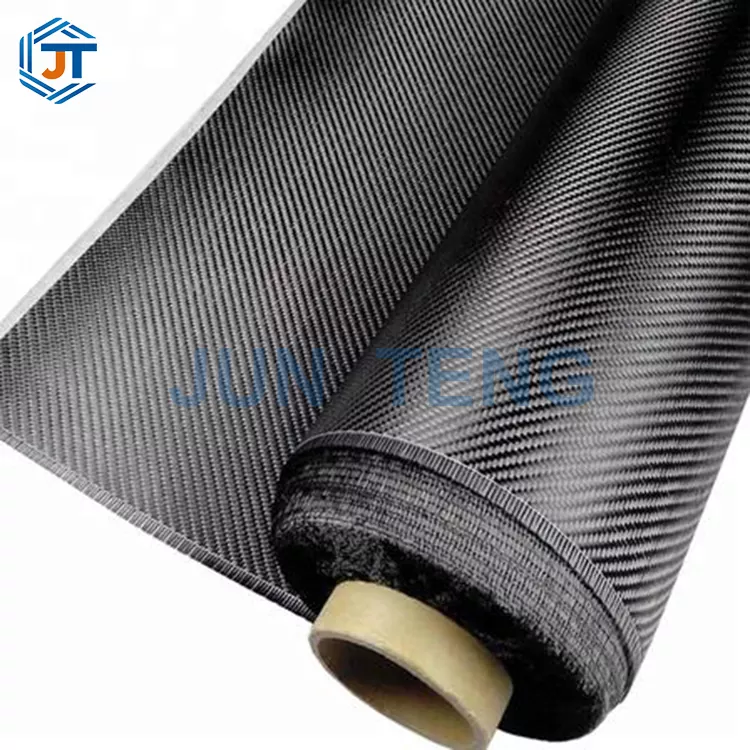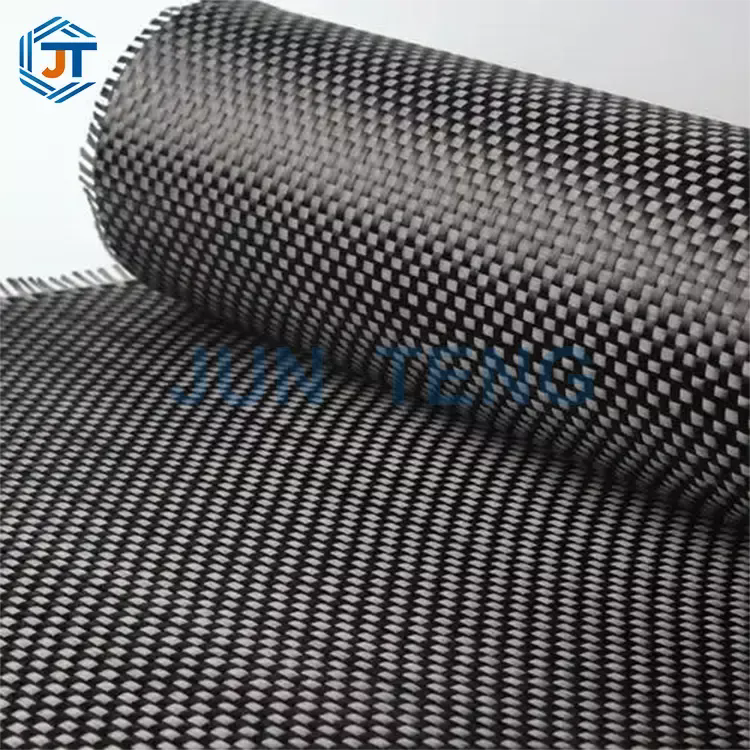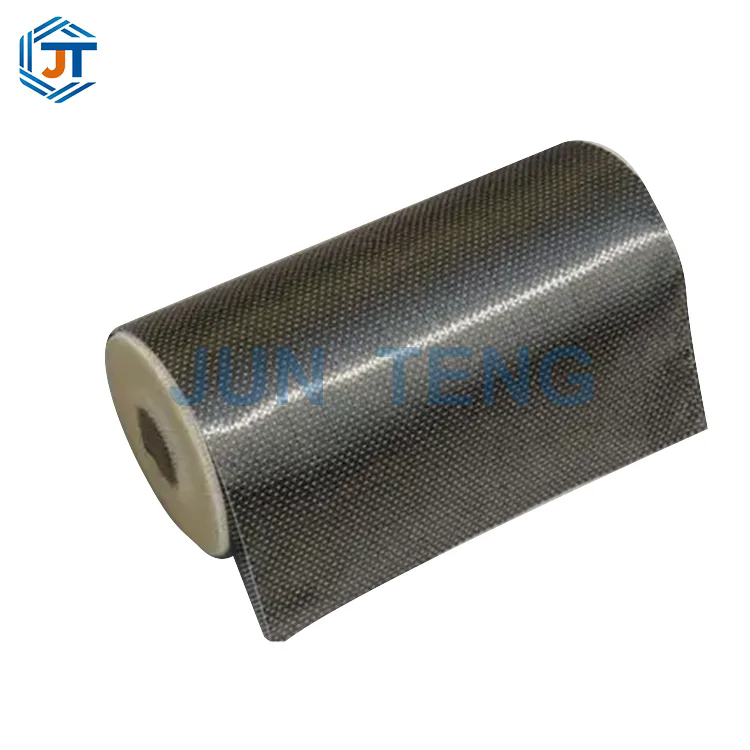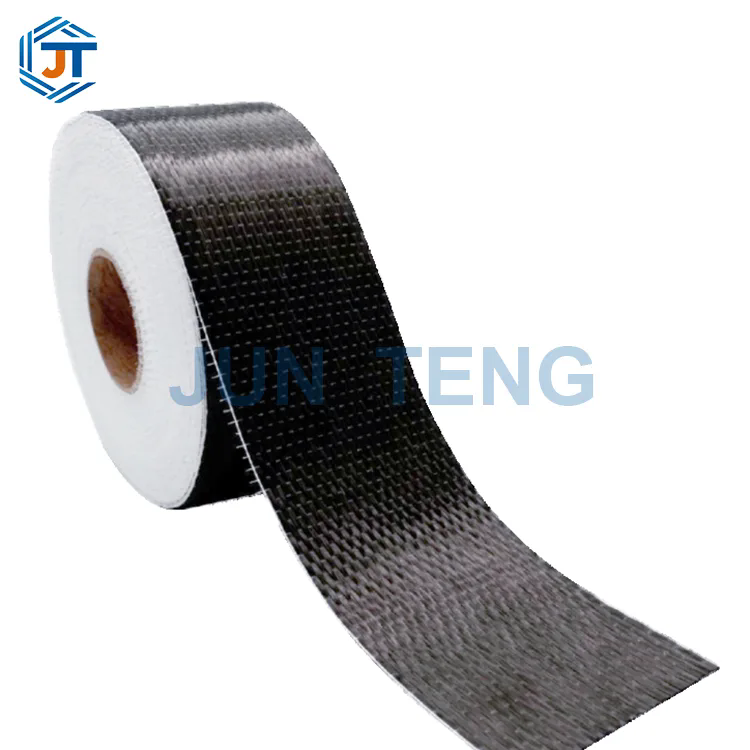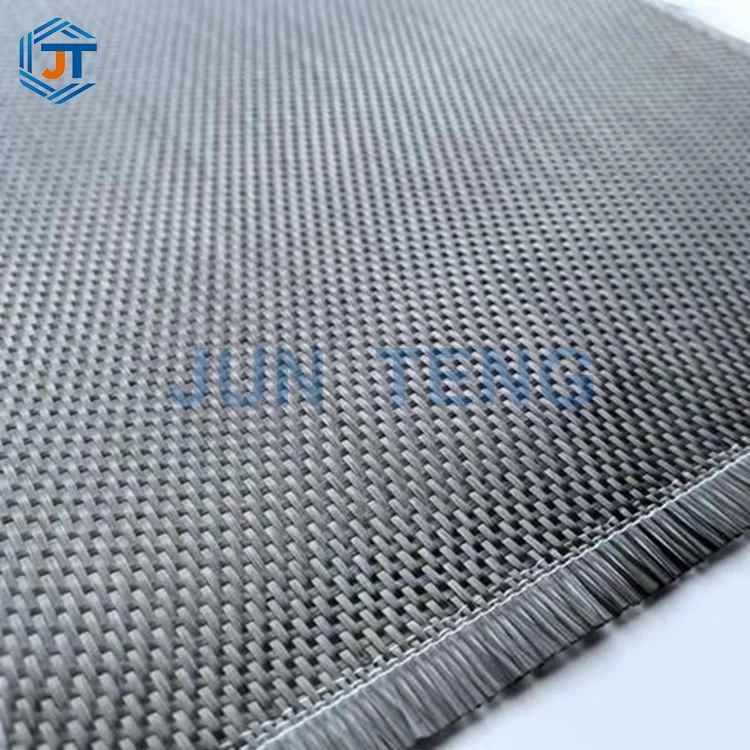

When manufacturers need a lightweight reinforcement material with balanced strength and excellent drapability, JUN TENG provides 200g Twill Carbon Fiber Woven Fabric with a 2×2 twill construction and 200g/m² areal weight. Designed for composite manufacturing, automotive components, drones, sports equipment, molds, and industrial products, this carbon fiber fabric combines practical processing characteristics with the recognizable diagonal carbon pattern.
Carbon fiber fabric selection directly influences the processing efficiency, appearance, weight, and mechanical performance of a finished composite. A 200g/m² 2×2 twill structure offers a useful balance between lightweight reinforcement and surface conformity. Compared with some tighter woven structures, twill fabric can adapt more easily to curved or irregular molds while providing reinforcement in both warp and weft directions. This article explains the specifications, advantages, applications, processing methods, comparison factors, and purchasing considerations of 200g twill carbon fiber fabric.
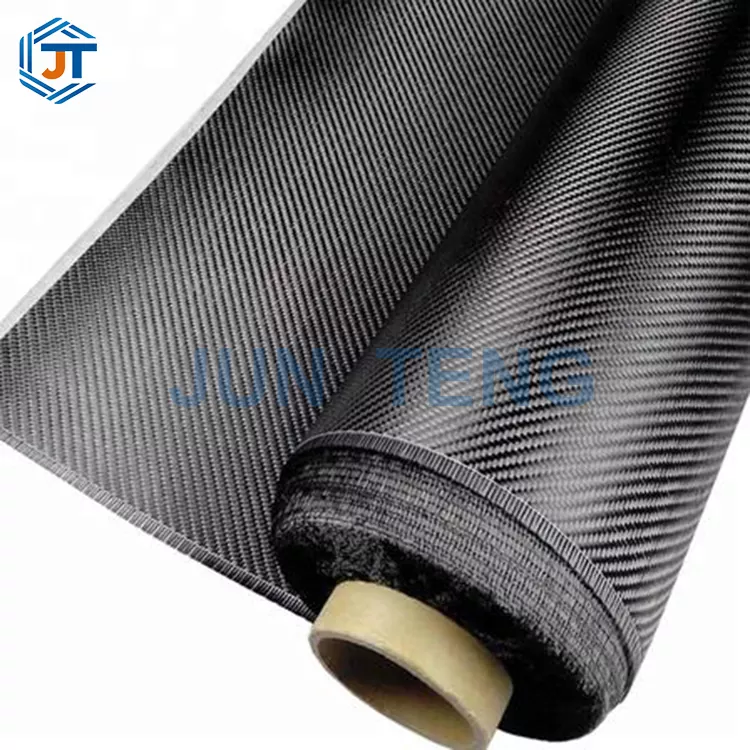
Table of Contents
- What Is 200g Twill Carbon Fiber Woven Fabric?
- What Are the Key Technical Specifications?
- What Are the Main Advantages of 2×2 Twill Construction?
- Where Is 200g Twill Carbon Fiber Fabric Used?
- Which Manufacturing Processes Are Compatible?
- How Does 200g Twill Compare with Other Carbon Fabrics?
- What Should Buyers Check Before Purchasing?
- Frequently Asked Questions
What Is 200g Twill Carbon Fiber Woven Fabric?
200g Twill Carbon Fiber Woven Fabric is a lightweight carbon fiber textile manufactured using a 2×2 twill weaving pattern. The "200g" designation refers to an approximate fabric areal weight of 200 grams per square meter. Unlike unidirectional carbon reinforcement, woven fabric contains fibers running in both warp and weft directions, creating a more balanced reinforcement structure.
The 2×2 twill pattern produces the familiar diagonal appearance associated with many high-quality carbon fiber components. More importantly, its weaving structure provides useful flexibility and drapability during composite lay-up. This makes the fabric particularly suitable for components featuring curves, corners, transitions, or moderately complex geometries.
A typical specification for this material includes approximately 0.22 mm dry thickness, 3K PAN-based carbon fiber construction, and compatibility with common resin systems such as epoxy and vinyl ester. Its combination of low fabric weight and bidirectional reinforcement makes it a practical option for many lightweight composite designs.
What Are the Key Technical Specifications?
Understanding the technical parameters before purchasing carbon fiber fabric helps manufacturers select the appropriate material for their laminate design and production process.
| Parameter | Typical Specification | Application Significance |
|---|---|---|
| Weave Pattern | 2×2 Twill | Provides good drapability and a distinctive diagonal appearance |
| Areal Weight | 200g/m² | Supports lightweight composite construction |
| Dry Thickness | Approx. 0.22 mm | Helps control laminate thickness and material consumption |
| Fiber Type | 3K PAN-Based Carbon Fiber | Suitable for general-purpose carbon fiber composite applications |
| Warp Tensile Strength | ≥3200 MPa | Provides reinforcement along the warp direction |
| Weft Tensile Strength | ≥3200 MPa | Provides reinforcement along the weft direction |
| Elastic Modulus | ≥225 GPa | Contributes to stiffness and dimensional stability |
| Standard Width | 500 mm / 1000 mm | Suitable for a wide range of composite manufacturing applications |
| Compatible Resin | Epoxy / Vinyl Ester | Supports common resin-based composite processes |
These values provide a material reference rather than a guarantee of final composite performance. The finished properties of a carbon fiber component also depend on fiber volume fraction, resin selection, curing conditions, laminate orientation, processing quality, and component geometry.
What Are the Main Advantages of 2×2 Twill Construction?
Excellent Drapability
One of the most important advantages of twill carbon fiber fabric is its ability to conform to curved surfaces. The weave structure allows the textile to move and adapt during lay-up, which can make it easier to cover molds with compound curves or moderate changes in direction.
This characteristic can be particularly useful for:
- Automotive body components
- Motorcycle exterior parts
- Drone shells and frames
- Sports equipment
- Curved equipment housings
- Composite molds and tooling
Balanced Bidirectional Reinforcement
The woven construction places carbon fibers in both warp and weft directions. This makes the material suitable for applications where loads are not concentrated exclusively along one axis. Designers can also combine multiple fabric layers at different orientations to develop a laminate suited to specific loading requirements.
Lightweight Composite Design
With an areal weight of approximately 200g/m², this fabric is well suited to lightweight composite structures. Using a lighter fabric can also provide manufacturers with greater flexibility when determining the number and orientation of reinforcement layers.
Attractive Carbon Fiber Appearance
The 2×2 twill weave produces a consistent diagonal pattern that is widely recognized in premium carbon fiber products. When combined with a suitable resin system and controlled curing process, the finished laminate can deliver both functional reinforcement and an attractive surface appearance.
Flexible Processing Options
The material can be incorporated into several composite manufacturing methods, allowing manufacturers to select a process according to production volume, component complexity, equipment availability, and required surface quality.
Where Is 200g Twill Carbon Fiber Fabric Used?
Automotive Components
Lightweight carbon fiber fabric is frequently used for automotive modification and composite component production. Potential applications include interior trim, mirror covers, aerodynamic components, decorative panels, housings, and other parts where weight reduction and appearance are important.
Motorcycle Components
Motorcycle manufacturers and customization workshops can use twill carbon fiber fabric for covers, fairings, panels, guards, and other molded components. The material's conformability makes it useful for parts with curved surfaces.
Drone and UAV Components
Weight is a critical design consideration in drones and unmanned aerial vehicles. Carbon fiber composites can provide a useful combination of low mass and rigidity for frames, shells, arms, brackets, equipment housings, and structural components when properly engineered.
Sports Equipment
The material can also be incorporated into bicycles, rackets, fishing equipment, skis, protective components, and other sports products. Its lightweight characteristics can help manufacturers develop products where mass, stiffness, and visual quality all matter.
Industrial Products and Molds
Industrial applications may include lightweight brackets, equipment covers, instrument housings, composite molds, tooling surfaces, and custom structural components. The appropriate laminate configuration should always be determined according to the mechanical requirements of the finished product.
Which Manufacturing Processes Are Compatible?
The processing method can significantly affect the quality and performance of a carbon fiber composite. 200g twill fabric can be used with several established manufacturing techniques.
Hand Lay-Up
Hand lay-up is suitable for prototypes, customized products, repair work, and low-volume production. The fabric can be positioned manually over the mold before resin is applied and consolidated.
Vacuum Infusion
Vacuum infusion uses vacuum pressure to help draw resin through the dry reinforcement. It can support more consistent resin distribution and laminate consolidation when the process is properly controlled.
Compression Molding
Compression molding applies controlled pressure to the composite material within a mold. This approach can be suitable for shaped components requiring repeatable dimensions and efficient production.
Prepreg Manufacturing
Carbon fiber fabric can also be combined with a controlled resin system to create prepreg material. This approach allows manufacturers to manage resin content and curing conditions more precisely.
Regardless of the process selected, fabric handling is important. Excessive wrinkles, poor resin distribution, trapped air, contamination, and incorrect fiber orientation can negatively affect the final laminate.
How Does 200g Twill Compare with Other Carbon Fabrics?
Different carbon fiber constructions serve different engineering and manufacturing purposes. The following comparison can help buyers understand where a 200g twill fabric fits within a broader material selection.
| Fabric Type | Fiber Arrangement | Surface Pattern | Drapability | Typical Application Focus |
|---|---|---|---|---|
| 200g 2×2 Twill | Bidirectional | Diagonal | Good | Lightweight molded components and visible carbon surfaces |
| Plain Weave | Bidirectional | Checkerboard | Moderate | General composite reinforcement |
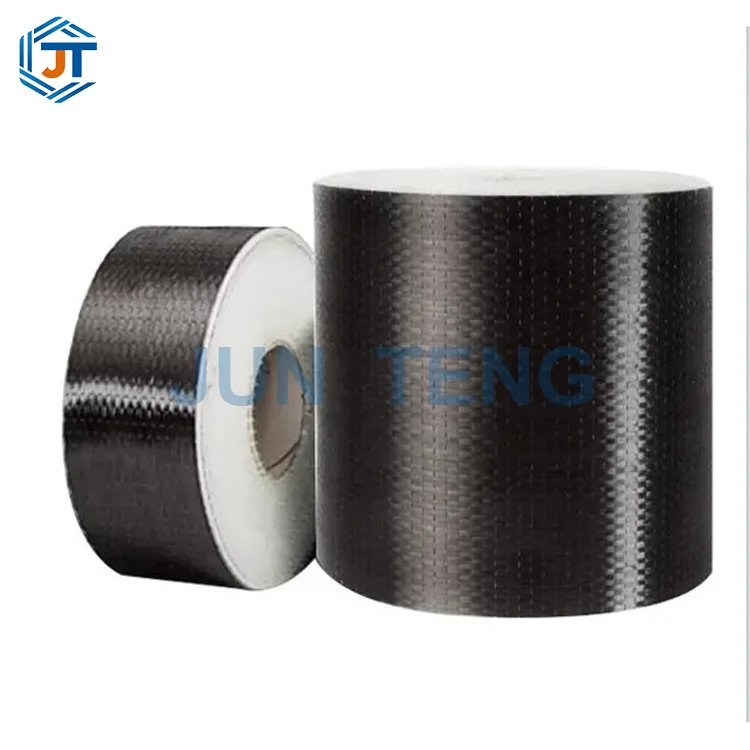
| Unidirectional Carbon | Primarily one direction | Linear | Application dependent | Directional structural reinforcement |
| Heavier Twill | Bidirectional | Diagonal | Generally good | Applications requiring more reinforcement per layer |
There is no single carbon fabric that is suitable for every application. A 200g twill fabric may be appropriate when lightweight reinforcement, surface appearance, and drapability are priorities, while other constructions may be preferred when a design requires highly directional reinforcement or a different laminate thickness.
What Should Buyers Check Before Purchasing?
For composite manufacturers, material consistency is essential for repeatable production. Before purchasing carbon fiber fabric in commercial quantities, buyers should evaluate the following factors:
- Areal weight: Confirm the nominal weight and permitted tolerance.
- Weave consistency: Check whether the twill pattern remains uniform across the roll.
- Fiber quality: Confirm the yarn type, fiber grade, and construction.
- Fabric width: Select a width that minimizes cutting waste and improves production efficiency.
- Mechanical data: Review available tensile strength and modulus information.
- Resin compatibility: Make sure the fabric is suitable for the selected resin system.
- Surface quality: Inspect for broken yarns, contamination, loose fibers, and visible weaving defects.
- Packaging: Ensure the material is properly protected against moisture and contamination during transportation and storage.
- Customization: Discuss special widths, roll lengths, packaging, and other requirements before placing a bulk order.
For professional composite production, requesting samples before mass purchasing can be an effective way to evaluate drapability, resin wet-out, surface appearance, cutting performance, and compatibility with the intended manufacturing process.
Frequently Asked Questions
What does 200g mean in carbon fiber fabric?
The 200g designation generally refers to an areal weight of approximately 200 grams per square meter. It describes the weight of the dry fabric rather than the mechanical strength of the finished composite.
What is the difference between 2×2 twill and plain weave carbon fiber?
A 2×2 twill weave creates a diagonal pattern and generally provides good drapability around curved surfaces. Plain weave produces a more tightly interlaced checkerboard pattern and can provide greater dimensional stability during handling. The best option depends on the geometry and processing requirements of the component.
Is 200g twill carbon fiber suitable for curved parts?
Yes. Its twill construction provides good conformability, making it suitable for many curved and moderately complex surfaces. Proper positioning and consolidation are still necessary to prevent wrinkles and distortion.
Which resin can be used with 200g twill carbon fiber?
Common compatible resin systems include epoxy and vinyl ester. The specific resin should be selected according to the required mechanical properties, curing conditions, temperature resistance, chemical resistance, and production process.
What manufacturing processes can use 200g twill fabric?
Typical processes include hand lay-up, vacuum infusion, compression molding, and prepreg manufacturing. The appropriate process depends on the component design, production volume, equipment, and quality requirements.
What standard widths are available?
Common standard widths include 500 mm and 1000 mm. Depending on the supplier and project requirements, customized slitting or other width options may also be available.
How should carbon fiber woven fabric be stored?
Carbon fiber fabric should be stored in a clean, dry environment and protected from moisture, contamination, direct sunlight, and unnecessary physical damage. Opened rolls should be properly resealed when not in use.
Conclusion
200g Twill Carbon Fiber Woven Fabric provides a practical combination of lightweight construction, bidirectional reinforcement, good drapability, processing flexibility, and an attractive 2×2 diagonal appearance. These characteristics make it suitable for automotive components, motorcycles, drones, sports equipment, molds, industrial housings, and many other composite products. When selecting the material, buyers should consider not only fabric weight but also fiber specifications, weave consistency, resin compatibility, manufacturing method, component geometry, and required final performance. If you are looking for reliable carbon fiber woven fabric, customized widths, samples, or bulk supply solutions, contact us to discuss your project requirements with the JUN TENG team.