
Why Is 200g Twill Carbon Fiber Woven Fabric the Most Versatile Balanced-Performance Carbon Composite Substrate for Modern Lightweight Manufacturing and High-End Design in 2026
Article Abstract: As drone manufacturing, automotive modification, high-end sports equipment, and industrial lightweight component sectors increasingly demand composite materials that perfectly balance outstanding mechanical properties, flexible mold conformability, premium aesthetic texture, and cost-effective mass production scalability, JUN TENG, the industry-leading carbon fiber composite material manufacturer with 18 years of specialized production experience, has launched the widely trusted 200g Twill Carbon Fiber Woven Fabric that eliminates common pain points of ordinary plain weave and unidirectional carbon fiber products. This blog explores the exclusive 2×2 twill weave design, full verified technical parameters, core performance advantages, cross-industry deployment value, and complete quality assurance system of this bidirectional carbon fiber fabric, demonstrating how it drastically reduces composite processing difficulty while delivering perfect mechanical balance and iconic high-end diagonal carbon grain appearance for all types of advanced composite projects.
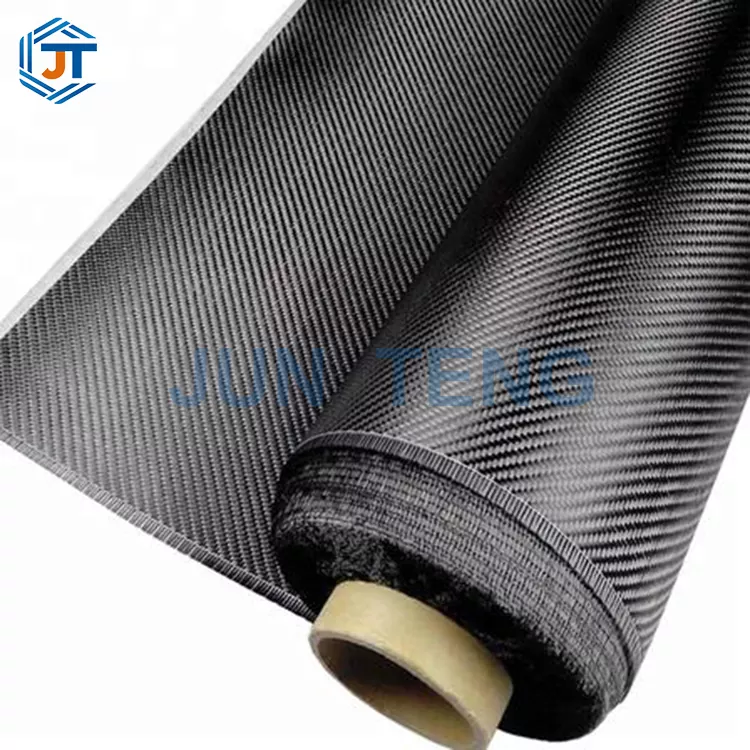
Table of Contents
- 1. What Is the Core 2×2 Twill Weave Architecture of JUN TENG's 200g Twill Carbon Fiber Woven Fabric?
- 2. What Is the Full Verified Technical Parameter Sheet of the 200g Twill Carbon Fiber Woven Fabric?
- 3. What Are the Four Core Competitive Advantages That Make This Twill Fabric Stand Out in the Global Market?
- 4. What Wide Cross-Industry Application Scenarios Can This High-Performance Composite Substrate Perfectly Adapt To?
- 5. Frequently Asked Questions About the 200g Twill Carbon Fiber Woven Fabric
1. What Is the Core 2×2 Twill Weave Architecture of JUN TENG's 200g Twill Carbon Fiber Woven Fabric?
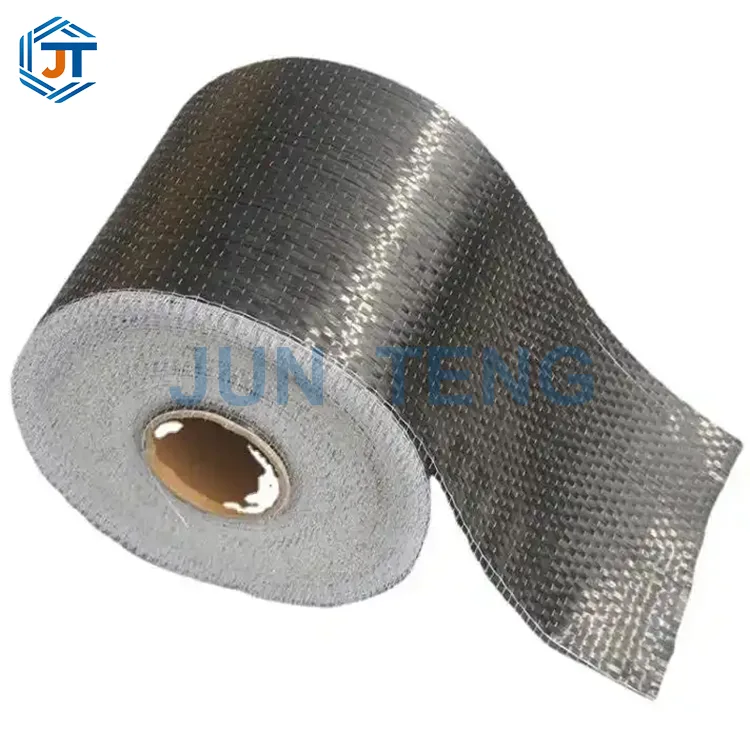
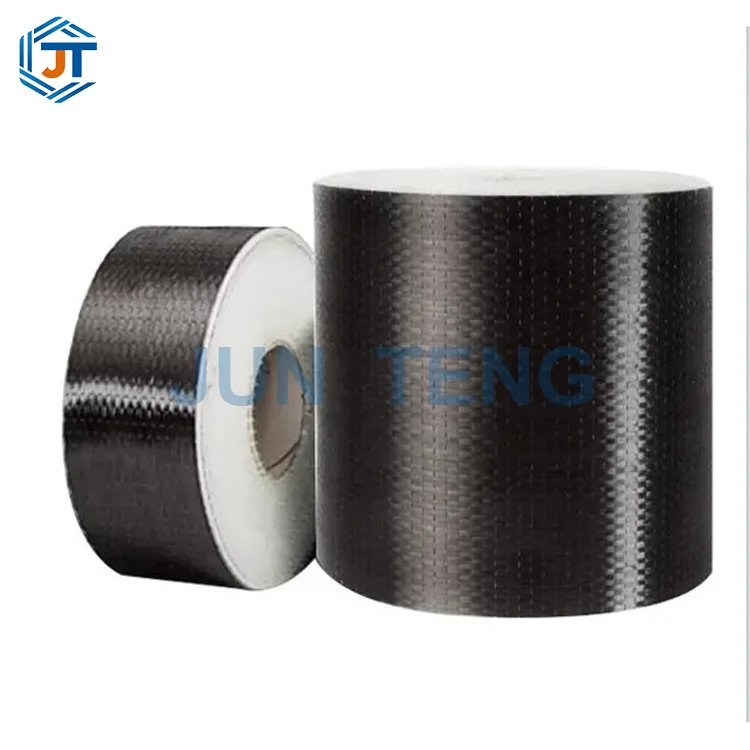
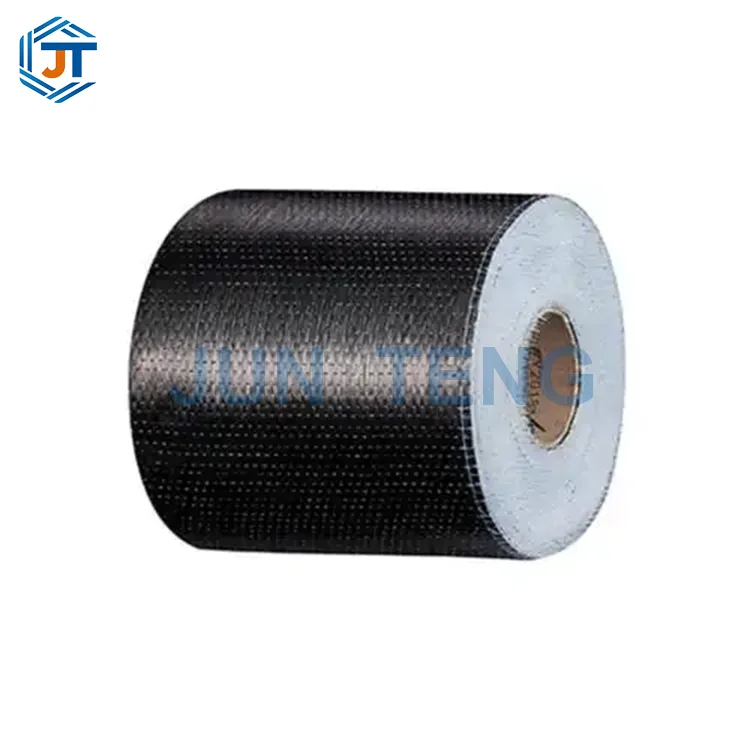
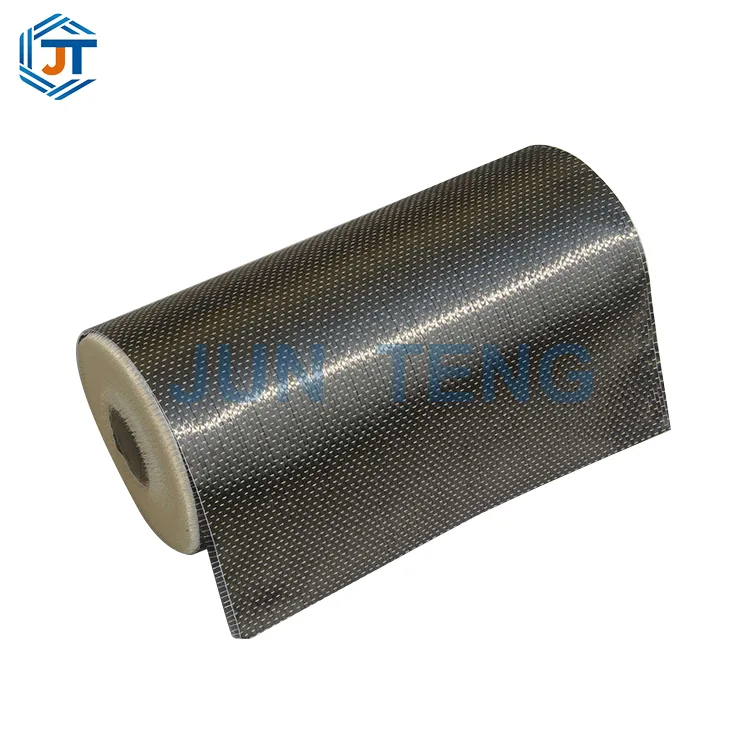
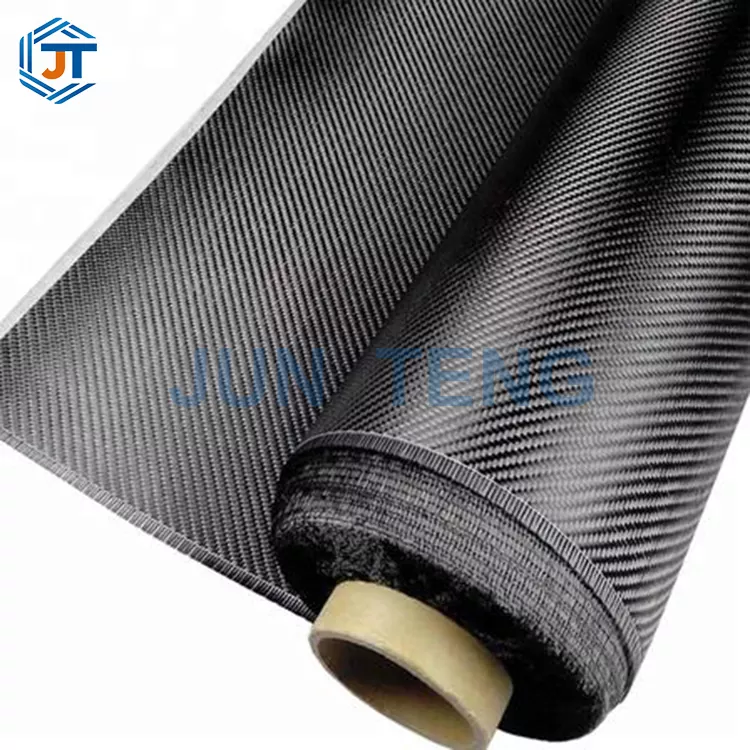
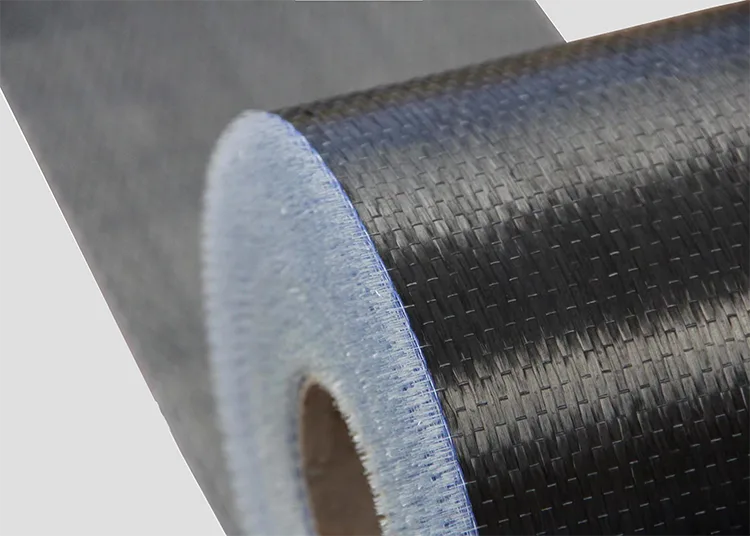
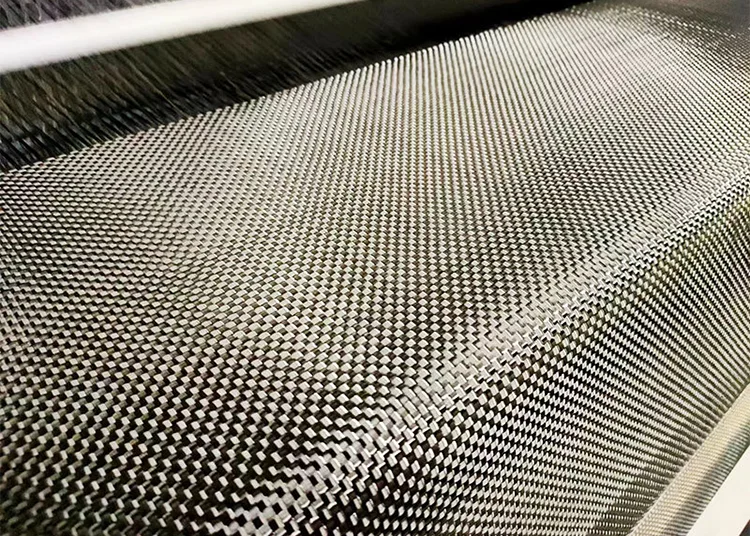
Developed by JUN TENG's 18-year experienced R&D team to fill the market gap for a perfectly balanced all-purpose carbon fiber substrate, the 200g Twill Carbon Fiber Woven Fabric is manufactured using a standardized 2×2 twill weaving structure that features far fewer interweave points than conventional plain weave carbon cloth. This unique design reduces the level of unnecessary fiber crimp and bending across the entire fabric, drastically improving its flexibility and drape performance, allowing it to tightly fit over curved or irregular mold surfaces without creating wrinkles, layering, or hollow defects during the lamination process. The product adopts top-grade T300 PAN-based industrial carbon fiber raw yarn, with a precise 200g/㎡ areal weight and 0.22mm dry fabric thickness that strikes the ideal balance between ultra-light weight and reliable structural integrity. The bidirectional balanced tensile strength exceeds 3200MPa in both warp and weft directions, with elastic modulus higher than 225GPa, while the distinctive continuous diagonal twill texture creates a premium, high-end three-dimensional carbon grain appearance after resin curing that requires zero extra polishing or decorative post-processing work.
This fabric is fully compatible with all mainstream composite processing workflows including hand lay-up, vacuum infusion, compression molding, and prepreg processing, and works seamlessly with epoxy resin and vinyl ester resin systems. JUN TENG operates its own full in-house automated weaving production line, ensuring strict full-process quality control from raw carbon yarn input all the way to final finished roll packaging, eliminating all quality inconsistency problems that are common when sourcing generic twill carbon fabric from third-party trading platforms.
2. What Is the Full Verified Technical Parameter Sheet of the 200g Twill Carbon Fiber Woven Fabric?
Every batch of 200g Twill Carbon Fiber Woven Fabric undergoes triple strict quality testing before leaving the factory, including weight calibration, weaving density screening, and full inspection of broken threads and surface defects. All performance indicators are fully validated by third-party CMA accredited material mechanics testing. The complete official technical parameter table is listed below:
| Test Item | Standard Measured Parameter | Additional Remarks |
|---|---|---|
| Product Name | 200g 3K Bidirectional Twill Carbon Fiber Fabric | Manufactured by JUN TENG |
| Weaving Style | 2×2 Twill Interweave | Stereoscopic texture, superior conformability to curved surfaces |
| Areal Weight | 200g/㎡, tolerance ≤±3g | Precise weight control without yarn shortage |
| Dry Fabric Thickness | 0.22mm | Ultra-thin without adding extra load to finished components |
| Carbon Yarn Specification | 3K PAN-based Carbon Fiber | Industrial high-modulus raw yarn |
| Warp & Weft Density | 5 yarns /10cm, 5 yarns /10cm | Uniform weaving without density deviation |
| Uniaxial Tensile Strength | ≥3200MPa | Balanced bidirectional stress resistance |
| Elastic Modulus | ≥225GPa | High rigidity, excellent anti-deformation performance |
| Applicable Processes | Hand Lay-up / Vacuum Infusion / Compression Molding / Prepreg | Compatible with epoxy resin & vinyl ester resin |
| Standard Stock Widths | 500mm, 1000mm | Other sizes available for custom slitting |
| Storage Shelf Life | 10 years under dry & dark storage | Delivered with moisture-proof sealed packaging |
3. What Are the Four Core Competitive Advantages That Make This Twill Fabric Stand Out in the Global Market?
Compared to generic twill carbon fiber fabrics from other suppliers on the market, JUN TENG's 200g Twill Carbon Fiber Woven Fabric integrates a series of exclusive design and quality control upgrades that deliver measurable tangible value for every composite manufacturer and end user:
- Exclusive Diagonal Molding Performance: The 2/2 diagonal weaving technology creates far fewer carbon fiber interweaving points than plain weave fabric, reducing fiber buckling drastically. This greatly improves flexibility and drape, so the fabric can tightly conform to curved or irregular mold surfaces without wrinkling, layering, or hollowing, drastically cutting down the construction difficulty for manual layering and vacuum infusion operations. The finished product also features a coherent, premium high-end surface texture that requires zero additional polishing or decorative processing.
- Perfect Lightweight and Rigidity Balance: The standard 200g weight and 0.22mm dry cloth thickness creates a weight reduction of 75% compared to steel under the exact same strength conditions. The balanced bidirectional warp and weft forces deliver far better transverse and vertical shear resistance than unidirectional carbon cloth, making it ideal for shell wrapping, decorative reinforcement, and shaped load-bearing components. It also features an extremely low coefficient of thermal expansion, never deforming or cracking even under extreme high and low temperature environments, with excellent acid and alkali resistance, corrosion resistance, and long-term aging resistance.
- Strict Original Factory Quality Control: JUN TENG keeps the weight error of every roll of fabric strictly controlled within ±3g via fully automated weaving processes. Every single roll passes triple quality testing before leaving the factory to eliminate uneven density, jumping threads, and burr defects. The T300 grade industrial carbon fiber raw silk guarantees stable tensile strength and excellent resin infiltration performance, supporting all common composite processing workflows perfectly.
- Ultra-Flexible Supply Mode: The 500mm and 1000mm standard stock widths are always available in large volumes, with in-stock orders placed the same day shipped out within 48 hours. The factory supports custom slitting of any width from 10-150cm, full roll length customization, and prepreg processing matching services. There is no mandatory minimum order threshold, so both small sample trial orders and large bulk foreign trade orders can be accepted, making procurement completely flexible and worry-free for all customers.
It is critical to note that this bidirectional twill fabric cannot replace unidirectional carbon cloth that is specifically designed for building main structure reinforcement. Unidirectional 200g carbon cloth delivers extreme high tensile strength in one single direction for structural beam, column, and bridge reinforcement work, while JUN TENG's 200g Twill Carbon Fiber Woven Fabric is purpose-built for industrial composite molding, lightweight shells, and decorative application scenarios that require balanced two-way performance and premium aesthetic texture.
4. What Wide Cross-Industry Application Scenarios Can This High-Performance Composite Substrate Perfectly Adapt To?
Its excellent balanced performance, premium appearance, and flexible process compatibility make the 200g Twill Carbon Fiber Woven Fabric the preferred bidirectional carbon fiber substrate across a wide range of high-value industrial sectors:
- Intelligent Device and Drone Industry: Ideal for manufacturing crossover drone racks, aerial drone outer shells, gimbal brackets, and lightweight arms, effectively reducing overall product weight while drastically improving the impact resistance of the drone body.
- Car and Motorcycle Modification Sector: Widely used for custom manufacturing of engine hoods, rearview mirror shells, motorcycle cover parts, and interior decorative panels, helping upgrade the lightweight performance of the original vehicle while greatly boosting product premium value via the iconic premium carbon fiber diagonal texture.
- High-End Outdoor Sports Equipment: The perfect substrate for producing premium rackets, high-performance skis, lightweight bicycle frames, fishing rod outer covers, and protective gear shells.
- Molds and Industrial Lightweight Components: Perfect for the surface layer of curved forming molds, robotic arms, lightweight medical device brackets, and precision instrument protective casings.
- High-End Craft Decoration: Very popular for manufacturing carbon fiber art crafts, high-end model shells, premium cultural and creative ornaments, and anti-corrosion decorative surfaces for industrial equipment.
JUN TENG, with 18 years of deep specialization in the carbon fiber composite industry, holds ISO9001 Quality Management System Certification, CMA third-party material mechanics testing report, national high-tech enterprise registration qualification, and full environmental protection and corrosion resistance testing reports. All these complete qualification documents can be provided with the goods to fully meet project bidding requirements and customer factory inspection needs.
5. Frequently Asked Questions About the 200g Twill Carbon Fiber Woven Fabric
Q1: Can this 200g Twill Carbon Fiber Woven Fabric be used for reinforcing the main load-bearing structures of houses and bridges?
A1: It's not possible. The national standard for building load-bearing reinforcement requires the use of unidirectional carbon fiber cloth. The twill fabric with interwoven and bent fibers does not provide sufficient unidirectional tensile strength, and cannot pass the acceptance inspection of engineering supervisors. This product is only suitable for surface decoration and anti-corrosion modification of small components. For structural engineering reinforcement, you can contact customer service to get corresponding 200g unidirectional carbon cloth product recommendations.
Q2: The standard stock widths are not enough for my project, can we customize a 1500mm wide roll? What is the minimum order quantity?
A2: We fully support customization of any full width from 10-150cm, there is no mandatory minimum order quantity. We can accept small quantity orders for only a few meters of slitted fabric as well as hundreds of meters whole roll bulk orders, with a customized delivery time of 3-7 working days.
Q3: What is the correct storage method to keep the carbon cloth from easily deteriorating or pilling?
A3: You should store the fabric in its original sealed moisture-proof plastic bag plus outer cardboard box, placed in a dry and dark warehouse, with environmental humidity controlled within 60%. Avoid direct contact with rainwater and moisture. Use as soon as possible after opening the package, and reseal all remaining fabric properly for subsequent storage.
Q4: Are there price advantages for small batch purchases, and what payment methods do you support for foreign trade orders?
A4: We keep large volumes of spot goods in stock all year round, and provide tiered pricing that benefits both small sample trial orders and large scale foreign trade bulk purchases. For foreign trade orders, we support T/T, L/C, and Western Union payments, and can provide product parameters and customs clearance information in both Chinese and English formats to simplify all import procedures for global purchasers.
Q5: How can I solve the wrinkle problem of twill carbon cloth during the construction lamination process?
A5: The twill fabric already delivers far better curved surface fitting performance than plain weave products. Before laying, fully soak the fabric with resin and spread it evenly at low speed. For workpieces with very large curvature, you can lay the fabric in sections, and use vacuum infusion forming technology to assist the fitting process, which will essentially eliminate all wrinkles and hollow defects.
No matter if you are a composite workshop owner looking to source consistent high-quality twill carbon fabric for mass production, a R&D engineer developing new carbon fiber composite prototypes for drone or automotive modification projects, or a global foreign trade purchaser searching for a stable certified carbon fiber fabric supplier with flexible order terms, do not hesitate to contact us today to get free 1-3㎡ product samples, detailed exclusive quotation, full qualification document packages, and one-on-one professional technical process consulting services from JUN TENG's composite engineer team, we will reply with your tailored solution within 24 hours to perfectly match all your 200g Twill Carbon Fiber Woven Fabric procurement requirements.
Related News
- Is the Carbon Carbon Nut the 2000℃ Zero-Failure Fastener That Solves All Long-Standing High-Temperature Furnace Operational Pain Points for Photovoltaic and Semiconductor Manufacturers
- How Can Carbon Carbon Thermal Insulation Materials Improve High-Temperature Furnace Efficiency
- Why Is 200g Twill Carbon Fiber Woven Fabric an Ideal Choice for Lightweight Composite Applications
- Why Are Carbon Carbon Studs Becoming the Preferred Fastening Solution for Ultra-High-Temperature Applications
- How Does Jacquard Carbon Fiber Fabric Improve Performance and Design Possibilities?
- How Does Unidirectional Carbon Fiber Fabric Improve Composite Performance?
Leave me a message