
How Does Carbon Fiber Reinforcement Adhesive Improve Structural Strength and Durability?
Article Summary
Carbon fiber reinforcement adhesive has become an important solution for strengthening concrete structures, industrial components, bridges, buildings, and other engineering applications that require high-performance reinforcement. However, many engineers and project managers still face challenges such as insufficient bonding strength, poor material compatibility, complex construction processes, and long-term durability concerns.
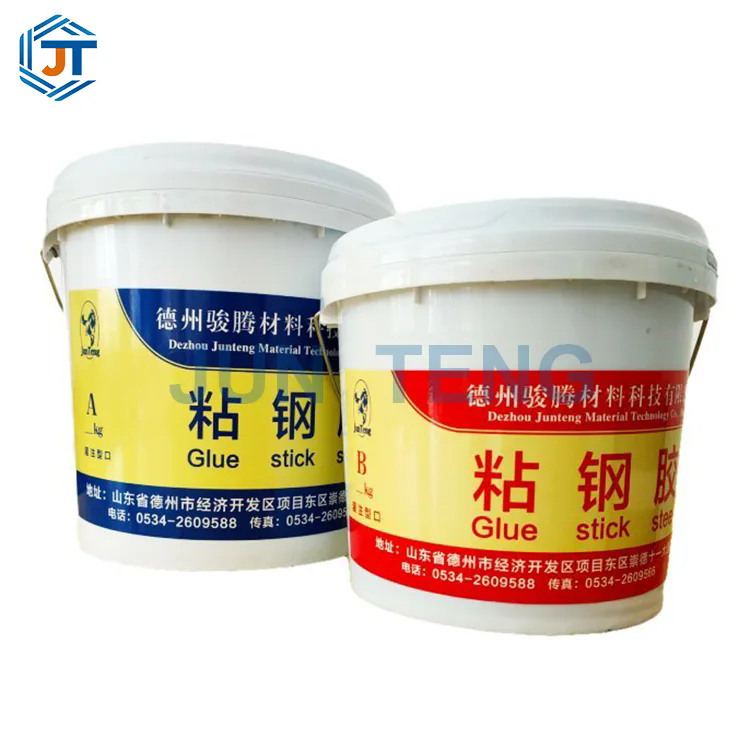
This article explains how Carbon Fiber Reinforcement Adhesive works, why it is essential for carbon fiber reinforcement systems, how to select the right adhesive, and how professional solutions from Jincheng help customers achieve reliable reinforcement performance. By understanding the adhesive mechanism, application process, and key performance factors, users can avoid common reinforcement failures and improve project safety.
Table of Contents
- Why Is Carbon Fiber Reinforcement Adhesive Important?
- How Does Carbon Fiber Reinforcement Adhesive Work?
- What Advantages Does Carbon Fiber Reinforcement Adhesive Provide?
- How to Select the Right Carbon Fiber Reinforcement Adhesive?
- What Are the Main Application Steps?
- Carbon Fiber Reinforcement Adhesive Performance Comparison
- Common Problems and Solutions
- Frequently Asked Questions
Article Outline
- Understanding the role of adhesive in carbon fiber reinforcement systems
- Explaining bonding technology and structural strengthening principles
- Analyzing product benefits for different engineering environments
- Providing practical selection and installation guidance
- Answering common customer concerns before purchasing
Why Is Carbon Fiber Reinforcement Adhesive Important?
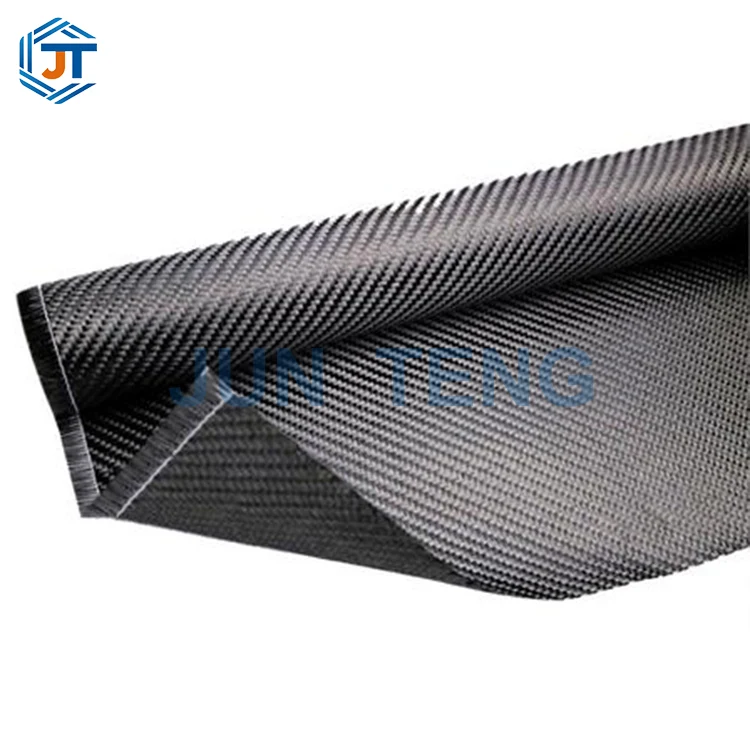
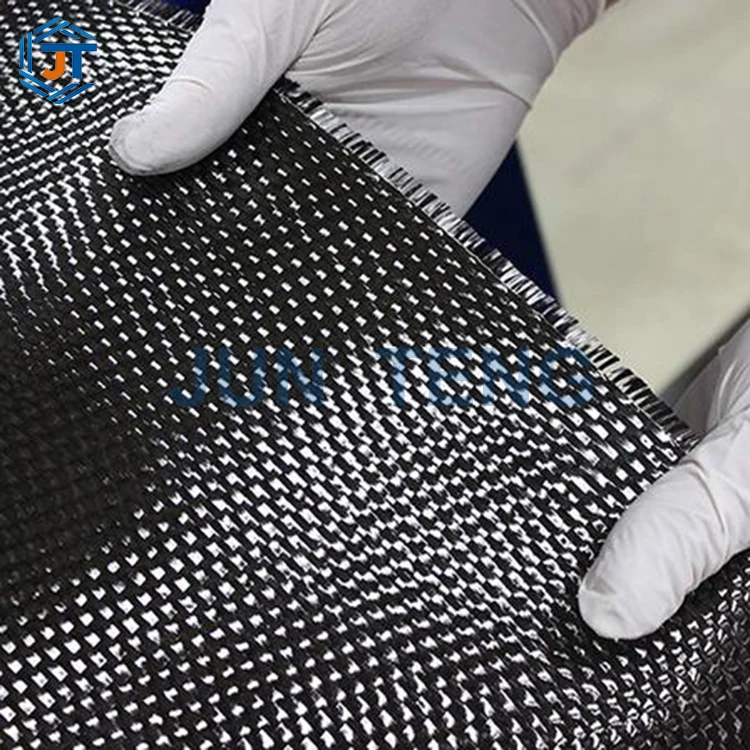
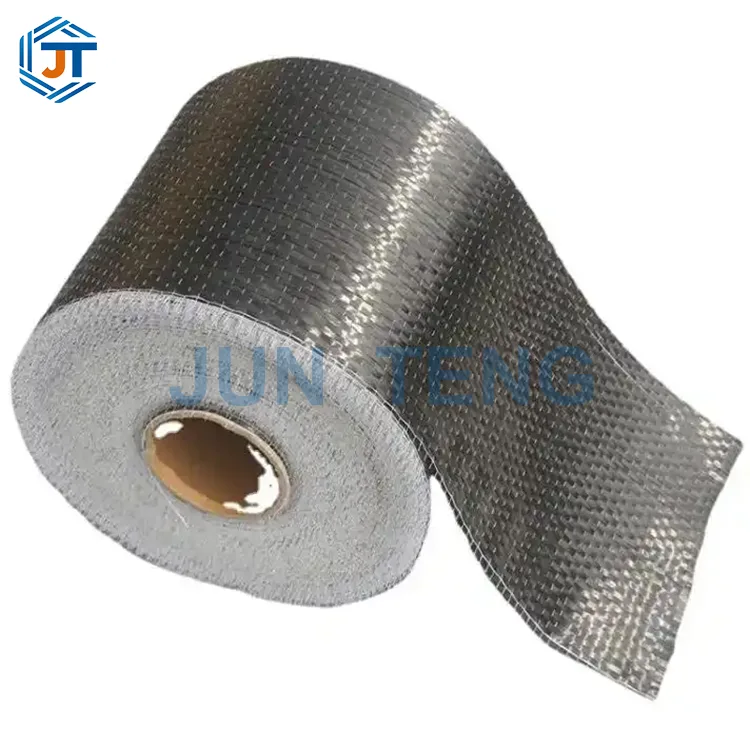
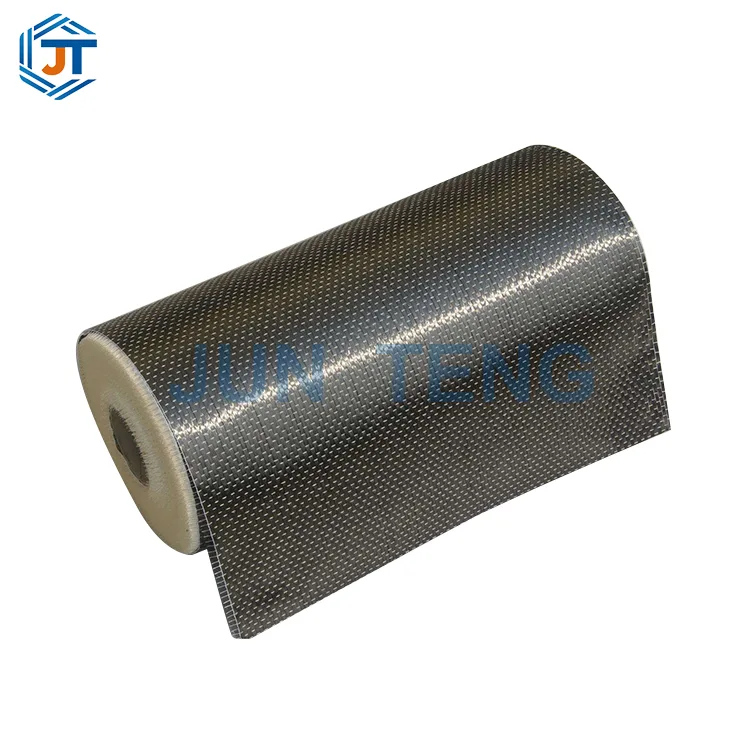
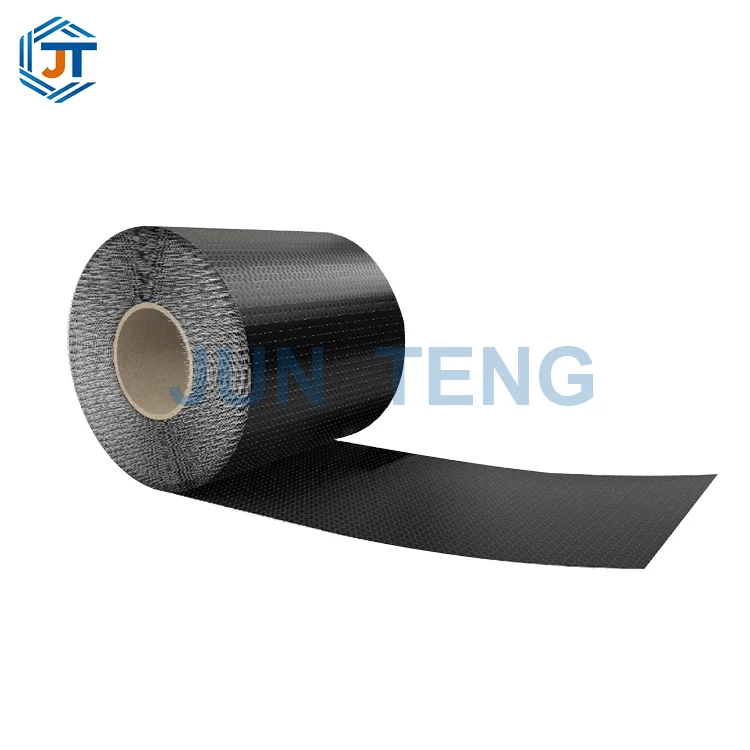
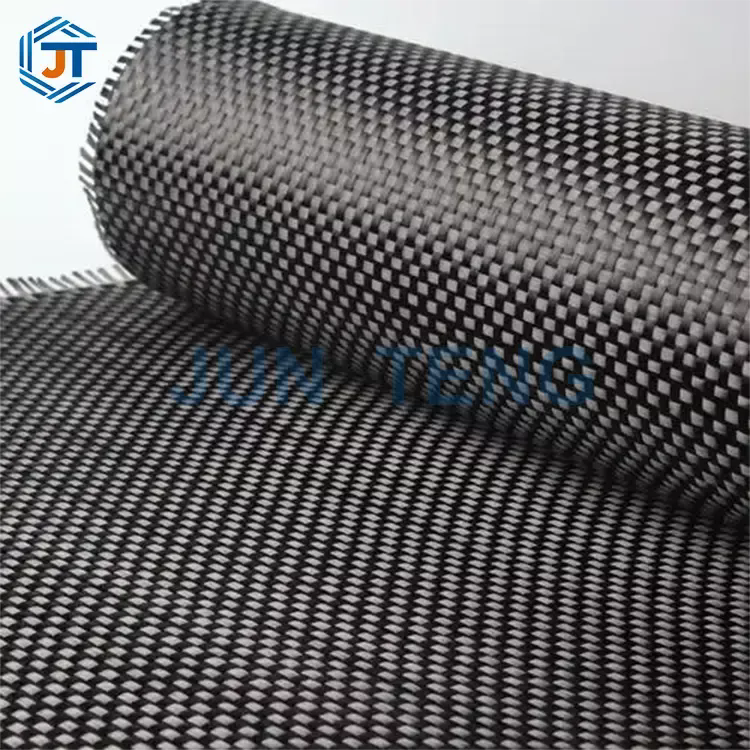
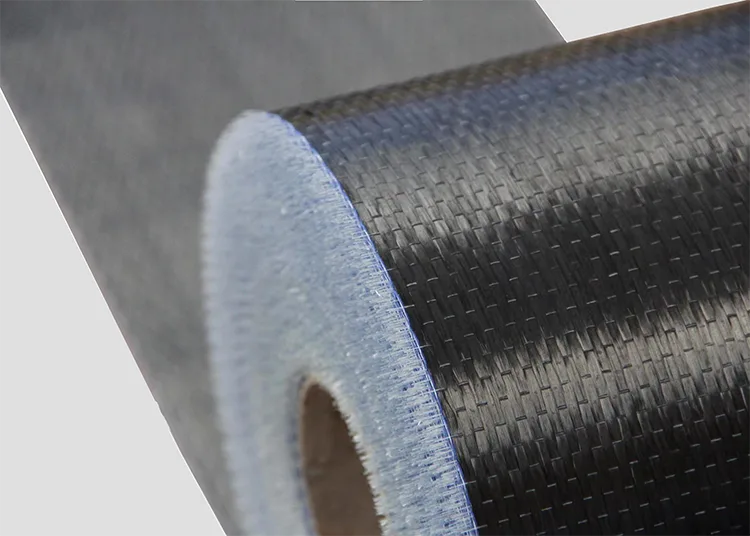
Carbon fiber reinforcement systems are widely used because carbon fiber materials provide excellent tensile strength, lightweight characteristics, and corrosion resistance. However, carbon fiber sheets or fabrics cannot effectively reinforce a structure without a reliable bonding layer. The adhesive acts as the connection medium between the reinforcement material and the existing surface.
A high-quality Carbon Fiber Reinforcement Adhesive ensures that loads can transfer efficiently between the structural substrate and carbon fiber layer. Without proper adhesion, even premium carbon fiber materials may not achieve their expected reinforcement effect.
In practical engineering projects, customers often experience problems such as:
- Carbon fiber sheets peeling from the surface after installation
- Insufficient penetration into concrete pores
- Reduced bonding strength under temperature or humidity changes
- Difficulty during construction due to poor adhesive flow performance
- Short service life caused by aging resistance issues
Therefore, choosing an adhesive specifically designed for carbon fiber reinforcement is essential. The adhesive must combine strong bonding capability, good wettability, chemical resistance, and long-term stability.
Research on carbon fiber composite bonding shows that surface conditions and adhesive properties significantly influence final bonding performance. Proper adhesive selection and surface preparation are critical factors for achieving strong interfaces. :contentReference[oaicite:0]{index=0}
How Does Carbon Fiber Reinforcement Adhesive Work?
Carbon Fiber Reinforcement Adhesive works through a combination of mechanical interlocking and chemical bonding. During application, the adhesive penetrates into small surface irregularities of concrete, metal, or composite substrates. After curing, it forms a strong interface that connects the carbon fiber reinforcement layer with the original structure.
The working process can generally be divided into four stages:
| Stage | Description |
|---|---|
| Surface Preparation | The substrate surface is cleaned, repaired, and prepared to improve bonding conditions. |
| Adhesive Application | The reinforcement adhesive is evenly applied to ensure complete contact between materials. |
| Carbon Fiber Installation | The carbon fiber sheet or fabric is placed and impregnated with adhesive. |
| Curing Process | The adhesive hardens and creates a durable reinforced structure. |
During curing, the adhesive develops its mechanical properties and forms a stable composite system. The reinforcement performance depends not only on carbon fiber strength but also on the quality of the adhesive interface.
Jincheng develops carbon fiber reinforcement adhesive solutions designed to provide strong bonding, excellent penetration, and reliable construction performance for different reinforcement requirements.
What Advantages Does Carbon Fiber Reinforcement Adhesive Provide?
Selecting the correct adhesive can significantly improve reinforcement efficiency. Compared with traditional strengthening methods, carbon fiber reinforcement systems offer several advantages when combined with professional adhesive technology.
| Performance Feature | Customer Benefit |
|---|---|
| High Bonding Strength | Creates a secure connection between carbon fiber materials and structural surfaces. |
| Excellent Penetration | Allows adhesive to enter surface pores and improve interface stability. |
| Good Compatibility | Works effectively with carbon fiber fabrics and various reinforcement substrates. |
| Durability Resistance | Maintains performance against moisture, chemicals, and environmental changes. |
| Convenient Construction | Supports efficient installation and reduces project complexity. |
A suitable adhesive also helps reduce maintenance requirements because it protects the reinforcement system from premature failure. For infrastructure repair, industrial reinforcement, and structural upgrading projects, long-term reliability is often more important than initial installation cost.
How to Select the Right Carbon Fiber Reinforcement Adhesive?
Choosing the correct Carbon Fiber Reinforcement Adhesive requires consideration of project conditions, substrate type, environmental factors, and construction requirements.
- Check bonding strength: The adhesive should provide sufficient mechanical strength for the expected structural load.
- Evaluate viscosity: Proper viscosity allows easier spreading and better penetration into surface structures.
- Consider environmental resistance: Outdoor applications require resistance against water, temperature changes, and chemical exposure.
- Confirm compatibility: The adhesive should match carbon fiber reinforcement materials to achieve stable performance.
- Review curing characteristics: Construction schedules depend on curing speed and working time.
Professional manufacturers such as Jincheng focus on developing reinforcement adhesive products that balance strength, durability, and practical installation needs.
What Are the Main Application Steps of Carbon Fiber Reinforcement Adhesive?
Proper installation is essential to achieve the expected reinforcement performance of Carbon Fiber Reinforcement Adhesive. Even high-performance adhesive materials require correct preparation and application methods. A professional construction process helps prevent bonding failures and ensures long-term structural stability.
The typical application process includes the following steps:
| Application Step | Key Requirements |
|---|---|
| 1. Surface Inspection | Inspect the concrete, steel, or other substrate to identify cracks, contamination, moisture problems, or weak areas. |
| 2. Surface Treatment | Remove dust, oil, loose materials, and damaged layers to create a clean bonding surface. |
| 3. Adhesive Mixing | Mix components according to recommended proportions to achieve consistent curing performance. |
| 4. Adhesive Application | Apply the adhesive evenly to ensure complete contact between the reinforcement material and substrate. |
| 5. Carbon Fiber Installation | Place the carbon fiber fabric or sheet carefully and remove air bubbles or uneven areas. |
| 6. Final Inspection | Check bonding quality and confirm that the reinforcement system meets project requirements. |
Many reinforcement failures are not caused by the carbon fiber material itself but by improper surface preparation or unsuitable adhesive selection. Therefore, professional guidance and reliable adhesive products are important for successful projects.
Jincheng provides Carbon Fiber Reinforcement Adhesive solutions designed for engineering applications where strong adhesion, stable curing, and long-term durability are required.
Carbon Fiber Reinforcement Adhesive Performance Comparison
Different reinforcement adhesives may vary significantly in bonding ability, durability, and application performance. Understanding these differences helps customers choose a more suitable solution.
| Comparison Factor | Standard Adhesive | Professional Carbon Fiber Reinforcement Adhesive |
|---|---|---|
| Bonding Performance | May provide basic adhesion but limited structural reinforcement capability. | Designed for high-strength bonding between carbon fiber materials and substrates. |
| Environmental Resistance | Performance may decrease under moisture or temperature changes. | Maintains stable properties in demanding environments. |
| Construction Experience | May require additional adjustments during installation. | Designed for smoother application and reliable curing. |
| Service Life | May experience aging problems over time. | Provides long-term reinforcement stability. |
| Engineering Reliability | Suitable for general bonding applications. | Suitable for structural strengthening projects requiring dependable performance. |
For projects involving bridges, buildings, industrial facilities, tunnels, and infrastructure repair, adhesive quality directly influences the overall reinforcement effect. Selecting a professional product helps reduce risks and improve project confidence.
What Common Problems Can Carbon Fiber Reinforcement Adhesive Solve?
Customers usually choose carbon fiber reinforcement systems because traditional repair methods may not meet modern engineering requirements. Carbon Fiber Reinforcement Adhesive addresses several common structural reinforcement challenges.
-
Problem: Limited reinforcement space
Solution: Carbon fiber reinforcement systems require minimal installation thickness compared with traditional strengthening methods. -
Problem: Heavy reinforcement materials increase structural load
Solution: Carbon fiber materials combined with lightweight adhesive systems provide high reinforcement efficiency without adding excessive weight. -
Problem: Difficult maintenance in complex environments
Solution: Durable adhesive technology helps improve resistance against environmental impacts. -
Problem: Construction time limitations
Solution: Properly designed adhesive systems support faster installation compared with many conventional reinforcement approaches. -
Problem: Weak connection between reinforcement material and structure
Solution: High-performance adhesive creates a stable interface for efficient load transfer.
These advantages make carbon fiber reinforcement adhesive an effective option for engineers looking for reliable structural improvement without major reconstruction.
Important Factors That Affect Adhesive Performance
The performance of Carbon Fiber Reinforcement Adhesive depends on several external and internal factors. Understanding these factors allows customers to achieve better reinforcement results.
| Factor | Impact on Performance |
|---|---|
| Surface Condition | A clean and stable substrate improves bonding effectiveness. |
| Mixing Accuracy | Correct component ratios ensure proper chemical curing. |
| Construction Temperature | Temperature conditions influence curing speed and final strength. |
| Material Compatibility | Compatible materials create a stronger reinforcement system. |
| Application Technique | Professional installation prevents voids and bonding defects. |
For this reason, customers should evaluate not only the adhesive product itself but also supplier experience, technical support, and quality control capability.
Why Choose Jincheng for Carbon Fiber Reinforcement Adhesive Solutions?
Selecting a reliable manufacturer is an important step for achieving consistent reinforcement results. Jincheng focuses on providing professional carbon fiber reinforcement adhesive products that meet the practical needs of engineering projects.
With attention to material performance, production quality, and application requirements, Jincheng develops adhesive solutions that help customers improve structural safety and project reliability.
The advantages of working with an experienced supplier include:
- Stable product quality for different reinforcement applications
- Professional understanding of carbon fiber strengthening systems
- Solutions designed for durability and long-term performance
- Support for different project requirements and application environments
- Focus on customer needs from product selection to practical use
Whether used for structural repair, industrial reinforcement, or infrastructure improvement, choosing the right adhesive partner can significantly influence project success.
Frequently Asked Questions About Carbon Fiber Reinforcement Adhesive
Q1: What is Carbon Fiber Reinforcement Adhesive used for?
Carbon Fiber Reinforcement Adhesive is mainly used to bond carbon fiber reinforcement materials to concrete, steel, and other structural surfaces. It creates a strong connection that allows carbon fiber materials to improve structural performance.
Q2: Why cannot ordinary adhesive replace carbon fiber reinforcement adhesive?
Ordinary adhesives may not provide sufficient bonding strength, durability, or compatibility required for structural reinforcement applications. Professional reinforcement adhesive products are designed specifically for load transfer and long-term stability.
Q3: How long does Carbon Fiber Reinforcement Adhesive need to cure?
The curing time depends on product formulation, temperature, humidity, and project conditions. Users should follow manufacturer recommendations to achieve the best performance.
Q4: Can carbon fiber reinforcement adhesive be used outdoors?
Many professional carbon fiber reinforcement adhesives are designed with environmental resistance properties, allowing use in demanding conditions. The specific application should be evaluated according to project requirements.
Q5: How can customers ensure successful reinforcement results?
Successful reinforcement depends on selecting suitable materials, preparing the surface correctly, following proper installation procedures, and working with an experienced supplier such as Jincheng.
Conclusion
Carbon Fiber Reinforcement Adhesive plays a critical role in modern structural strengthening systems. It is not simply a bonding material but an important component that determines how effectively carbon fiber reinforcement transfers loads and improves durability.
By selecting a high-quality adhesive, following correct installation procedures, and cooperating with an experienced manufacturer, customers can reduce reinforcement risks and achieve more reliable engineering results.
Jincheng continues to focus on providing dependable carbon fiber reinforcement adhesive solutions that support various industrial and construction applications. If you need professional reinforcement materials with stable performance and technical support, please contact us today for customized solutions.
Looking for reliable Carbon Fiber Reinforcement Adhesive solutions for your next project? Jincheng is ready to provide professional products and customized support. Contact us today to discuss your requirements and find the right reinforcement solution for your application.
Related News
- Why Are Carbon Carbon Studs Becoming the Preferred Fastening Solution for Ultra-High-Temperature Applications
- How Does Jacquard Carbon Fiber Fabric Improve Performance and Design Possibilities?
- How Does Unidirectional Carbon Fiber Fabric Improve Composite Performance?
- How Does Bidirectional Twill Carbon Fiber Fabric Improve Composite Material Performance?
- Global Carbon Fiber Composite Industry Sees Dual Growth in Infrastructure Reinforcement & High-Temp Thermal Field Materials
- Which Carbon-Carbon Supplier Offers One-Stop Custom Parts for PV and Semiconductor Furnaces?
Leave me a message