
How Does Bidirectional Twill Carbon Fiber Fabric Improve Composite Material Performance?
Article Summary
Bidirectional Twill Carbon Fiber Fabric has become an essential reinforcement material for industries that require lightweight structures, high strength, and excellent surface quality. From aerospace components and automotive parts to sporting equipment and industrial applications, this advanced carbon fiber fabric helps manufacturers achieve better mechanical performance while reducing overall weight.
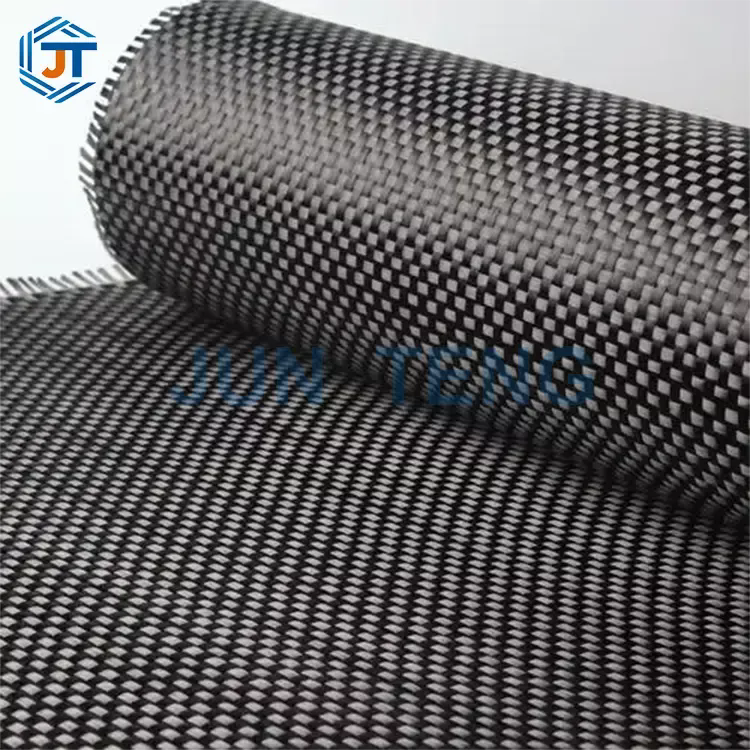
This article explains how Bidirectional Twill Carbon Fiber Fabric works, why it is preferred over traditional reinforcement materials, what challenges it solves for engineers and manufacturers, and how JUN TENG provides reliable carbon fiber fabric solutions for different application requirements.
Table of Contents
- 1. What Is Bidirectional Twill Carbon Fiber Fabric?
- 2. Why Does Bidirectional Twill Carbon Fiber Fabric Matter in Modern Manufacturing?
- 3. How Does Bidirectional Twill Weaving Improve Material Performance?
- 4. What Problems Can Bidirectional Twill Carbon Fiber Fabric Solve?
- 5. Key Advantages of JUN TENG Bidirectional Twill Carbon Fiber Fabric
- 6. Applications of Bidirectional Twill Carbon Fiber Fabric
- 7. How to Choose the Right Carbon Fiber Fabric?
- 8. Frequently Asked Questions
Article Outline
- Understanding the structure and characteristics of Bidirectional Twill Carbon Fiber Fabric
- Exploring how twill weaving improves strength and flexibility
- Analyzing industrial challenges solved by carbon fiber reinforcement
- Reviewing product advantages and application fields
- Learning how to select suitable carbon fiber fabric solutions
What Is Bidirectional Twill Carbon Fiber Fabric?
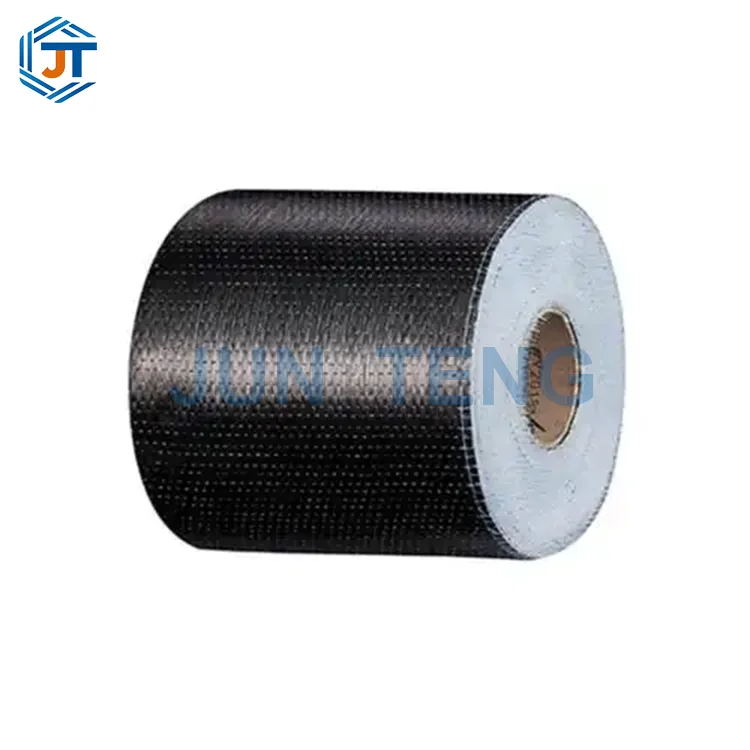
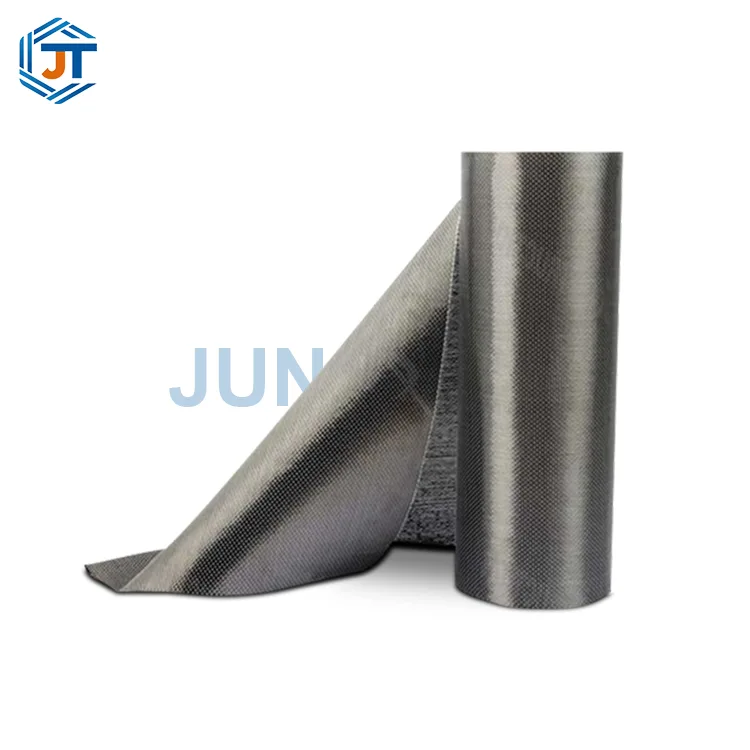
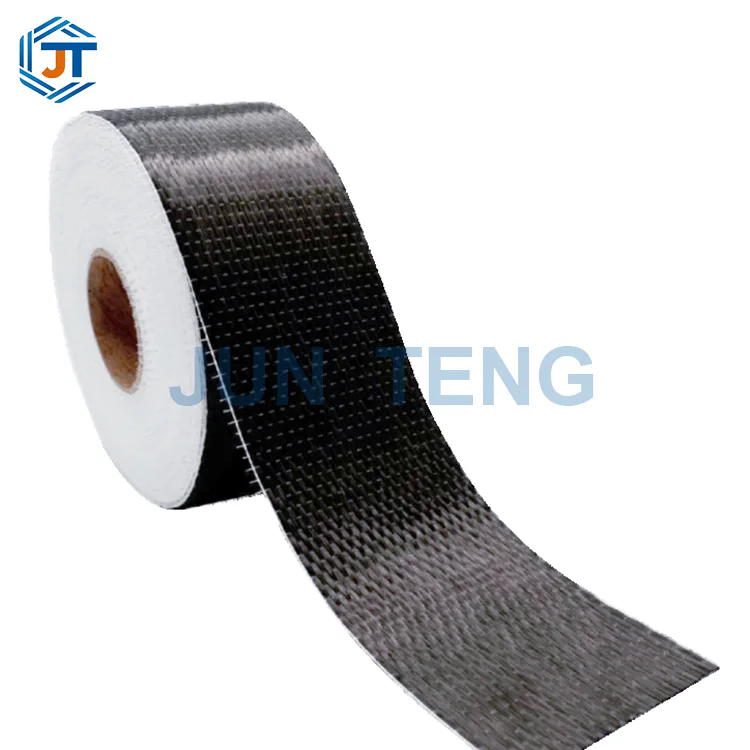
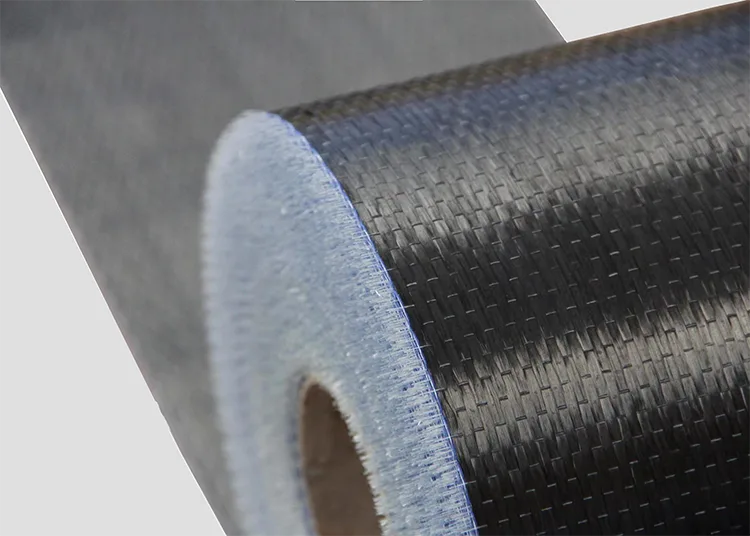
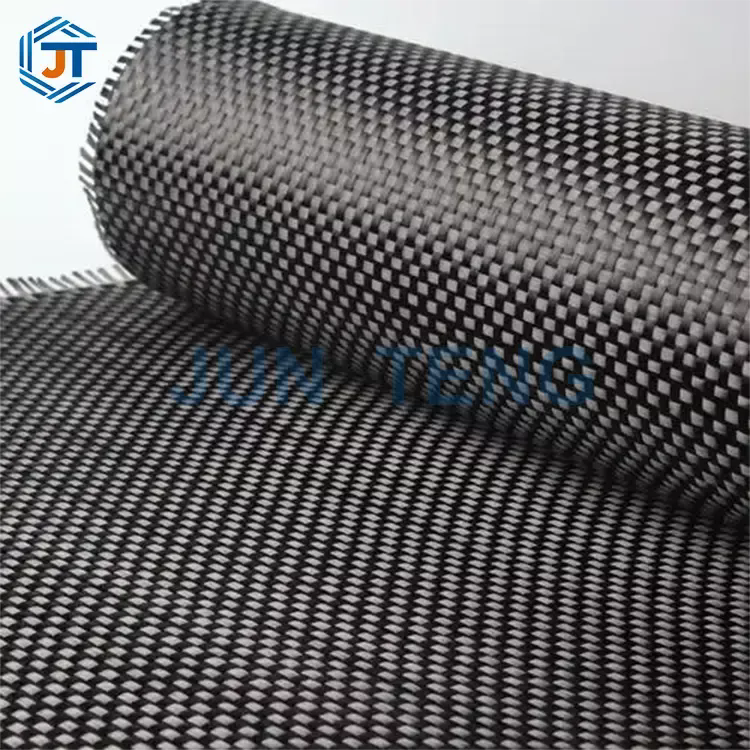
Bidirectional Twill Carbon Fiber Fabric is a woven composite reinforcement material made from carbon fiber strands arranged in two primary directions. Unlike unidirectional carbon fiber materials that mainly provide strength along one axis, bidirectional fabrics offer balanced mechanical properties in both warp and weft directions.
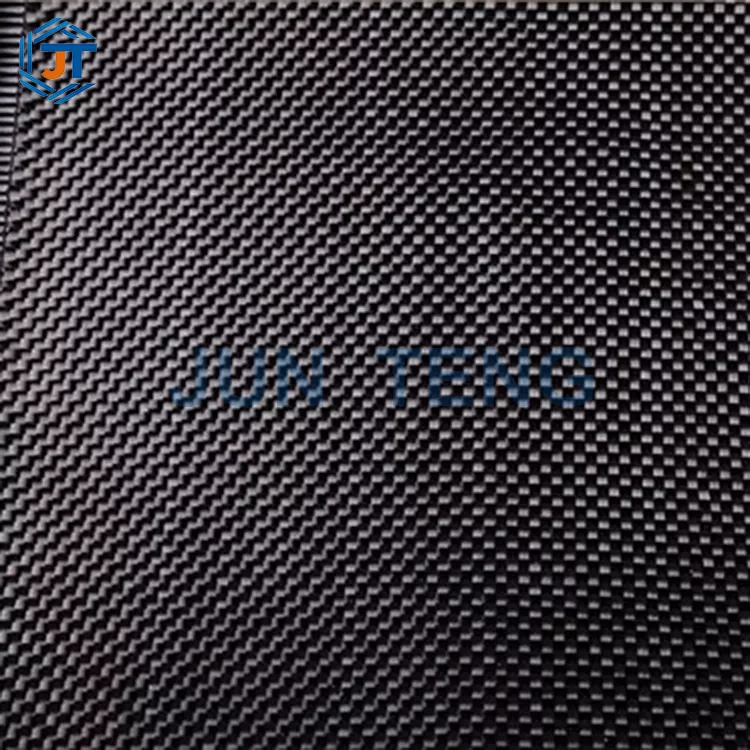
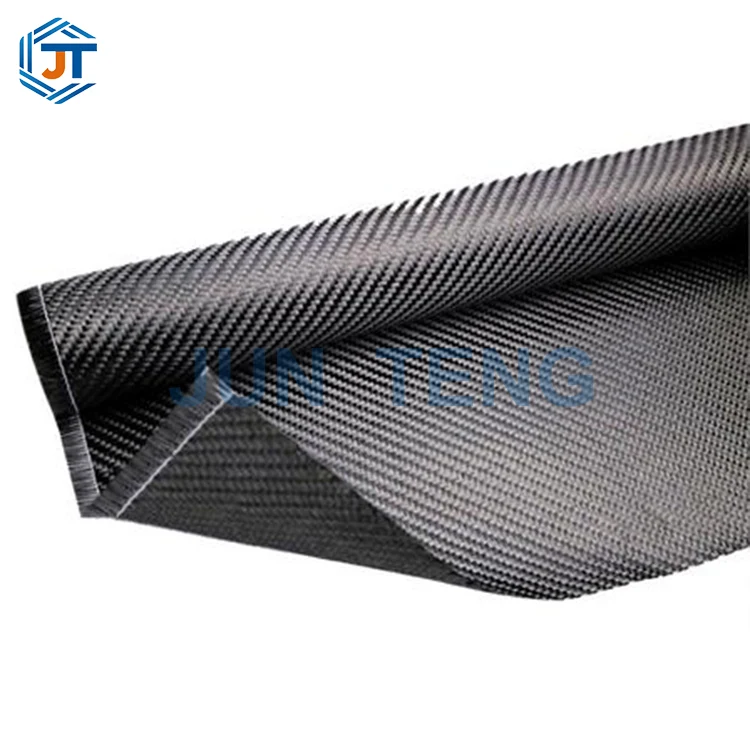
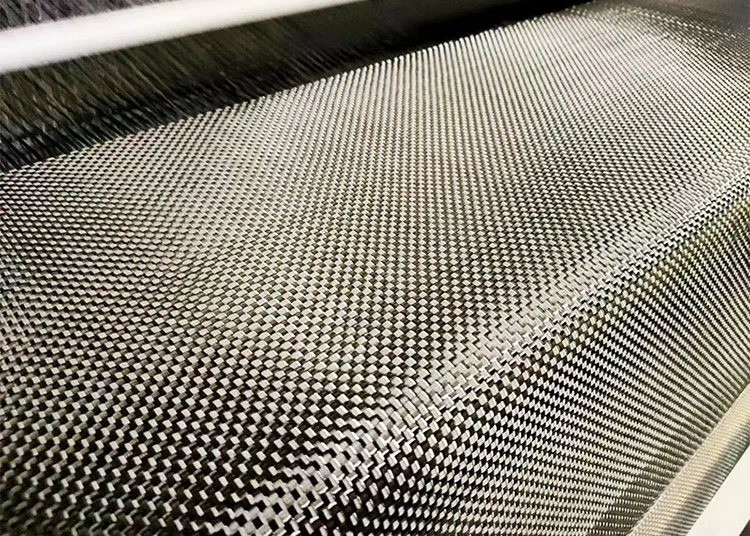
The twill weaving pattern creates a diagonal structure where carbon fiber bundles pass over and under multiple fibers in a repeated sequence. This special arrangement improves fabric handling, surface appearance, and resin penetration during composite manufacturing.
For engineers and manufacturers, the combination of strength, lightweight characteristics, and processing convenience makes Bidirectional Twill Carbon Fiber Fabric an ideal choice for advanced composite applications.
| Feature | Description |
|---|---|
| Fiber Direction | Two-directional reinforcement for balanced strength |
| Weave Style | Twill pattern with excellent drapability |
| Main Material | High-performance carbon fiber filaments |
| Weight Advantage | Provides high strength with reduced structural weight |
| Surface Quality | Creates attractive and uniform composite finishes |
Why Does Bidirectional Twill Carbon Fiber Fabric Matter in Modern Manufacturing?
Modern industries are continuously searching for materials that can deliver higher performance while reducing production costs and structural weight. Traditional metal materials such as steel and aluminum have been widely used for decades, but they often cannot meet the increasing demands for lightweight and high-strength designs.
Bidirectional Twill Carbon Fiber Fabric addresses these challenges by providing excellent strength-to-weight performance. It allows manufacturers to create stronger structures without adding unnecessary mass.
For example, in transportation industries, reducing component weight can improve energy efficiency and overall performance. In aerospace applications, every reduction in weight can contribute to better fuel efficiency and increased payload capacity.
The twill structure also provides better flexibility during manufacturing. Compared with plain weave fabrics, twill carbon fiber fabrics can adapt more easily to curved surfaces, reducing difficulties during molding processes.
| Traditional Material Challenge | How Carbon Fiber Fabric Helps |
|---|---|
| Heavy structural weight | Provides lightweight reinforcement with high strength |
| Limited fatigue resistance | Offers excellent durability under repeated stress |
| Difficult shaping processes | Twill weaving improves flexibility and molding performance |
| Surface appearance limitations | Creates smooth and professional composite finishes |
How Does Bidirectional Twill Weaving Improve Material Performance?
The weaving structure plays an important role in determining the performance of carbon fiber fabric. Bidirectional Twill Carbon Fiber Fabric uses a carefully designed interlacing pattern that distributes loads more evenly throughout the composite structure.
When external forces are applied, the two-directional fiber arrangement helps resist tension from different angles. This reduces the risk of weak points and improves overall structural reliability.
The twill pattern also creates several manufacturing advantages:
- Better Flexibility: The fabric can conform to complex shapes and curved surfaces more easily.
- Improved Resin Absorption: The weaving structure supports effective resin flow during composite production.
- Enhanced Appearance: The diagonal pattern provides a high-quality visual finish for visible components.
- Stable Mechanical Performance: Balanced fiber distribution supports consistent strength.
For manufacturers producing advanced composite parts, these characteristics can significantly improve production efficiency and final product quality.
What Problems Can Bidirectional Twill Carbon Fiber Fabric Solve?
Manufacturers using composite materials often face several challenges, including insufficient strength, excessive weight, complicated production processes, and inconsistent product quality. Bidirectional Twill Carbon Fiber Fabric provides effective solutions for these common issues by combining advanced fiber technology with practical manufacturing advantages.
One of the biggest challenges in composite production is achieving the right balance between strength and weight. Materials that are extremely strong are often heavy, while lightweight materials may lack durability. Carbon fiber fabric changes this balance by offering exceptional mechanical performance without increasing structural mass.
Another common problem is material flexibility. Many composite components feature complex curves, irregular surfaces, or customized designs. Rigid reinforcement materials may create difficulties during molding. The twill weave structure allows Bidirectional Twill Carbon Fiber Fabric to follow different shapes more easily, helping manufacturers achieve better results with fewer production difficulties.
| Manufacturing Challenge | Impact on Production | Carbon Fiber Fabric Solution |
|---|---|---|
| High component weight | Reduced efficiency and higher transportation costs | Lightweight reinforcement with high strength |
| Material deformation | Lower product reliability | Balanced fiber arrangement improves stability |
| Complex molding requirements | Higher processing difficulty | Excellent drapability supports various shapes |
| Surface quality problems | Affects product appearance | Twill patterns provide smooth and attractive finishes |
In addition, carbon fiber materials offer strong resistance against environmental factors. They maintain performance under demanding conditions, making them suitable for applications where reliability and long service life are critical.
Key Advantages of JUN TENG Bidirectional Twill Carbon Fiber Fabric
JUN TENG focuses on providing high-quality carbon fiber fabric solutions designed for modern composite manufacturing requirements. The company understands that different industries require different reinforcement characteristics, so product consistency and customization capability are important factors in selecting a reliable supplier.
JUN TENG Bidirectional Twill Carbon Fiber Fabric offers several important advantages for engineers, manufacturers, and product developers.
-
Excellent Strength-to-Weight Ratio:
Carbon fiber provides outstanding mechanical strength while maintaining a lightweight structure, helping customers develop more efficient products. -
Balanced Reinforcement Performance:
The bidirectional fiber arrangement distributes strength across multiple directions, improving overall structural stability. -
Superior Surface Appearance:
The twill pattern creates a professional and attractive finish, which is especially valuable for visible composite components. -
Good Processing Adaptability:
The fabric structure allows easier handling during lamination, molding, and composite manufacturing processes. -
Reliable Material Quality:
Consistent fiber arrangement helps manufacturers achieve stable production results and reduce quality variations.
By selecting suitable carbon fiber fabric from JUN TENG, manufacturers can improve product performance while maintaining efficient production processes.
Applications of Bidirectional Twill Carbon Fiber Fabric
Because of its combination of strength, lightweight properties, and excellent appearance, Bidirectional Twill Carbon Fiber Fabric is widely used across multiple industries. Its versatility allows engineers to develop advanced products that require both performance and design flexibility.
| Industry | Application Examples | Main Benefits |
|---|---|---|
| Aerospace | Aircraft interior parts, structural components | Weight reduction and high mechanical strength |
| Automotive | Body panels, racing components, interior parts | Improved efficiency and enhanced appearance |
| Sports Equipment | Bicycles, helmets, rackets, protective equipment | Lightweight design and impact resistance |
| Marine Industry | Boat structures and performance components | Durability and corrosion resistance |
| Industrial Equipment | Machine parts and customized composite structures | Long service life and reliable performance |
Automotive Applications
The automotive industry continues to explore lightweight materials to improve fuel efficiency and electric vehicle range. Bidirectional Twill Carbon Fiber Fabric helps manufacturers create strong but lightweight components that meet modern vehicle requirements.
Compared with traditional materials, carbon fiber composites can reduce unnecessary weight while maintaining structural integrity. This makes them suitable for performance vehicles, electric vehicles, and customized automotive solutions.
Aerospace Applications
Aerospace engineering requires materials with exceptional strength, low weight, and reliable performance. Carbon fiber fabrics are widely used because they can withstand demanding mechanical conditions while contributing to weight reduction.
The balanced structure of Bidirectional Twill Carbon Fiber Fabric makes it suitable for components where multi-directional strength is required.
How to Choose the Right Carbon Fiber Fabric?
Selecting the correct carbon fiber fabric is an important step in achieving successful composite manufacturing results. Different applications may require different fabric weights, fiber types, weaving patterns, and mechanical properties.
Before purchasing Bidirectional Twill Carbon Fiber Fabric, manufacturers should evaluate the following factors:
- Application Requirements: Determine whether the material will be used for structural reinforcement, decorative surfaces, or lightweight components.
- Fabric Weight: Choose an appropriate fabric thickness according to the required strength and molding process.
- Mechanical Performance: Consider tensile strength, stiffness, and durability requirements.
- Processing Method: Ensure the fabric matches the selected resin system and manufacturing technique.
- Supplier Reliability: Work with experienced suppliers that can provide stable quality and technical support.
| Selection Factor | Questions to Consider |
|---|---|
| Material Performance | Does the fabric meet required strength and durability standards? |
| Manufacturing Process | Is the fabric suitable for the intended molding method? |
| Appearance Requirements | Does the weave pattern meet visual design expectations? |
| Supplier Support | Can the supplier provide professional assistance and stable supply? |
JUN TENG provides professional carbon fiber fabric solutions to help customers select suitable products according to their specific application needs. With attention to quality and manufacturing requirements, JUN TENG supports customers in developing reliable composite products.
Why Is Bidirectional Twill Carbon Fiber Fabric Becoming More Popular?
The demand for advanced composite materials continues to grow as industries look for better solutions that combine performance, efficiency, and design flexibility. Bidirectional Twill Carbon Fiber Fabric has gained popularity because it meets many of the requirements that modern manufacturers need from reinforcement materials.
One major reason is the increasing focus on lightweight engineering. Whether in transportation, industrial equipment, or consumer products, reducing unnecessary weight can improve operational efficiency and user experience. Carbon fiber fabrics allow designers to achieve lighter structures without sacrificing strength.
Another important factor is design freedom. Traditional materials often limit product shapes because of their weight or processing difficulties. The flexible weaving structure of twill carbon fiber enables manufacturers to create more complex and innovative designs while maintaining structural reliability.
- Lightweight construction for improved efficiency
- High mechanical strength for demanding applications
- Excellent fatigue resistance for long-term use
- Flexible processing for customized composite structures
- Premium surface appearance for visible components
As industries continue moving toward higher-performance materials, Bidirectional Twill Carbon Fiber Fabric is expected to remain an important choice for composite manufacturing.
How Does Bidirectional Twill Carbon Fiber Fabric Compare With Other Carbon Fiber Weaves?
Different carbon fiber weaving methods provide different performance characteristics. Understanding these differences helps manufacturers select the most suitable reinforcement material for their applications.
| Weave Type | Main Characteristics | Suitable Applications |
|---|---|---|
| Plain Weave Carbon Fiber | Stable structure and good dimensional stability | General composite applications |
| Bidirectional Twill Carbon Fiber Fabric | Balanced strength, flexibility, and attractive appearance | Automotive parts, aerospace components, sports products |
| Unidirectional Carbon Fiber | Extremely high strength along one direction | Load-focused structural reinforcement |
Compared with plain weave fabrics, Bidirectional Twill Carbon Fiber Fabric provides improved flexibility and better draping performance. This makes it easier to apply to curved surfaces and complicated shapes.
Compared with unidirectional carbon fiber materials, bidirectional twill fabrics offer more balanced reinforcement because fibers are arranged in multiple directions. This helps reduce design limitations when components experience forces from different angles.
What Should Manufacturers Know Before Using Bidirectional Twill Carbon Fiber Fabric?
Although carbon fiber fabric provides many advantages, successful application requires proper material selection and manufacturing control. Manufacturers should understand several key factors before integrating this material into production.
1. Understand the Required Performance
Every application has different requirements. Some products require maximum strength, while others focus on appearance, flexibility, or weight reduction. Selecting the correct carbon fiber fabric specification helps achieve the best balance between performance and cost.
2. Consider the Manufacturing Method
Composite production methods such as hand lay-up, vacuum infusion, resin transfer molding, and other techniques may have different requirements for fabric characteristics. Choosing a suitable fabric can improve production efficiency and final product quality.
3. Evaluate Long-Term Reliability
Composite components are often designed for long service periods. Factors such as environmental exposure, mechanical stress, and operating conditions should be considered when selecting reinforcement materials.
Working with an experienced supplier like JUN TENG helps manufacturers better understand product characteristics and select suitable carbon fiber fabric solutions for their projects.
Quality Considerations for Bidirectional Twill Carbon Fiber Fabric
Material quality directly affects the performance of final composite products. Reliable carbon fiber fabric should have consistent weaving, stable fiber arrangement, and dependable processing performance.
| Quality Factor | Importance |
|---|---|
| Uniform Fiber Distribution | Ensures consistent mechanical performance throughout the composite structure |
| Stable Weave Pattern | Supports predictable processing and improved appearance |
| Surface Cleanliness | Helps improve bonding between fiber and resin |
| Material Consistency | Reduces production variation and improves reliability |
JUN TENG pays attention to manufacturing details to provide carbon fiber fabric products that meet the practical needs of different industries. Through reliable material solutions, customers can improve product quality and achieve more efficient composite production.
Frequently Asked Questions About Bidirectional Twill Carbon Fiber Fabric
What is Bidirectional Twill Carbon Fiber Fabric used for?
Bidirectional Twill Carbon Fiber Fabric is commonly used for aerospace parts, automotive components, sports equipment, marine structures, industrial products, and other composite applications that require lightweight strength and durability.
Why choose twill weave instead of plain weave carbon fiber?
Twill weave provides better flexibility and draping ability, allowing the fabric to adapt more easily to complex shapes. It also creates an attractive diagonal surface pattern suitable for visible composite parts.
Is Bidirectional Twill Carbon Fiber Fabric lightweight?
Yes. Carbon fiber materials are known for their excellent strength-to-weight ratio. They can provide strong reinforcement while keeping component weight low.
Can JUN TENG provide carbon fiber fabric solutions for customized requirements?
JUN TENG provides professional carbon fiber fabric solutions for different application needs. Customers can discuss specifications, application conditions, and production requirements to find suitable products.
How does carbon fiber fabric improve composite products?
Carbon fiber fabric improves composite products by increasing strength, reducing weight, improving durability, and supporting advanced product designs.
Conclusion
Bidirectional Twill Carbon Fiber Fabric plays an important role in modern composite manufacturing because it combines lightweight performance, high strength, excellent flexibility, and attractive appearance. Its balanced fiber structure makes it suitable for industries that require reliable and advanced material solutions.
From automotive components and aerospace structures to industrial applications and customized composite products, this material helps manufacturers overcome common challenges related to weight, strength, and design complexity.
JUN TENG continues to provide high-quality carbon fiber fabric solutions designed to support customers with reliable materials and professional application assistance. Choosing the right carbon fiber fabric can help businesses improve product performance and create more competitive composite solutions.
Looking for reliable Bidirectional Twill Carbon Fiber Fabric solutions for your project? Contact JUN TENG today to discuss your requirements and get professional support. Please contact us for more information and customized carbon fiber fabric solutions.
Related News
- Why Are Carbon Carbon Studs Becoming the Preferred Fastening Solution for Ultra-High-Temperature Applications
- How Does Jacquard Carbon Fiber Fabric Improve Performance and Design Possibilities?
- How Does Unidirectional Carbon Fiber Fabric Improve Composite Performance?
- How Does Carbon Fiber Reinforcement Adhesive Improve Structural Strength and Durability?
- Global Carbon Fiber Composite Industry Sees Dual Growth in Infrastructure Reinforcement & High-Temp Thermal Field Materials
- Which Carbon-Carbon Supplier Offers One-Stop Custom Parts for PV and Semiconductor Furnaces?
Leave me a message