
How Does Jacquard Carbon Fiber Fabric Improve Performance and Design Possibilities?
Article Summary
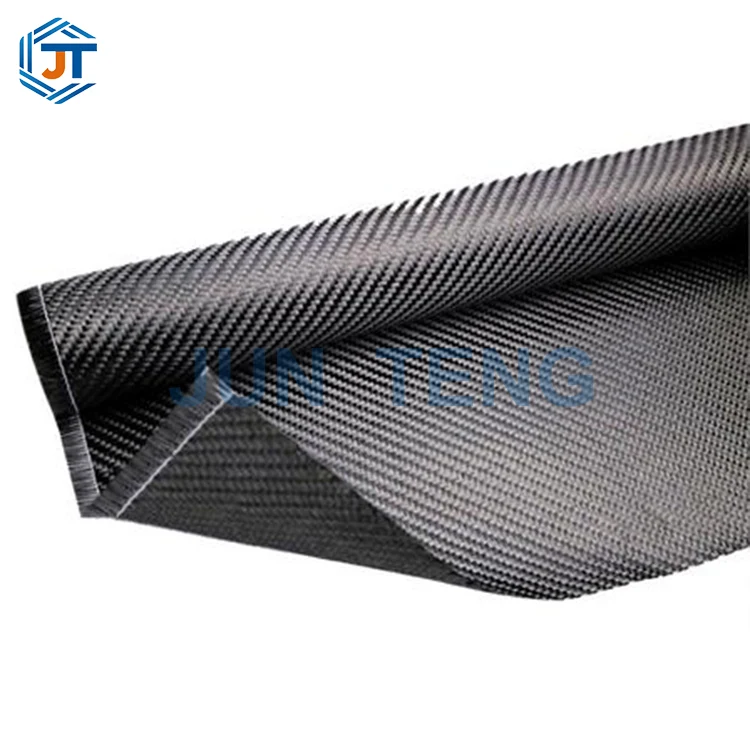
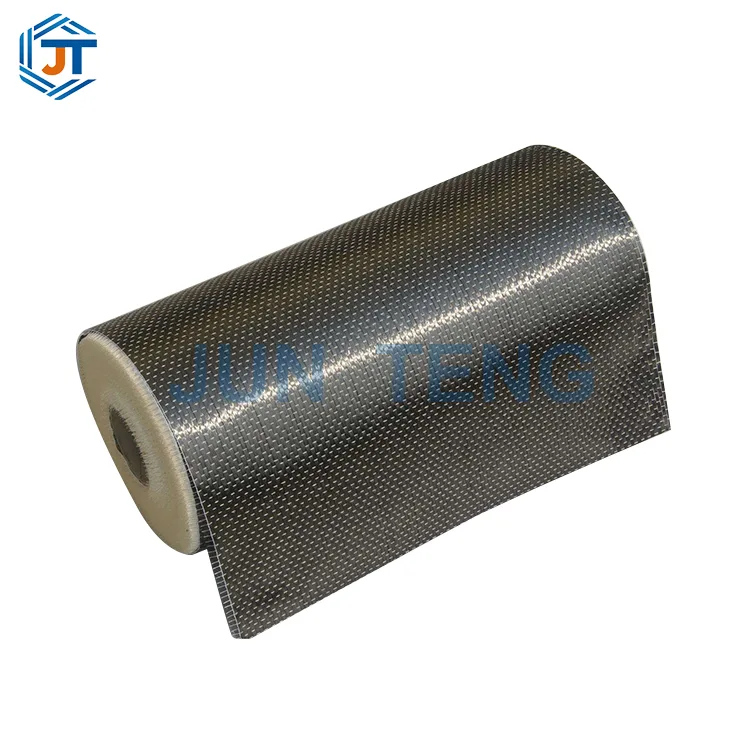
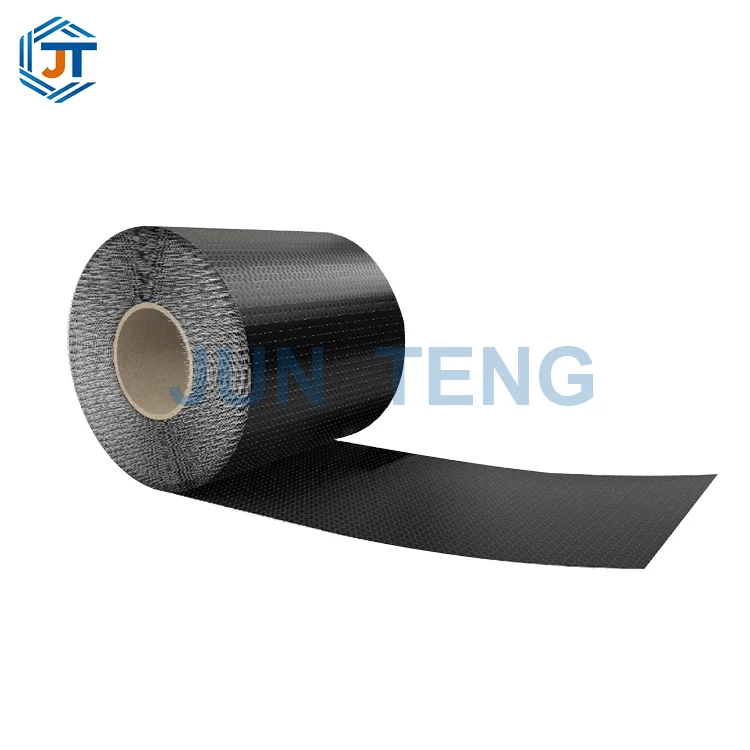
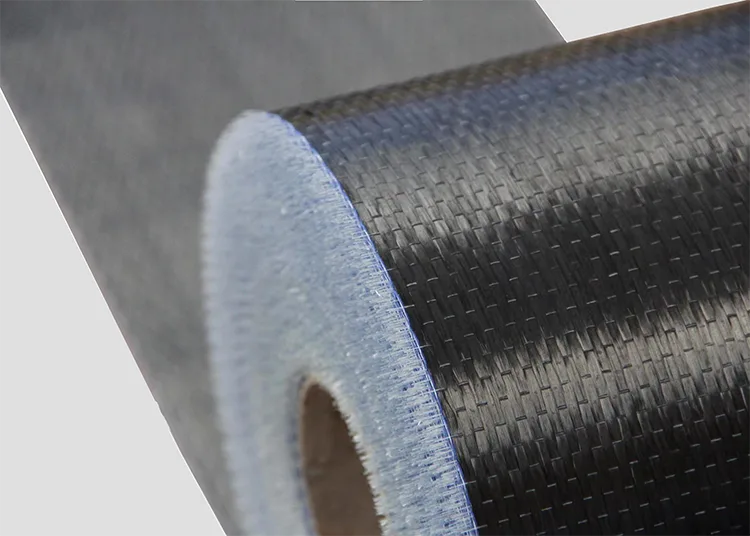
Jacquard carbon fiber fabric is becoming an advanced material choice for industries that require both outstanding mechanical performance and premium visual appearance. Unlike traditional carbon fiber fabrics with simple weaving structures, jacquard carbon fiber fabric uses customized weaving technology to create unique three-dimensional patterns while maintaining the lightweight, high-strength, and corrosion-resistant advantages of carbon fiber materials.
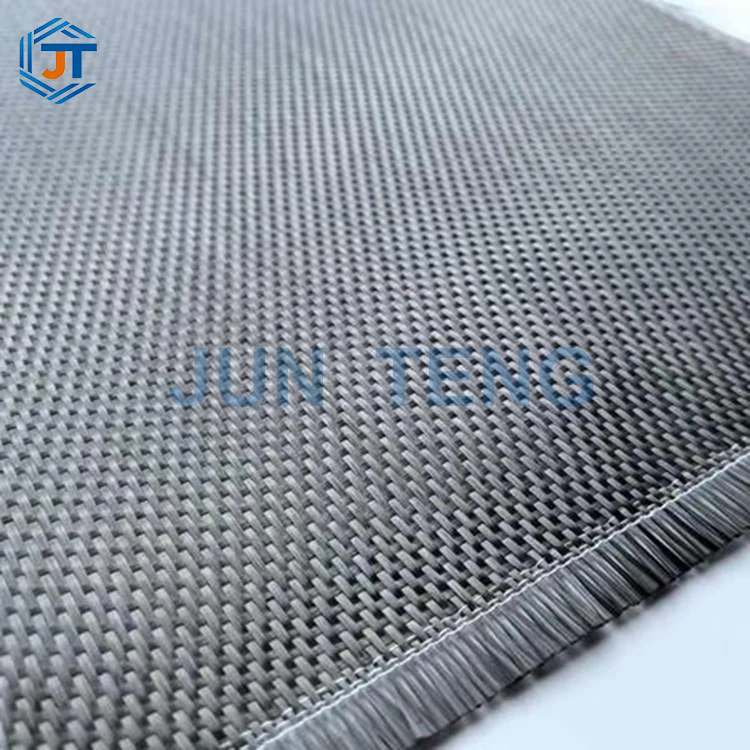
For manufacturers, designers, and composite material users, selecting the right carbon fiber fabric can directly influence product quality, production efficiency, and market competitiveness. This article explains how jacquard carbon fiber fabric works, why it solves common challenges in composite applications, and how companies can choose the right solution for automotive, sports equipment, electronics, industrial components, and decorative applications.
With professional manufacturing experience and customized composite material solutions, Hubei Wanying Machinery Co., Ltd. focuses on providing reliable industrial solutions while supporting customers in achieving better product performance and production results.
Table of Contents
- 1. Overview of Jacquard Carbon Fiber Fabric
- 2. How Jacquard Carbon Fiber Fabric Works
- 3. Key Advantages of Jacquard Carbon Fiber Fabric
- 4. Main Applications of Jacquard Carbon Fiber Fabric
- 5. How to Choose the Right Jacquard Carbon Fiber Fabric
- 6. Frequently Asked Questions
- 7. Conclusion
1. Overview of Jacquard Carbon Fiber Fabric
Carbon fiber has become one of the most valuable reinforcement materials in modern manufacturing because of its excellent strength-to-weight ratio, fatigue resistance, and chemical stability. However, traditional carbon fiber fabrics often have limited surface designs, making them difficult to use in applications where both technical performance and appearance are important.
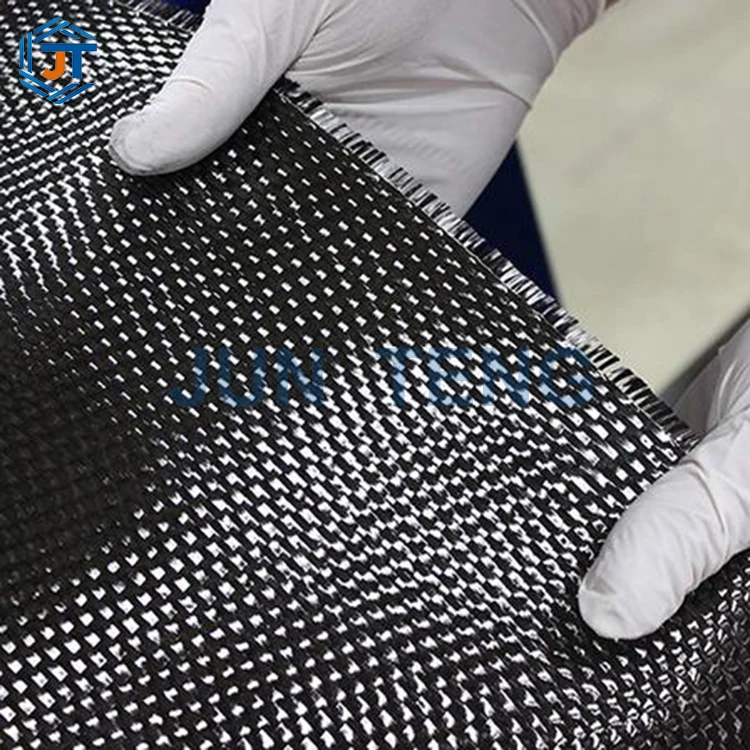
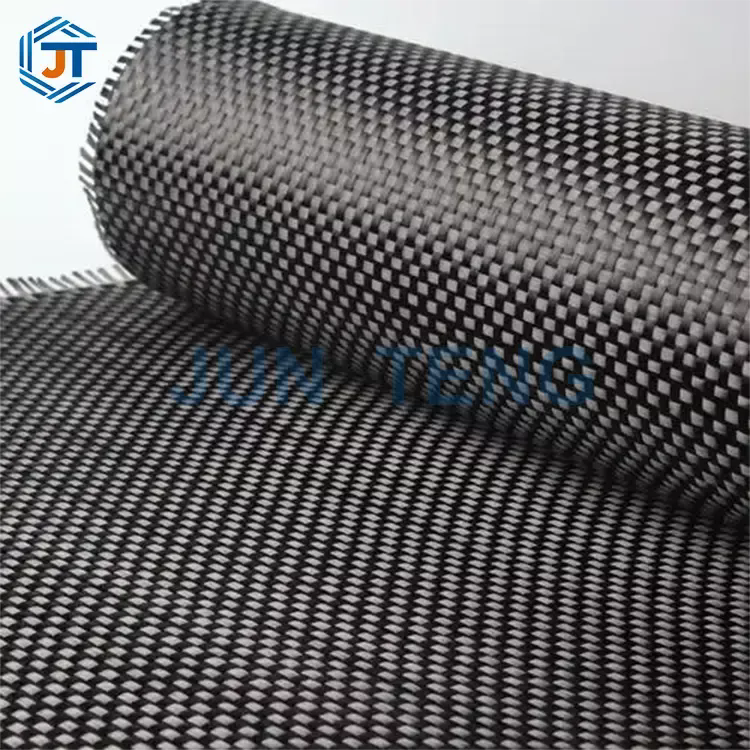
Jacquard carbon fiber fabric solves this limitation by combining advanced weaving technology with carbon fiber performance. Through precise control of warp and weft yarn arrangements, manufacturers can create complex patterns, textures, and three-dimensional visual effects directly within the fabric structure instead of relying on additional surface decoration.
This manufacturing method allows designers to create high-end composite products with unique appearances while preserving the fundamental advantages of carbon fiber. The material can provide excellent mechanical reinforcement while also improving product differentiation.
| Feature | Description | Customer Benefit |
|---|---|---|
| Special Weaving Structure | Uses jacquard weaving technology to form customized patterns and textures. | Creates unique product appearance without additional decoration processes. |
| Carbon Fiber Performance | Maintains lightweight structure, high tensile strength, and corrosion resistance. | Improves durability and reduces product weight. |
| Customization Capability | Supports different patterns, textures, widths, and specifications. | Helps brands develop differentiated products. |
| Composite Compatibility | Suitable for resin infusion, molding, and other composite processing methods. | Provides flexible manufacturing options. |
2. How Jacquard Carbon Fiber Fabric Works
The production process of jacquard carbon fiber fabric is based on precise yarn control and advanced weaving techniques. During manufacturing, carbon fiber filaments are arranged according to programmed weaving patterns. Unlike ordinary plain or twill fabrics, jacquard technology allows different yarn positions to create raised, recessed, geometric, or customized patterns.
The core principle is maintaining the mechanical integrity of carbon fiber while introducing visual structures. The weaving process must carefully balance pattern formation and fiber alignment because excessive distortion of carbon filaments may affect strength performance.
Professional manufacturers use controlled tension systems, accurate weaving equipment, and strict inspection procedures to ensure consistent fabric quality. High-quality jacquard carbon fiber fabric should have uniform patterns, stable thickness, smooth surfaces, and reliable mechanical properties.
Main Production Steps
- Carbon Fiber Selection: High-quality carbon fiber filaments are selected according to strength requirements and application conditions.
- Pattern Design: Engineers develop weaving patterns based on customer requirements, product appearance, and performance targets.
- Precision Weaving: Automated equipment controls yarn placement to create accurate jacquard textures.
- Quality Inspection: Finished fabric is checked for surface defects, pattern consistency, weight accuracy, and structural stability.
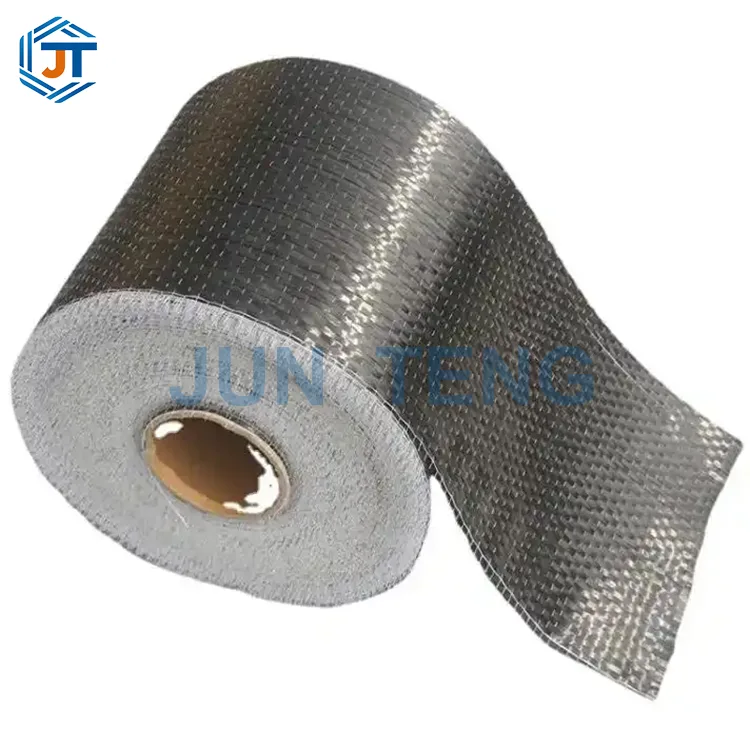
- Customization Processing: Fabric width, roll length, and specifications can be adjusted for different industries.
3. Key Advantages of Jacquard Carbon Fiber Fabric
Many manufacturers face the challenge of balancing product appearance, weight reduction, and structural performance. Conventional decorative materials may improve appearance but often cannot provide sufficient strength. Jacquard carbon fiber fabric addresses this problem by integrating aesthetics and engineering performance into one material.
Lightweight Yet Strong Performance
One of the biggest advantages of carbon fiber materials is their excellent strength-to-weight ratio. Jacquard carbon fiber fabric keeps this advantage while adding customized surface textures. This makes it ideal for products where reducing weight is essential, including automotive components, sports equipment, and portable electronic housings.
Premium Appearance Without Extra Coating
Traditional composite products often require painting, printing, or additional finishing processes to achieve a premium appearance. Jacquard carbon fiber fabric forms patterns during weaving, reducing the need for extra decorative layers and helping manufacturers simplify production steps.
Better Product Differentiation
In competitive markets, appearance can influence purchasing decisions. Customized jacquard textures allow manufacturers to create recognizable product designs and improve brand value. This is especially important for luxury automotive parts, consumer electronics, and customized equipment.
4. Main Applications of Jacquard Carbon Fiber Fabric
The unique combination of structural strength and decorative appearance makes jacquard carbon fiber fabric suitable for many industries. Compared with traditional composite fabrics, it provides manufacturers with more flexibility when developing products that require both technical reliability and attractive design.
| Industry | Application Examples | Why Jacquard Carbon Fiber Fabric Is Suitable |
|---|---|---|
| Automotive Industry | Interior panels, trim parts, steering wheel components, lightweight covers | Provides premium appearance, weight reduction, and excellent durability. |
| Sports Equipment | Bicycle components, golf equipment, racing accessories, protective products | Offers high strength, impact resistance, and modern visual appeal. |
| Consumer Electronics | Laptop covers, phone accessories, wearable device shells | Creates lightweight products with a high-end carbon fiber texture. |
| Aerospace Applications | Interior structures and lightweight composite components | Supports weight-saving designs with reliable mechanical performance. |
| Industrial Equipment | Machine covers, special tools, structural reinforcement parts | Provides corrosion resistance and long service life. |
For automotive manufacturers, jacquard carbon fiber fabric provides an opportunity to combine lightweight engineering with luxury design. For example, interior components can achieve a high-performance carbon fiber appearance without adding unnecessary weight.
In sports equipment manufacturing, every gram can influence user experience. The lightweight characteristics of carbon fiber help manufacturers produce stronger and more efficient products, while jacquard patterns allow brands to create visually distinctive designs.
5. What Problems Can Jacquard Carbon Fiber Fabric Solve?
Many companies using composite materials experience several common challenges, including limited design options, complicated finishing processes, inconsistent quality, and difficulty creating differentiated products. Jacquard carbon fiber fabric provides practical solutions to these issues.
| Common Challenge | Traditional Material Limitation | Jacquard Carbon Fiber Fabric Solution |
|---|---|---|
| Lack of Visual Differentiation | Standard carbon fiber fabrics usually have simple patterns. | Custom jacquard structures create unique surface designs. |
| Extra Finishing Costs | Painting or decoration may require additional production steps. | Patterns are integrated during weaving, reducing secondary processing. |
| Weight Reduction Requirements | Metal and conventional materials may increase product weight. | Carbon fiber provides lightweight reinforcement. |
| Performance Requirements | Some decorative materials cannot provide structural support. | Maintains high strength and composite performance. |
| Customization Difficulties | Changing appearance often requires redesigning the product. | Different weaving patterns can be developed according to customer needs. |
6. How to Choose the Right Jacquard Carbon Fiber Fabric
Choosing the correct jacquard carbon fiber fabric requires consideration of application requirements, processing methods, and performance expectations. Selecting unsuitable materials may lead to production difficulties, increased costs, or insufficient product performance.
Important Selection Factors
- Fiber Type: Different carbon fiber grades provide different levels of strength, stiffness, and cost efficiency. The material should match the final product requirements.
- Fabric Pattern: Jacquard patterns influence appearance and may affect processing characteristics. Manufacturers should select patterns suitable for the product design.
- Fabric Weight: The weight per square meter affects resin absorption, final thickness, and overall composite performance.
- Width Requirements: Choosing the appropriate fabric width can reduce material waste and improve production efficiency.
- Manufacturing Compatibility: The fabric should work well with the intended molding process, including compression molding, resin transfer molding, or hand lay-up methods.
A reliable supplier should provide technical support, stable production capability, and customized solutions. Hubei Wanying Machinery Co., Ltd. understands that different industries have different material requirements and helps customers select suitable solutions based on actual applications.
7. Jacquard Carbon Fiber Fabric vs Traditional Carbon Fiber Fabric
| Comparison Item | Traditional Carbon Fiber Fabric | Jacquard Carbon Fiber Fabric |
|---|---|---|
| Surface Appearance | Usually limited to standard weaving patterns. | Provides customized and complex woven designs. |
| Design Flexibility | Lower customization capability. | Supports personalized patterns and textures. |
| Application Range | Mainly focused on structural reinforcement. | Suitable for both structural and decorative applications. |
| Brand Value | Provides technical performance. | Combines performance with premium product identity. |
| Manufacturing Advantages | May require additional surface treatment. | Reduces dependence on extra decoration processes. |
8. Future Development Trends of Jacquard Carbon Fiber Fabric
As industries continue to demand lighter, stronger, and more attractive products, jacquard carbon fiber fabric is expected to gain wider adoption. Manufacturers are increasingly focusing on materials that can improve performance while reducing production complexity.
Future development will likely focus on advanced weaving technologies, improved automation, environmentally responsible production methods, and more customized fabric solutions. These improvements will help manufacturers create innovative composite products for transportation, electronics, sports, and industrial markets.
The combination of engineering performance and design flexibility makes jacquard carbon fiber fabric a valuable material choice for companies seeking competitive advantages in modern manufacturing.
Frequently Asked Questions
What is jacquard carbon fiber fabric?
Jacquard carbon fiber fabric is a specialized carbon fiber textile produced through jacquard weaving technology. It creates customized patterns directly within the fabric structure while maintaining carbon fiber's lightweight and high-strength characteristics.
Is jacquard carbon fiber fabric as strong as regular carbon fiber fabric?
Yes. High-quality jacquard carbon fiber fabric maintains the fundamental mechanical advantages of carbon fiber. However, performance depends on fiber type, weaving design, manufacturing quality, and composite processing methods.
Can jacquard carbon fiber fabric be customized?
Yes. Manufacturers can customize patterns, sizes, weights, and specifications according to different application requirements. Customized solutions help companies achieve unique product designs.
Where is jacquard carbon fiber fabric commonly used?
It is commonly used in automotive parts, sports equipment, electronics, aerospace components, luxury products, and industrial composite applications where both appearance and performance are important.
How should companies select a jacquard carbon fiber fabric supplier?
Companies should evaluate supplier experience, production capability, quality control systems, customization ability, and technical support services. A professional supplier can help reduce material selection risks and improve final product performance.
Conclusion
Jacquard carbon fiber fabric provides an effective solution for manufacturers looking to combine lightweight performance, structural reliability, and premium appearance. Through advanced weaving technology, this material expands the possibilities of carbon fiber applications and helps businesses create more competitive products.
From automotive interiors to sports equipment and industrial components, jacquard carbon fiber fabric offers advantages that traditional materials cannot easily achieve. Choosing the right material supplier is essential for ensuring consistent quality, customized solutions, and long-term production success.
Hubei Wanying Machinery Co., Ltd. is committed to providing professional material solutions and supporting customers with reliable products and customized services. If you are looking for high-quality jacquard carbon fiber fabric solutions for your project, please contact us to discuss your requirements and find the most suitable solution.
Related News
- Why Are Carbon Carbon Studs Becoming the Preferred Fastening Solution for Ultra-High-Temperature Applications
- How Does Unidirectional Carbon Fiber Fabric Improve Composite Performance?
- How Does Bidirectional Twill Carbon Fiber Fabric Improve Composite Material Performance?
- How Does Carbon Fiber Reinforcement Adhesive Improve Structural Strength and Durability?
- Global Carbon Fiber Composite Industry Sees Dual Growth in Infrastructure Reinforcement & High-Temp Thermal Field Materials
- Which Carbon-Carbon Supplier Offers One-Stop Custom Parts for PV and Semiconductor Furnaces?
Leave me a message