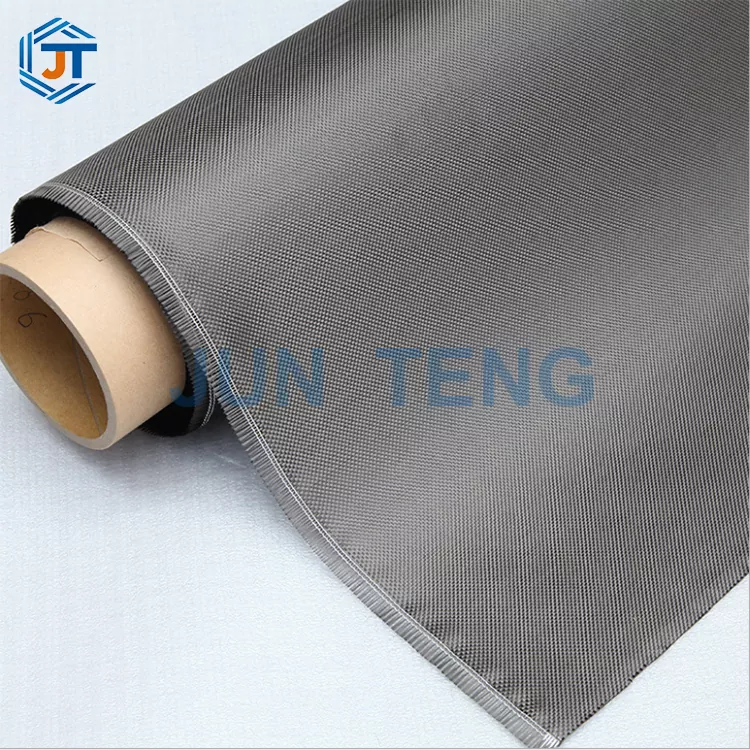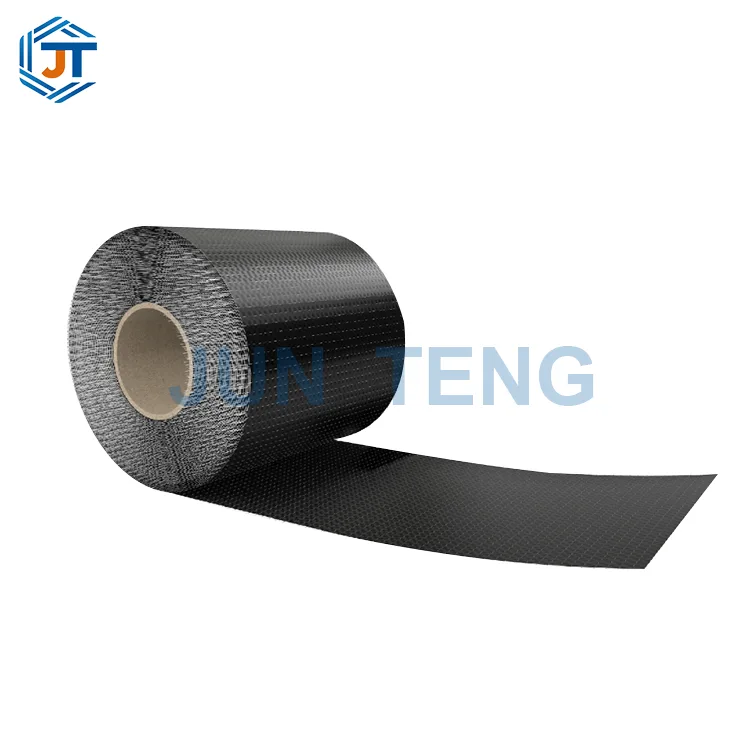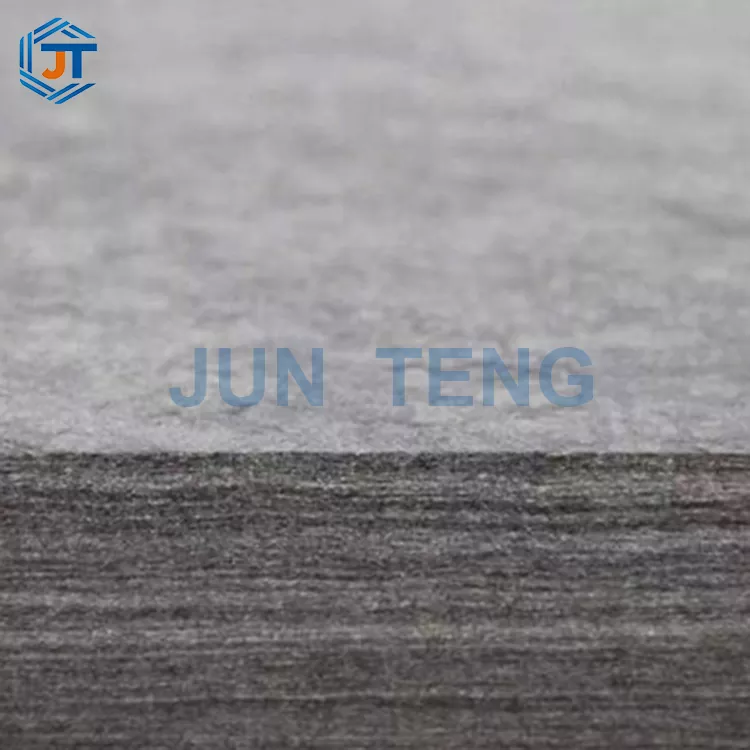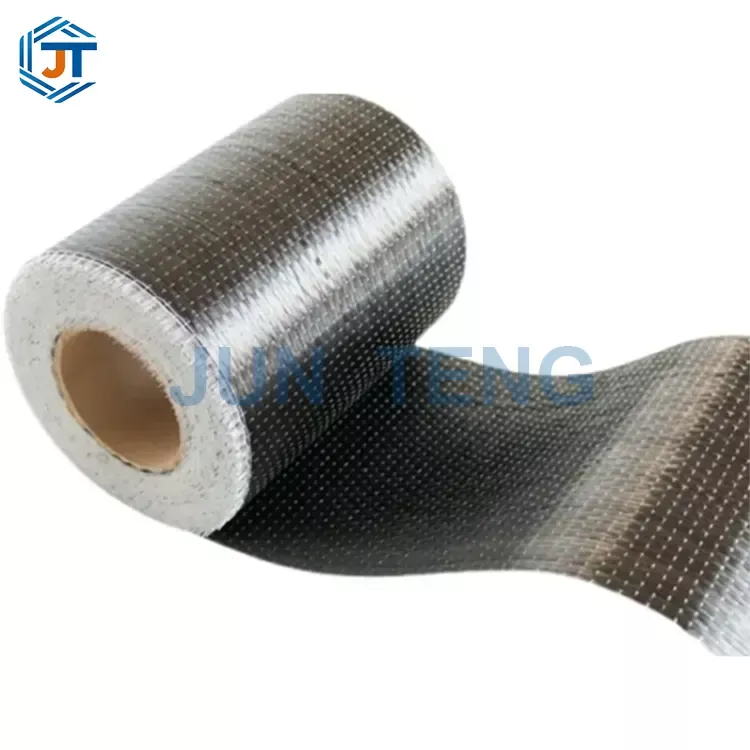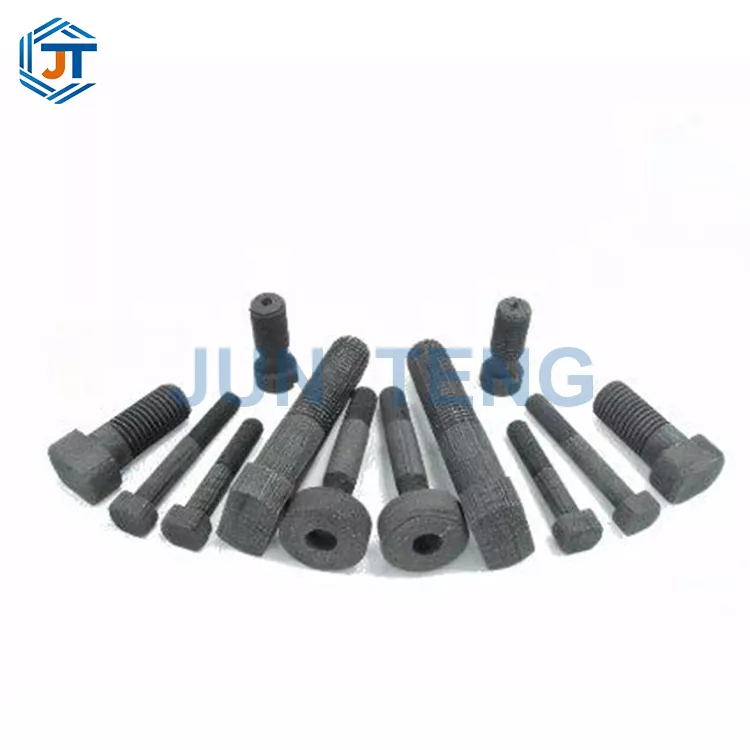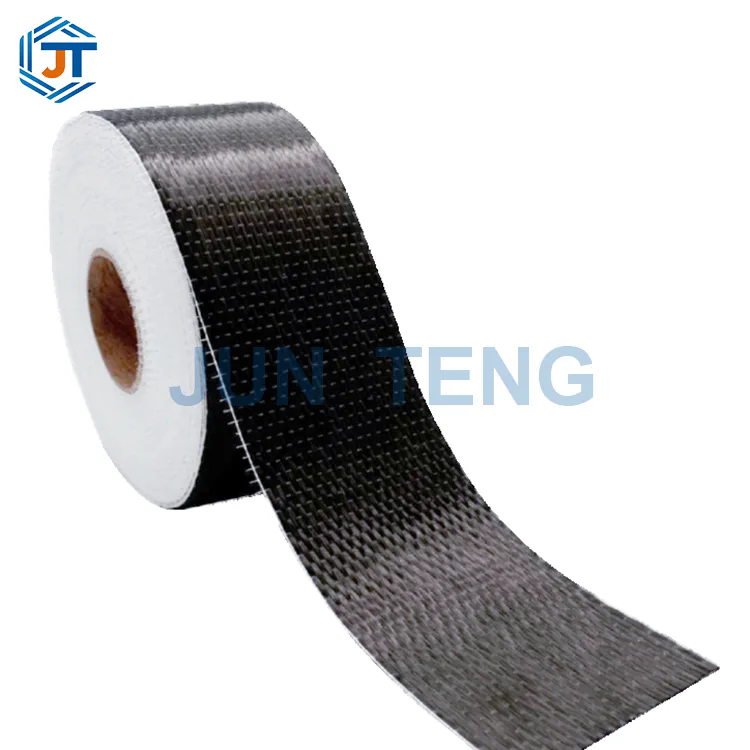

Article Summary: Carbon Carbon Thermal Insulation Materials are engineered for demanding thermal-field applications where temperature stability, low thermal conductivity, purity, and resistance to thermal shock are critical. JUNTENG develops carbon-carbon insulation solutions for photovoltaic, semiconductor, vacuum heat-treatment, sintering, and other high-temperature equipment. Its material portfolio includes hard insulation boards and flexible insulation felt, with customized dimensions, CNC processing, and optional SiC anti-oxidation coatings for specific operating environments.
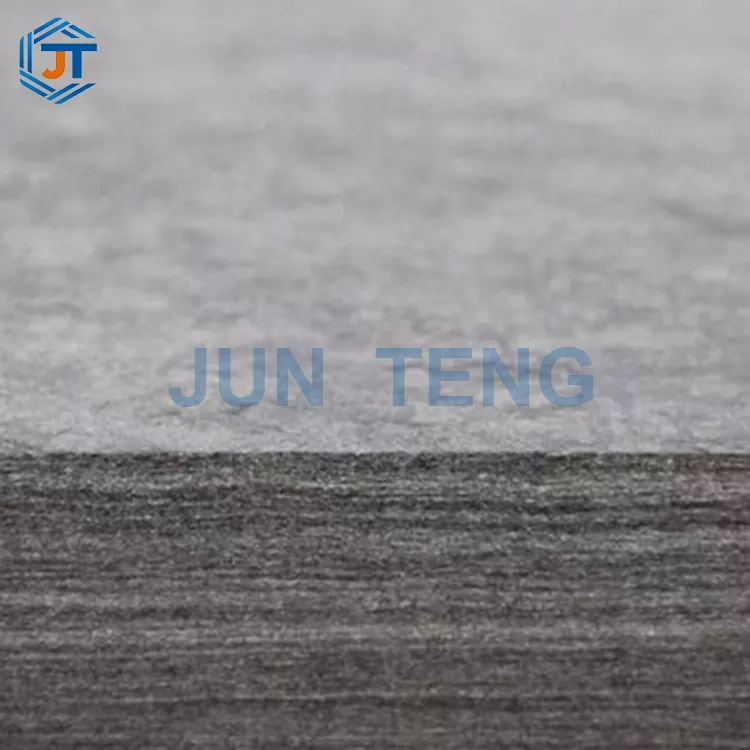
Table of Contents
- What Are Carbon Carbon Thermal Insulation Materials?
- Why Does Thermal Insulation Performance Matter in High-Temperature Equipment?
- How Do Carbon-Carbon Insulation Materials Compare With Conventional Materials?
- What Are the Key Advantages of Carbon-Carbon Insulation?
- How Are Carbon-Carbon Thermal Insulation Materials Manufactured?
- Where Are Carbon-Carbon Insulation Materials Used?
- How Should You Select the Right Insulation Material?
- What Should Be Considered During Installation and Use?
- Frequently Asked Questions
- Conclusion
What Are Carbon Carbon Thermal Insulation Materials?
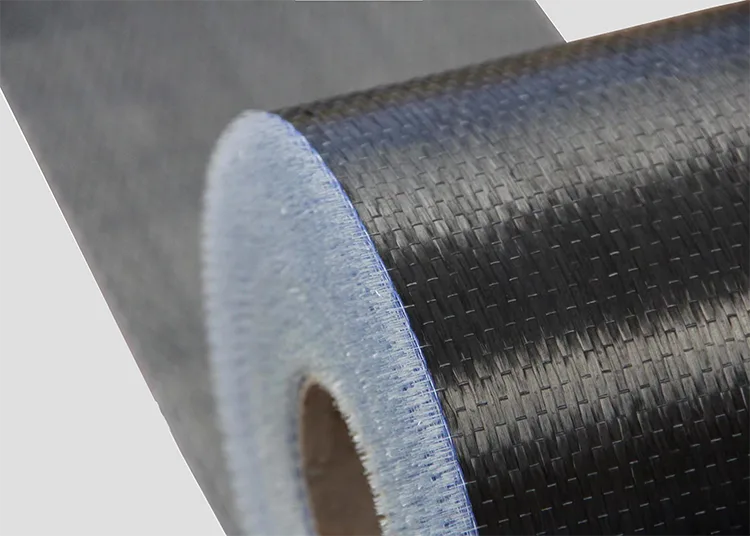
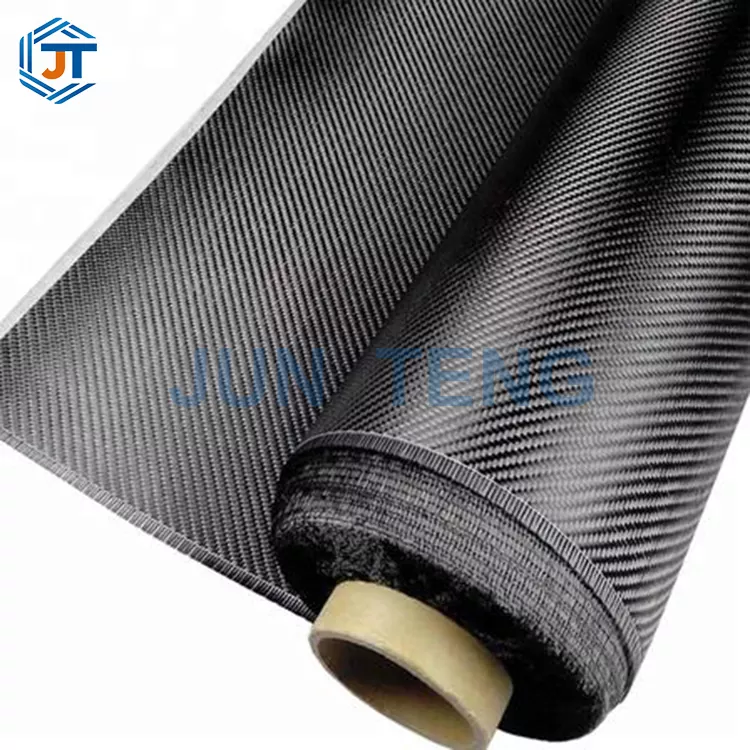
Carbon Carbon Thermal Insulation Materials are high-temperature insulation components manufactured from carbon fibers and carbon-based matrices. Unlike conventional soft insulation materials that may lose structural integrity, shed particles, or degrade under severe thermal cycling, carbon-carbon composites combine a lightweight structure with excellent temperature resistance and dimensional stability.
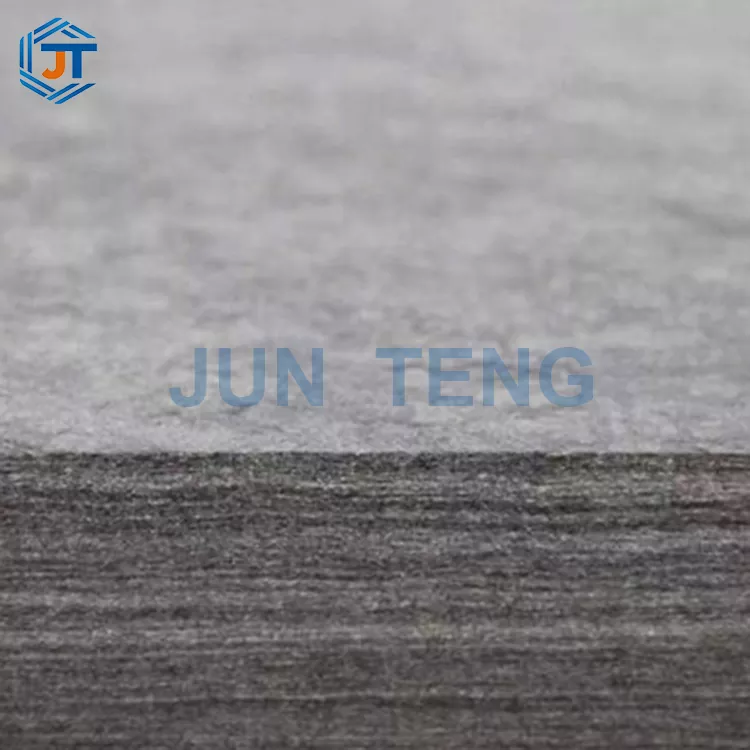
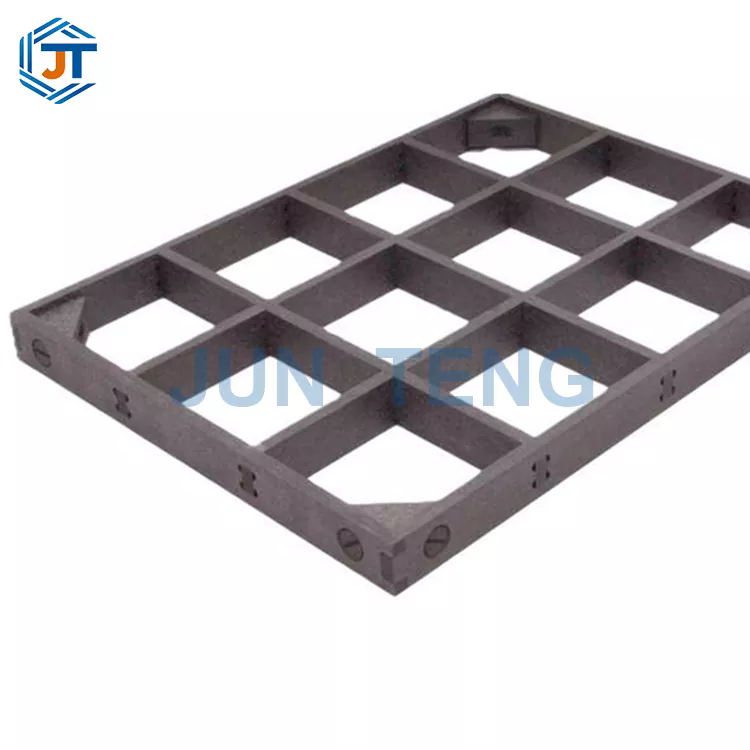
JUNTENG has developed these materials for high-temperature vacuum thermal fields using three-dimensional carbon-fiber weaving, high-pressure impregnation, high-temperature purification, and precision machining. The resulting insulation products are available as rigid carbon-carbon boards and flexible carbon insulation felt, allowing engineers to select the appropriate structure according to furnace geometry and operating conditions.
According to the manufacturer's published product data, the material can withstand temperatures up to 2200°C in an inert environment, while its room-temperature thermal conductivity is listed at approximately 0.12–0.18 W/(m·K). The material can also be customized for thickness, curvature, openings, and irregular furnace components.
Why Does Thermal Insulation Performance Matter in High-Temperature Equipment?
Thermal insulation is more than a protective layer inside a furnace. It directly influences heat distribution, energy consumption, process stability, component service life, and contamination control. In photovoltaic and semiconductor production, even small changes in thermal-field conditions can affect process consistency.
A suitable insulation system should perform several functions simultaneously:
- Reduce heat loss: Low thermal conductivity helps retain heat within the intended processing zone.
- Maintain temperature uniformity: Stable insulation can support a more consistent thermal field.
- Resist thermal cycling: The material should tolerate repeated heating and cooling without excessive cracking or delamination.
- Control contamination: Low ash and low particle release are important for high-purity manufacturing.
- Maintain dimensional stability: Furnace insulation must remain properly positioned during long production cycles.
For this reason, material selection should consider the complete operating environment rather than temperature resistance alone.
How Do Carbon-Carbon Insulation Materials Compare With Conventional Materials?
Different furnace insulation materials have different temperature limits, structures, and contamination characteristics. The following comparison summarizes the manufacturer's published data for JUNTENG C/C insulation material, ordinary carbon felt, and graphite soft felt.
| Performance Parameter | JUNTENG C/C Insulation | Ordinary Carbon Felt | Graphite Soft Felt |
|---|---|---|---|
| Maximum Temperature in Inert Environment | 2200°C | 1400°C | 1100°C |
| Thermal Conductivity at Room Temperature | 0.12–0.18 W/(m·K) | 0.35–0.50 W/(m·K) | 0.42–0.65 W/(m·K) |
| Ash Impurity Content | ≤520 ppm | ≥1500 ppm | ≥2000 ppm |
| Thermal Shock Cycle Life at 1600°C | ≥1500 cycles | Powdering/shedding after about 400 cycles | Cracking/slagging after about 260 cycles |
| Structural Characteristics | Integrated 3D woven structure | Loose fibers | Soft fibrous structure |
| SiC Anti-Oxidation Coating | Available as a customization | Limited | Not equivalent to coated C/C protection |
The figures above are manufacturer-published specifications and should be evaluated alongside actual furnace atmosphere, heating profile, geometry, and process requirements before material selection.
What Are the Key Advantages of Carbon-Carbon Insulation?
Ultra-High Temperature Capability
Carbon-carbon composites are particularly suitable for applications where conventional insulation materials approach their temperature limits. JUNTENG specifies a maximum temperature resistance of 2200°C under inert conditions, making the material suitable for demanding thermal-field environments.
Low Thermal Conductivity
Low thermal conductivity helps reduce unnecessary heat transfer from the furnace's working zone to surrounding structures. Better heat retention can contribute to more stable thermal management and potentially lower energy losses during continuous production.
High Purity and Low Ash Content
Contamination is a major consideration in photovoltaic and semiconductor manufacturing. JUNTENG states that its carbon-carbon materials undergo high-temperature purification at up to 2800°C and that ash content is controlled to ≤520 ppm. This low-impurity approach is intended to reduce unwanted furnace contamination.
Thermal Shock Resistance
Repeated temperature changes can create mechanical stresses inside insulation structures. A three-dimensional continuous-fiber architecture helps provide structural continuity and resistance to delamination and fiber loss during thermal cycling.
Flexible Customization
Furnace insulation rarely follows a single standard geometry. Carbon-carbon boards and flexible felt can be processed according to required thickness, curvature, holes, arcs, and other dimensions. CNC cutting and drilling can therefore help achieve closer dimensional matching with existing thermal-field assemblies.
How Are Carbon-Carbon Thermal Insulation Materials Manufactured?
The performance of carbon-carbon insulation depends heavily on fiber architecture, matrix processing, purification, and final machining. A controlled production process helps establish the material's thermal and structural characteristics.
- 3D Carbon-Fiber Preform: Continuous carbon fibers are three-dimensionally woven to create an integrated reinforcement structure.
- High-Pressure Impregnation: Carbon-based material is introduced into the fiber structure to improve density and matrix integration.
- Carbonization: Controlled heating converts the matrix into a carbon-rich structure.
- High-Temperature Graphitization: JUNTENG uses temperatures up to 2800°C for purification and material treatment.
- Precision Machining: CNC cutting, drilling, polishing, and forming create the required final dimensions.
- Surface Treatment: A SiC anti-oxidation coating can be applied when the intended operating conditions require additional oxidation protection.
- Final Inspection: Appearance, dimensions, and relevant physical and chemical parameters are inspected before shipment.
This integrated approach is particularly valuable when insulation components must meet both high-temperature performance requirements and strict dimensional tolerances.
Where Are Carbon-Carbon Insulation Materials Used?
The material is primarily intended for high-temperature industrial equipment where conventional insulation may not provide sufficient temperature resistance, cleanliness, or thermal-cycle durability.
- Photovoltaic Equipment: Single-crystal furnaces, ingot furnaces, thermal-field side insulation, bottom insulation, and insulation covers.
- Semiconductor Equipment: CVD deposition furnaces, vacuum diffusion furnaces, and high-purity annealing equipment.
- Vacuum Heat Treatment: Vacuum sintering, carbonization, and graphitization furnaces.
- Aerospace Research: High-temperature experimental furnaces and thermal simulation equipment.
- Specialized Thermal Fields: Customized insulation structures for equipment requiring irregular shapes or precision openings.
For semiconductor and photovoltaic applications, material purity is particularly important because particles or ash released inside a furnace can affect sensitive production environments.
How Should You Select the Right Insulation Material?
Choosing a high-temperature insulation material should start with the actual operating conditions rather than simply selecting the material with the highest rated temperature.
| Selection Factor | Questions to Evaluate | Recommended Consideration |
|---|---|---|
| Operating Temperature | What is the continuous and peak temperature? | Choose a material with adequate temperature margin. |
| Atmosphere | Is the furnace under vacuum, nitrogen, argon, or exposed to air? | Consider the appropriate oxidation protection. |
| Geometry | Is the insulation flat, curved, or irregular? | Select rigid board, flexible felt, or CNC-shaped parts accordingly. |
| Purity Requirement | Could particles affect the product? | Prioritize low-ash, high-purity materials. |
| Thermal Cycling | How frequently does the equipment heat and cool? | Evaluate thermal-shock resistance and expected service life. |
| Installation | Are holes, slots, curved sections, or mounting points required? | Provide equipment drawings for customized processing. |
For a customized furnace component, supplying the furnace model, working temperature, atmosphere, insulation dimensions, drawing, and expected service cycle can help the material supplier recommend a more appropriate configuration.
What Should Be Considered During Installation and Use?
Even a high-performance insulation material needs correct handling and installation. Carbon-carbon components should be treated carefully because rigid components can be brittle and may be damaged by impact or concentrated mechanical loading.
- Remove machining dust from the surface before furnace assembly.
- Avoid impact, bending, excessive pressure, and unnecessary friction during handling.
- Use appropriate carbon-carbon fasteners and gaskets when assembling rigid insulation components.
- Allow suitable expansion clearance when constructing multilayer insulation systems.
- Use oxidation-resistant treatment when operating conditions expose the material to high-temperature oxygen.
- Keep unused insulation dry and properly ventilated during storage.
- Consider gradual preheating when installing new material to reduce the risk associated with retained moisture.
Operating conditions vary significantly between furnaces, so the supplier's technical recommendations should always be considered together with the equipment manufacturer's requirements.
Frequently Asked Questions
Q1: What is the difference between carbon-carbon insulation and ordinary carbon felt?
Carbon-carbon insulation uses an integrated carbon-fiber composite structure, while ordinary carbon felt consists primarily of a looser fibrous structure. According to JUNTENG's published specifications, its C/C insulation offers higher temperature resistance, lower thermal conductivity, lower ash content, and greater thermal-cycle resistance than the compared conventional materials.
Q2: Should I choose a rigid carbon-carbon board or flexible insulation felt?
Rigid carbon-carbon boards are generally appropriate for fixed furnace linings and areas requiring dimensional stability. Flexible carbon insulation felt can be more suitable for curved surfaces, irregular geometries, and gap-filling applications. The final selection should be based on the furnace structure and installation method.
Q3: Can carbon-carbon insulation be customized?
Yes. JUNTENG states that its insulation products can be customized in thickness, curvature, openings, arcs, and other irregular shapes. CNC cutting and drilling can also be used when components need to match specific furnace drawings.
Q4: Can carbon-carbon insulation be used in an oxygen-rich environment?
Carbon-based materials require careful consideration in oxidizing environments. JUNTENG offers optional SiC anti-oxidation coatings for applications requiring additional oxidation protection. The appropriate coating and operating limits should be confirmed according to the actual atmosphere and temperature.
Q5: What information should I provide when requesting a quotation?
Useful information includes operating temperature, furnace atmosphere, vacuum level if applicable, insulation dimensions, required thickness, shape, mounting holes, expected thermal cycles, application, and annual or batch quantity. A technical drawing is especially helpful for customized components.
Conclusion
Carbon-carbon insulation offers a combination of high-temperature resistance, low thermal conductivity, thermal-shock resistance, structural stability, and high-purity characteristics that can be valuable in advanced thermal-field applications. JUNTENG supports both standard and customized insulation configurations, including rigid boards, flexible felt, precision-machined components, and optional SiC anti-oxidation treatment. For photovoltaic, semiconductor, vacuum heat-treatment, and other high-temperature equipment, selecting insulation according to temperature, atmosphere, geometry, purity requirements, and thermal cycling can help create a more reliable thermal-field system.
If you are planning a new furnace, replacing conventional insulation, or developing a customized thermal-field assembly, share your operating conditions and component drawings with JUNTENG for technical evaluation and a suitable material proposal. Contact us today to discuss specifications, customized carbon-carbon insulation solutions, samples, and bulk purchasing requirements.