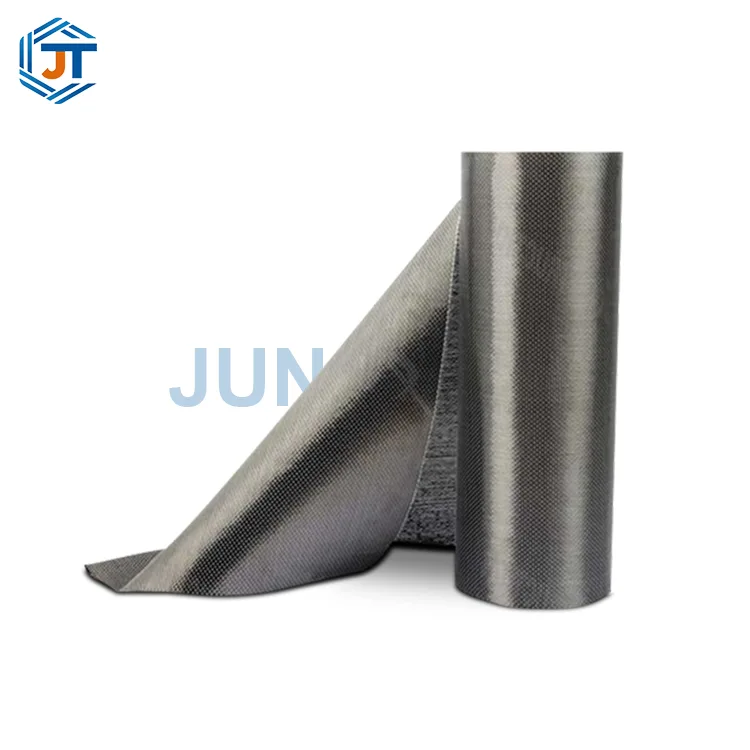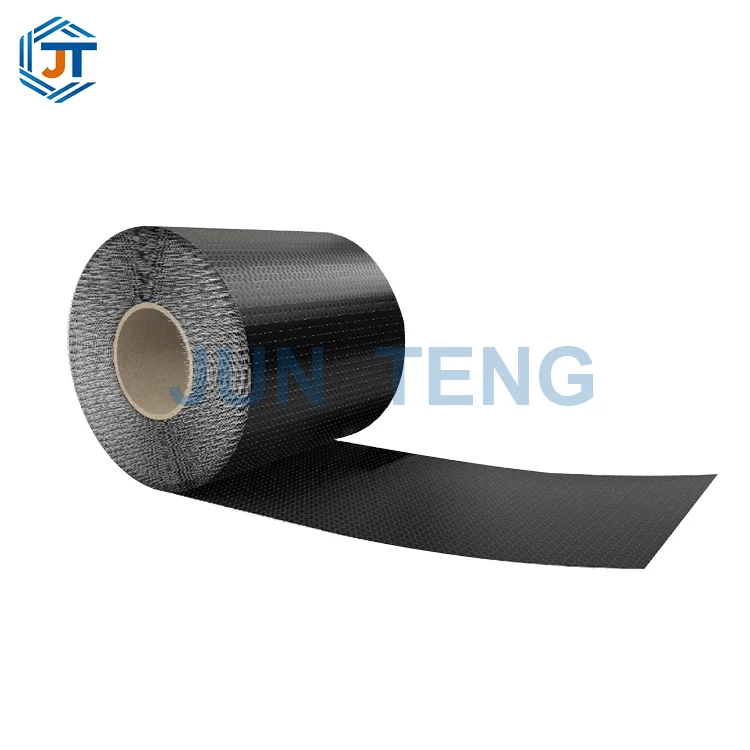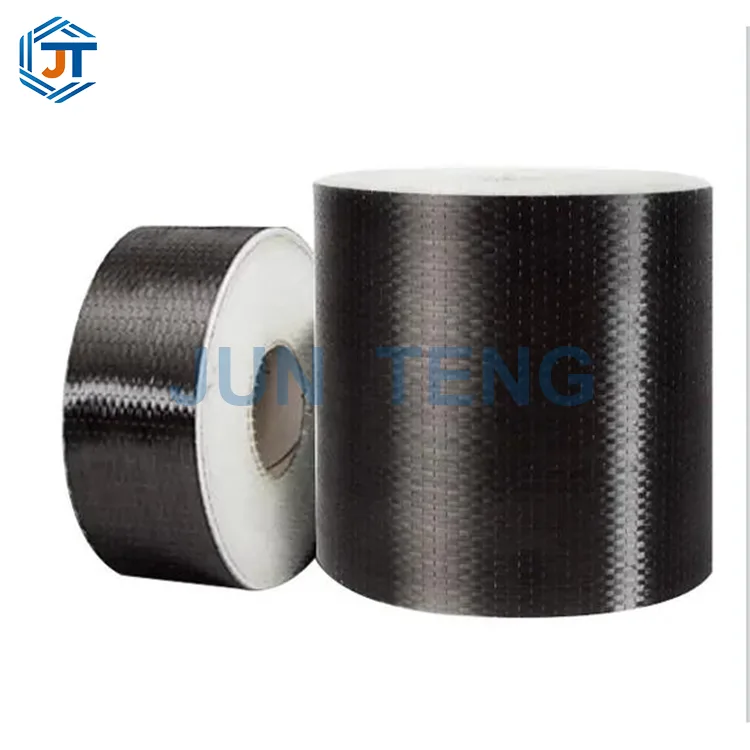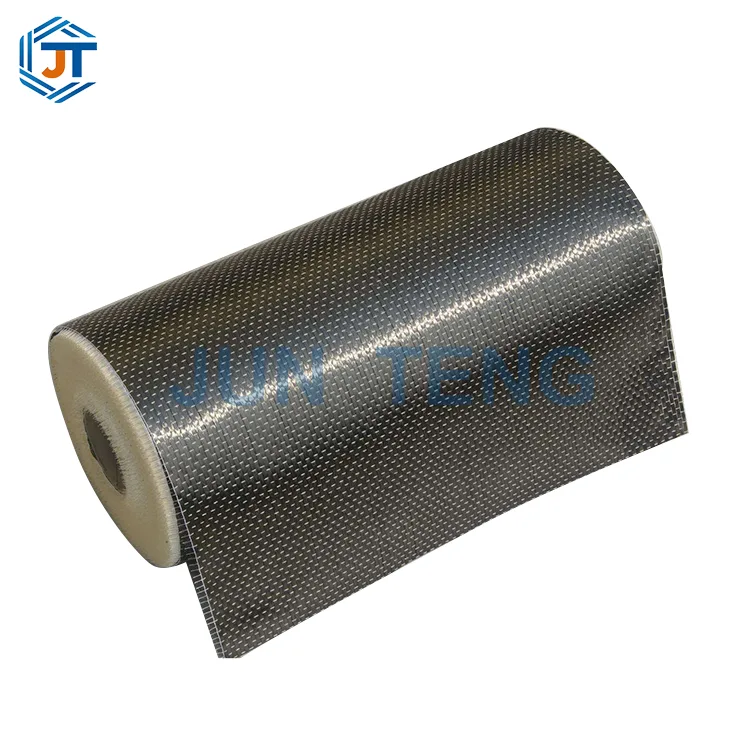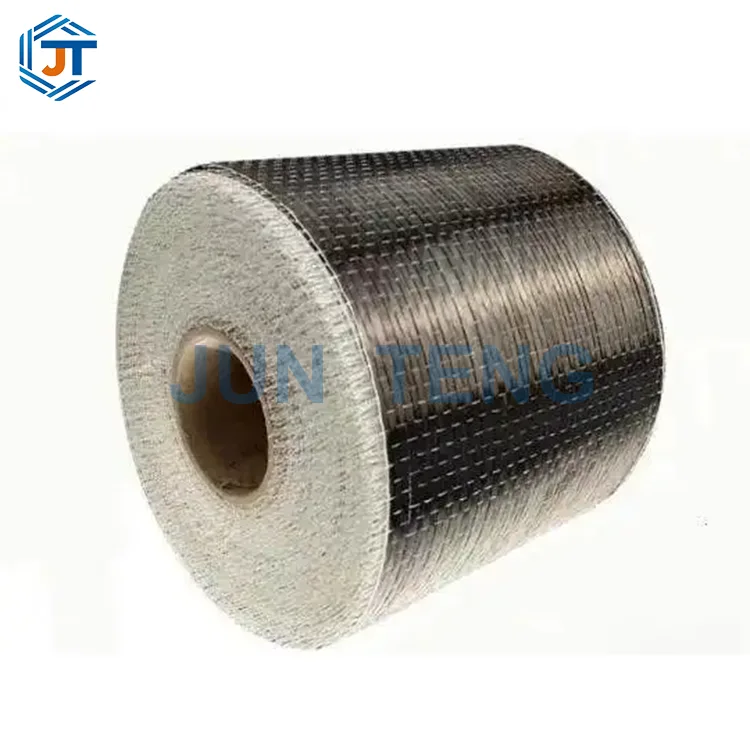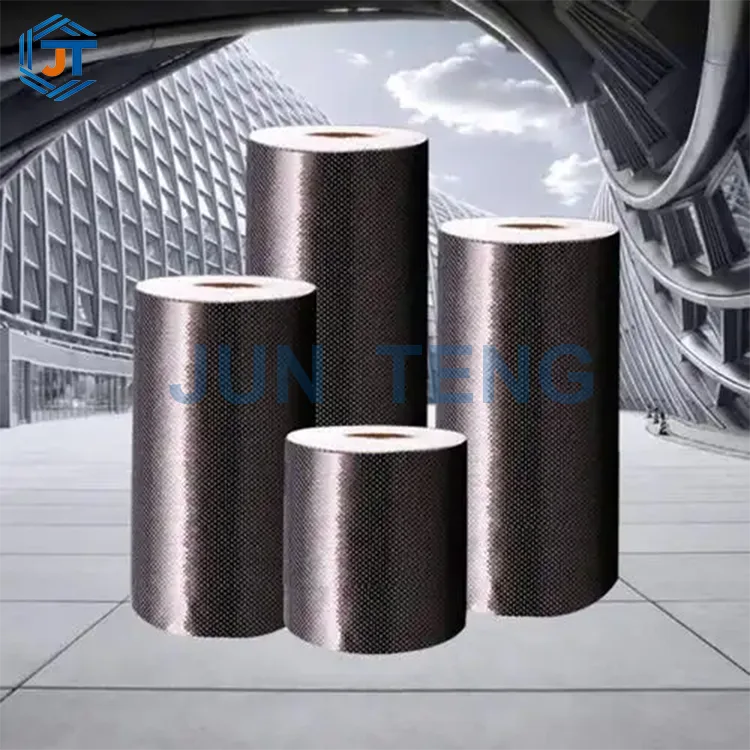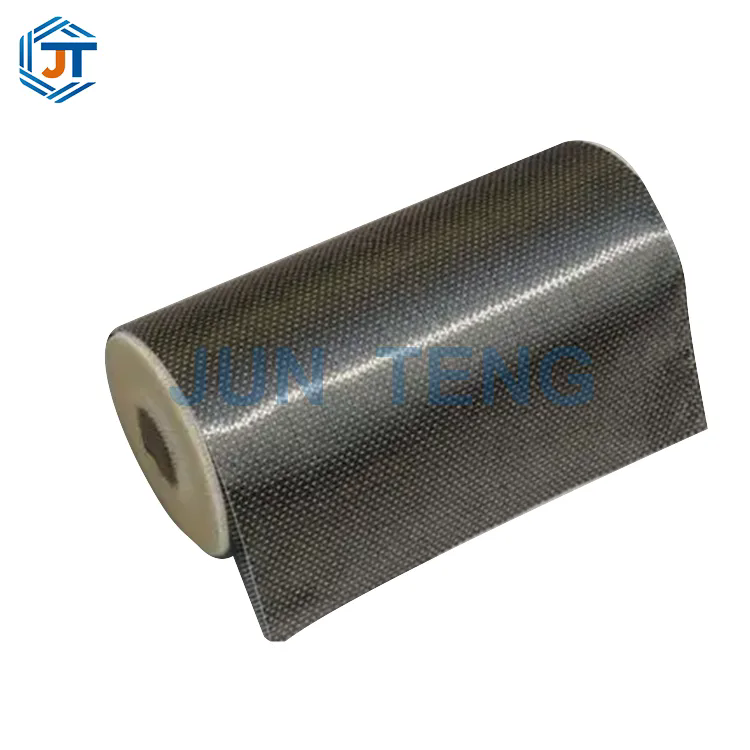

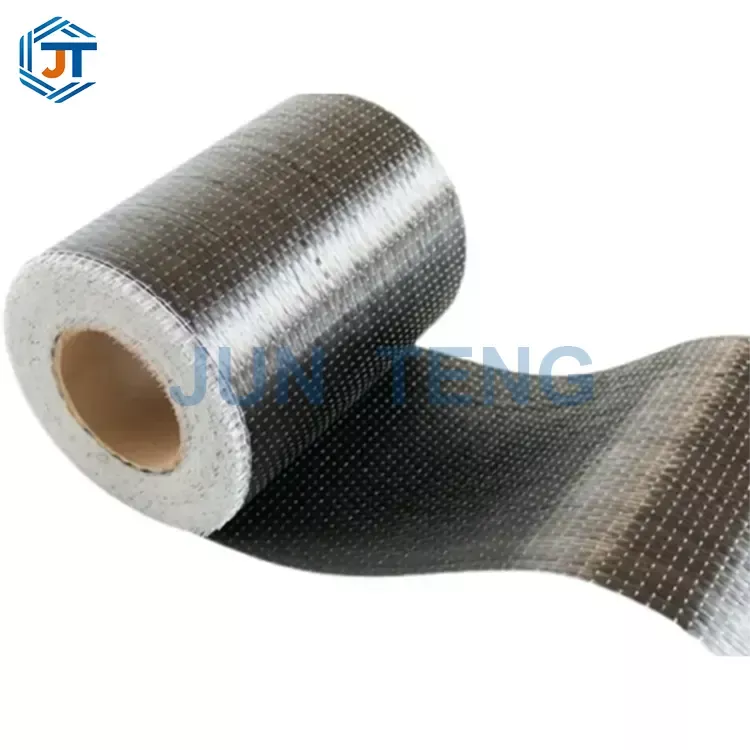


200g Unidirectional Carbon Fiber Fabric
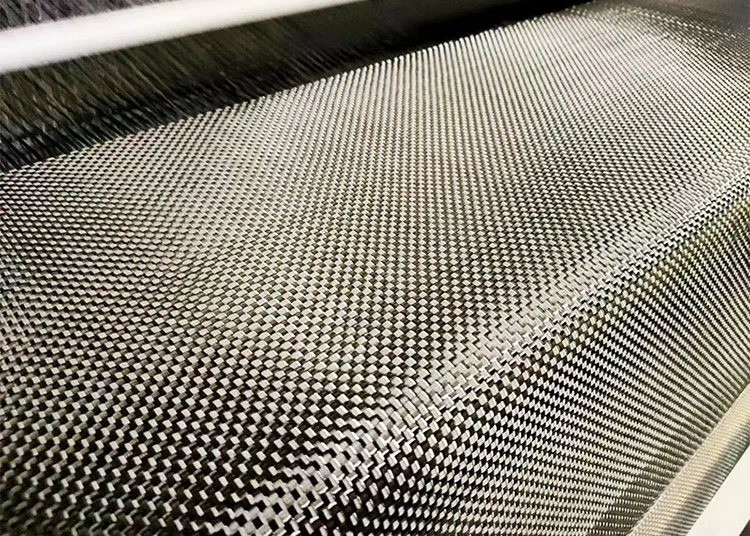
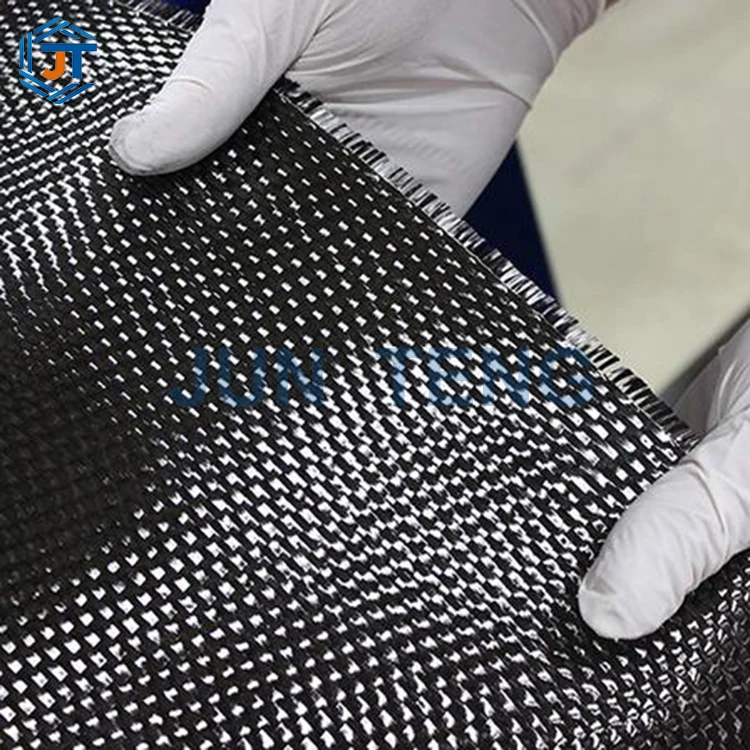
JUN TENG is a direct-sale manufacturer of carbon fiber at the source. Our national standard Grade I 200g Unidirectional Carbon Fiber Fabric is woven using 12K brand-new PAN-based precursor fibers. Its mechanical properties meet the GB50367 national standard, featuring lightweight, high strength, corrosion resistance, and ease of construction. It is suitable for conventional reinforcement of beams in buildings, bridges, and other structures. Our factory maintains a large inventory of stock, supports wholesale and retail sales, and offers personalized customization of specifications.
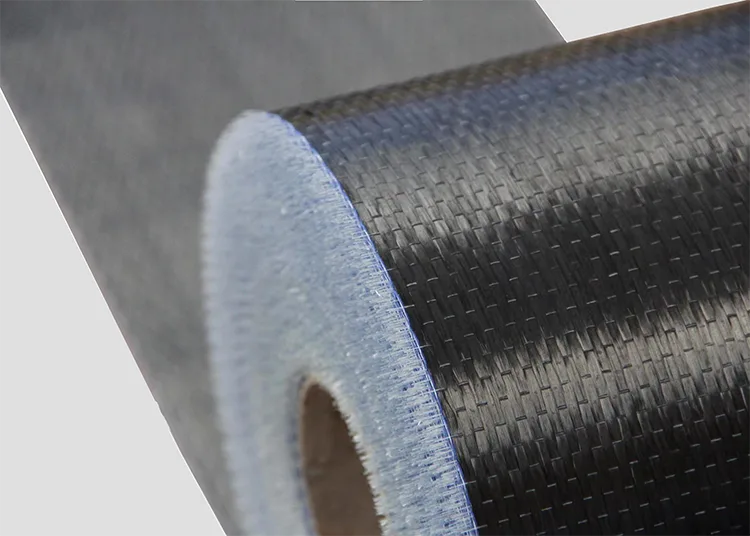
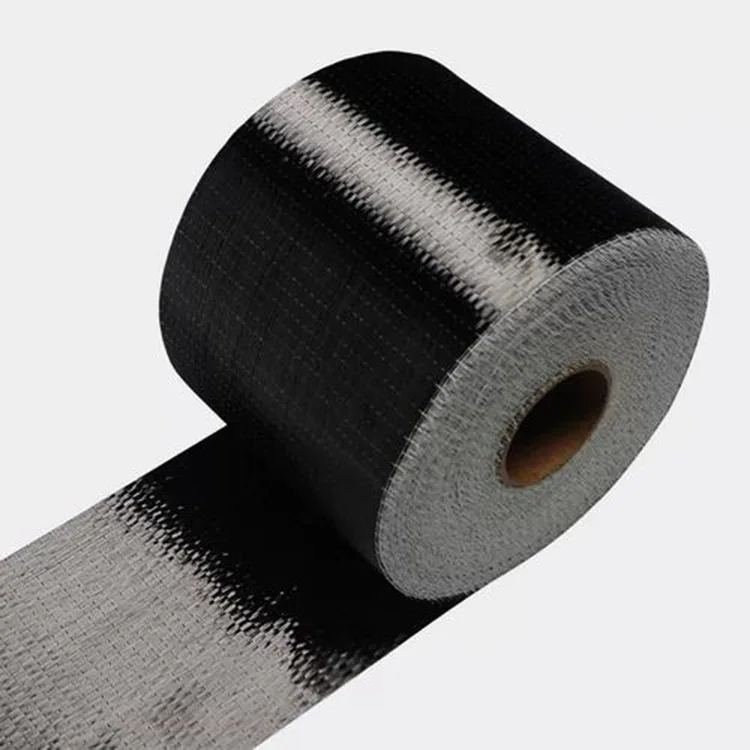
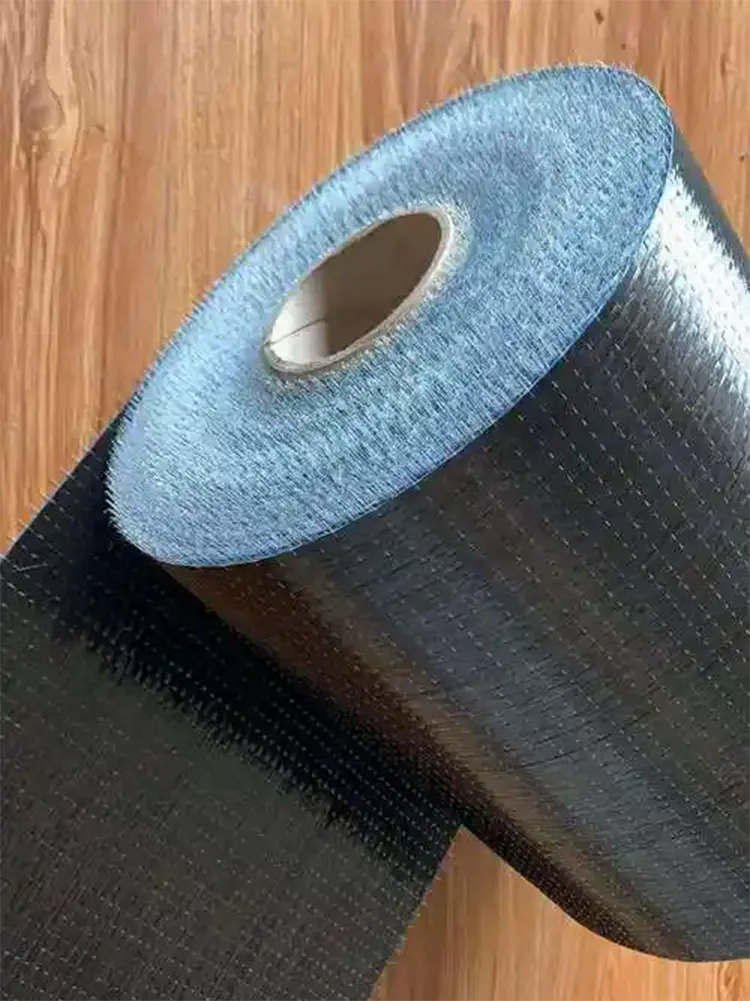
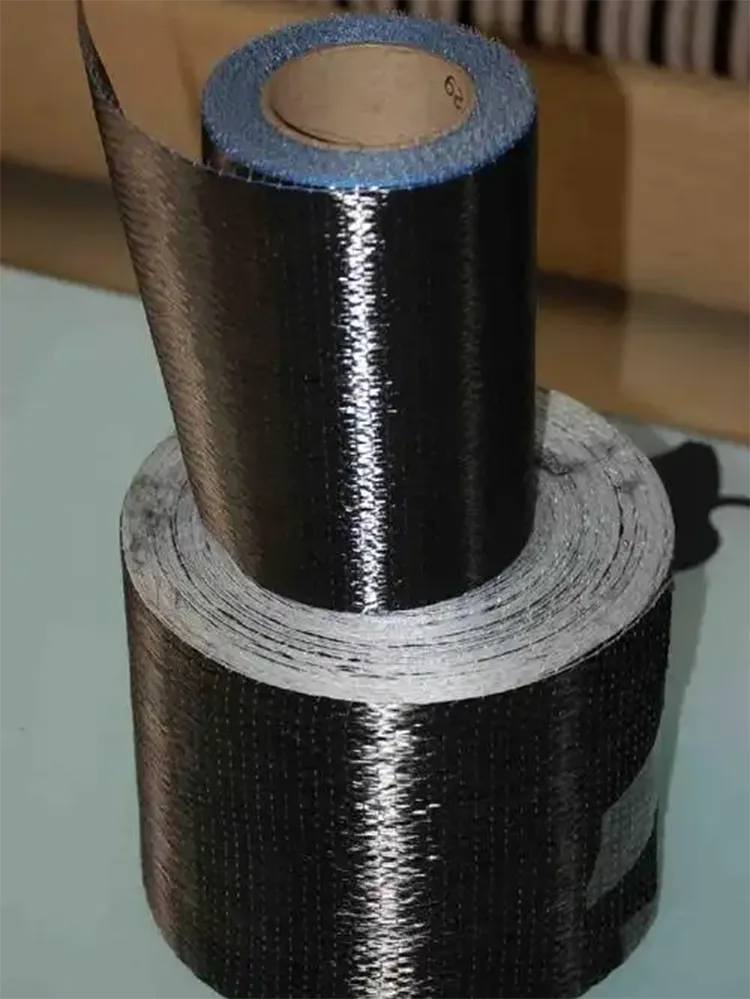
200g Unidirectional Carbon Fiber Fabric is a specialized continuous carbon fiber fabric for building reinforcement, industrial component strengthening, and equipment lightweighting. It is woven from 12K large-tow imported PAN-based carbon fiber precursor through directional warping and sizing processes. Our brand boasts 18 years of experience in composite material production and reinforcement engineering implementation. Our products have passed mechanical property sampling inspections conducted by building material testing institutions and are compatible with national standards for concrete structure reinforcement and mechanical lightweight component processing. Unlike the commonly used plain weave carbon cloth on the market, the unidirectional fabric features concentrated fiber arrangement along the warp direction, offering stronger load transfer capability. It exerts its high strength advantage only in the direction of stress, significantly reducing redundant material loss. It is the preferred substrate for load-bearing components, beam and floor reinforcement, and lightweight modification of robotic arms.

Product Core Parameter Table
|
Item |
Standard Spec |
Test Standard |
|
Areal Density |
200g/㎡(Tolerance ≤ ±5g/㎡) |
GB 50367-2013 |
|
Weaving Structure |
Unidirectional warp weaving with auxiliary fixed weft fibers |
Composite Weaving Industry Standard |
|
Standard Tensile Strength |
≥3400MPa |
Code for Design of Strengthening Concrete Structures |
|
Elastic Modulus |
≥2.35×10⁵MPa |
GB/T 1447-2005 |
|
Elongation at Break |
1.7%~2.0% |
Third-Party Mechanical Testing Standard |
|
Standard In-Stock Width |
100mm, 200mm, 300mm, 500mm |
Factory Standard Delivery Size |
|
Roll Length |
100m per roll; customized length available |
OEM Customization Standard |
|
Temperature Resistance Range |
Long-term service: -40℃~120℃; Short-term resistance: 180℃ |
Thermal Aging Resistance Test Report |
|
Resin Compatibility |
Matches epoxy impregnating resin, structural building adhesive and composite resin |
Building Material Adhesion Performance Test |
|
Packaging Specification |
Sealed with waterproof plastic film and rigid paper tube for moisture & extrusion protection |
Export Foreign Trade Packaging Standard |
Analysis of Diversified Processes
1. Core technology of directional warping: Ordinary bidirectional carbon fiber fabric features uniform distribution of fibers in both warp and weft directions, maintaining equal strength in both directions. However, 200g Unidirectional Carbon Fiber Fabric only features high-density 12K carbon fibers arranged in the warp direction, with extremely fine glass fiber yarns used for temporary fixation in the weft direction. After curing, the weft yarns do not bear structural loads. When the component only experiences unidirectional tensile force and bending moment, the 200g unidirectional fabric can concentrate all its tensile properties on the stress axis. Under the same reinforcement capacity, the material usage is 32% less than that of 300g unidirectional fabric, resulting in lower self-weight load. It is suitable for reinforcing thin-section components of floors and bridges.
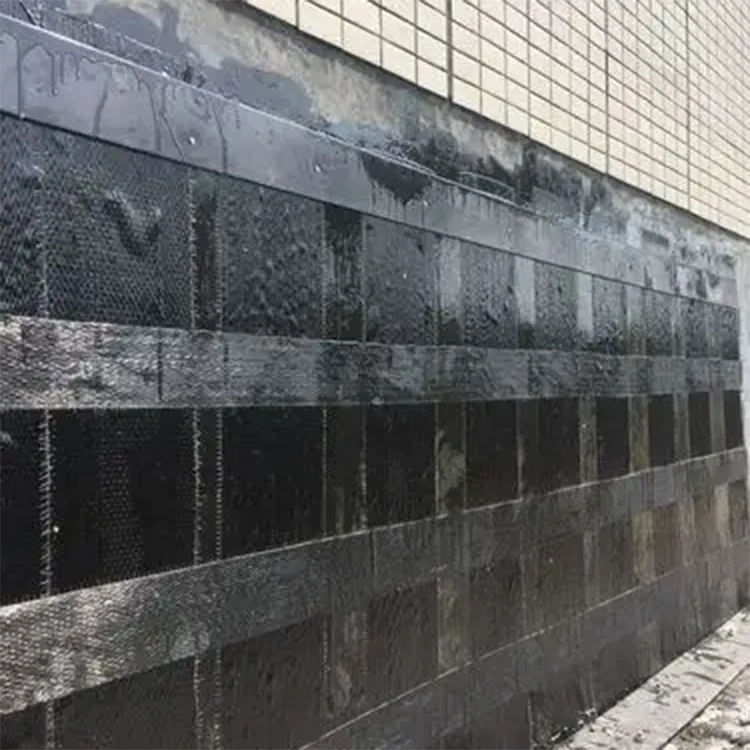
2. Special epoxy compatible sizing treatment: The high-temperature passivation and sizing process is completed at the factory, and the sizing formula is matched with domestic/imported epoxy resin impregnation adhesive, solving the common problems of delamination and insufficient impregnation in low-priced carbon cloth. The 200g thin-weight fabric has uniform pores, and the impregnation thickness can be controlled at 0.18~0.22mm. After construction, the surface of the component is smooth and free of bumps, without increasing the thickness of the structural facade. It can be directly used for facade reinforcement in old residential areas and lightweight design of precision machinery housings.
3. Logic for low-weight adaptation to segmented scenarios. Within the industry, 300g and 400g unidirectional carbon cloth are mostly used for heavy-load bridges and heavy-duty factory building columns; 200g belongs to lightweight reinforcement specifications, specifically designed for small and medium-load scenarios. For scenarios such as residential floor cracking, secondary beam bending reinforcement, small hydraulic equipment casings, lightweight drone mounts, and yacht thin shell reinforcement, 200g has a thinner thickness, better bending fit, lower difficulty in manual construction and paving, and can be completed by a single person for large-area roll coating and impregnation operations.
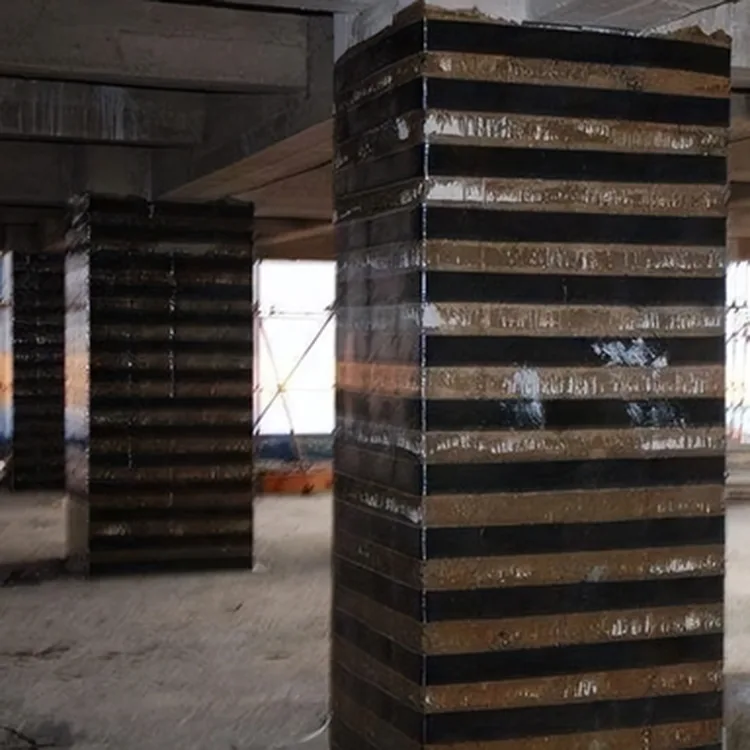
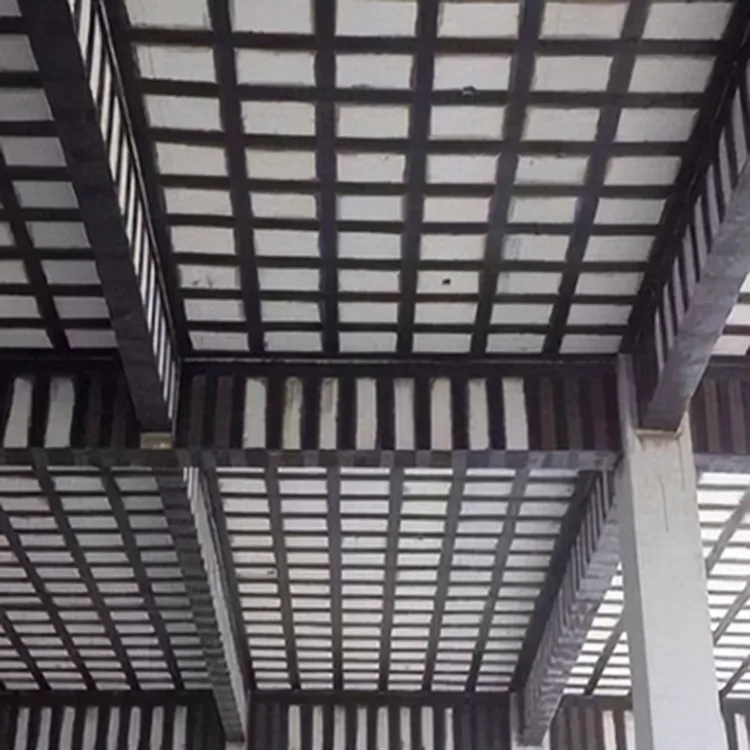
Commonly used applications in various fields
Scenario 1: Reinforcement of building concrete structures (mainstream in civil and industrial applications)
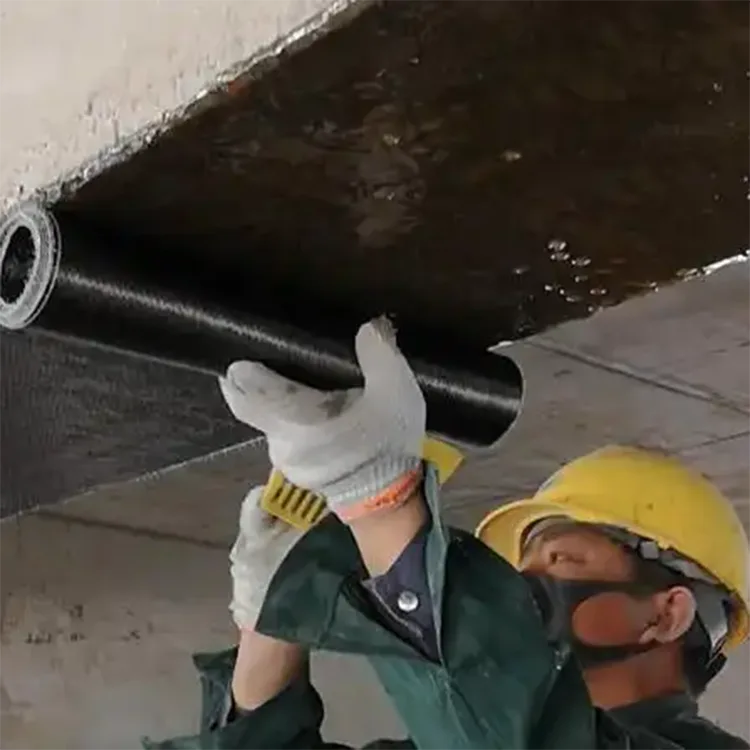
For the repair of residential cast-in-place floor slabs with insufficient load capacity, balconies with downward deflection, and minor cracks in beam bodies, 200g Unidirectional Carbon Fiber Fabric is preferred. The thin and lightweight fabric exhibits high flexibility, allowing it to conform perfectly to the rounded corners of beams and columns, as well as uneven surfaces. After being impregnated and cured, it enhances the bending and shear bearing capacities of the components. There is no need to remove large areas of existing concrete, shortening the construction period. Furthermore, indoor reinforcement does not affect the space for laying suspended ceilings or floor heating.
Scenario 2: Lightweight transformation of industrial components
Small automated equipment robotic arms, new energy battery casings, small partitions for ships, and replacement metal parts for sports equipment brackets. Unidirectional Carbon Fiber Fabric is laminated with multiple layers and molded, resulting in an overall weight reduction of 60% compared to steel. The unidirectional fiber arrangement allows for plies to be laid along the direction of component stress, eliminating local stress concentration and enhancing equipment endurance and sports flexibility.
Scenario 3: Niche scenario of maintenance and reinforcement
Repair of cracks in fiberglass hulls, reinforcement of aluminum alloy mold surfaces, and local repair of small wind turbine blades. The 200g thin unidirectional cloth penetrates the colloid quickly, and after curing, there is no thick bulge. The repair area has high flatness and does not damage the original shape and dimensions of the equipment.
Practical Guide for Construction and Warehousing
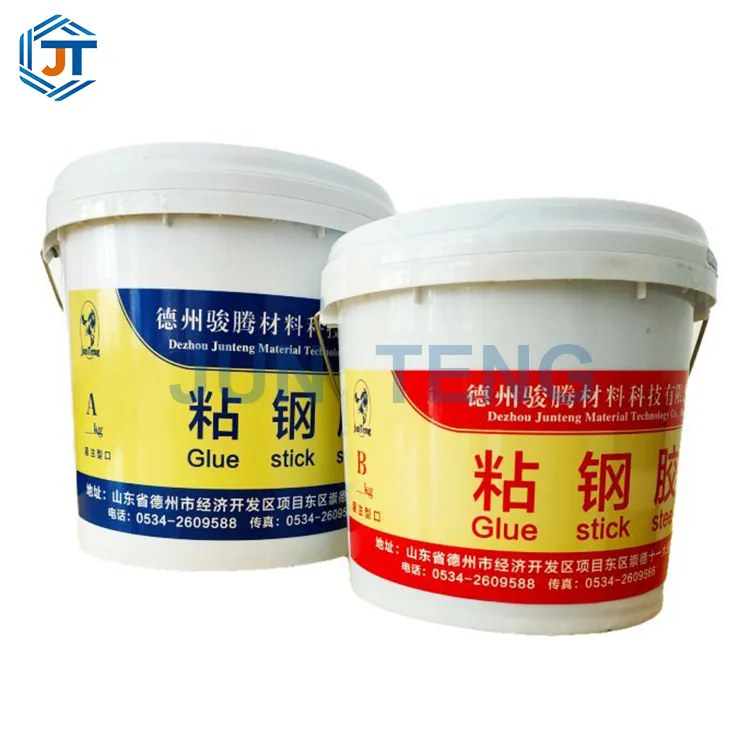
1. Construction matching: Unidirectional Carbon Fiber Fabric must be matched with epoxy resin impregnating adhesive. After grinding and dust removal of the base surface, evenly apply primer, then lay the carbon cloth, and roll it repeatedly with a roller to eliminate bubbles. The standard amount of impregnating adhesive for a single layer is 0.6~0.8kg/㎡; for multi-layer reinforcement, the next layer should be laid after the initial setting of the previous layer of adhesive.
2. Key points for avoiding storage pitfalls: The entire roll of carbon cloth should be stored in a dark, dry environment, away from acid and alkali solvents. Folding and heavy pressure are prohibited, as this may cause the directional fibers to break, directly reducing the tensile strength. When cutting, use hard alloy cutters to avoid fiber breakage caused by pulling with scissors.
3. Shopping tips to avoid pitfalls: Low-priced 200g carbon cloth on the market is often made of recycled short-cut carbon fibers, resulting in severe attenuation of tensile strength; 200g Unidirectional Carbon Fiber Fabric is made entirely from brand-new continuous 12K precursor fibers, with mechanical testing reports included in each batch. Purchasers can request sampling data simultaneously. It is suitable for engineering and manufacturing enterprises with stringent requirements for structural safety and product durability.
Unidirectional Carbon Fiber Fabric, as a lightweight unidirectional reinforcement substrate, relies on three core advantages: directional fiber weaving, stable mechanical properties, and adaptability to small and medium-sized load scenarios. It balances cost-effectiveness in engineering construction with convenience in industrial molding and processing. Different from general multi-specification carbon cloth introductions, 200g Unidirectional Carbon Fiber Fabric precisely targets thin unidirectional stress reinforcement needs, comes with complete testing data and standardized construction plans. Whether it is for building reinforcement engineering companies, composite material processing factories, or equipment maintenance manufacturers, corresponding practical implementation plans can be matched, balancing short-term construction costs with long-term structural stability.
FAQ
Q1: What is the difference between 200g and 300g unidirectional carbon fiber fabric? How do I choose?
The main difference lies in areal weight and load-bearing capacity per unit width. The 200g fabric has a thickness of approximately 0.111 to 0.113 mm and offers a tensile capacity of over 340 kN/m, making it ideal for light to medium-load applications such as residential floor slabs, secondary beams, small equipment housings, drone frames, and yacht hull repairs. It is more flexible and easier to handle on curved surfaces and tight corners, and can be installed by a single worker.
The 300g fabric, by contrast, is approximately 0.167 to 0.169 mm thick with a tensile capacity exceeding 560 kN/m. It is designed for heavy-load projects including bridge girders, industrial plant columns, heavy equipment foundations, and seismic retrofitting, but requires more skill for complex shapes.
As a general rule, choose 200g for conventional reinforcement projects where load increase requirements are moderate and construction flexibility is a priority. Choose 300g for heavy-load projects where a single layer must replace multiple layers of 200g to significantly reduce labor and construction time.
Q2: Does this 200g fabric meet Chinese national standards for structural reinforcement?
Yes. Our 200g unidirectional carbon fiber fabric fully complies with GB50728-2011 (Technical Code for Safety Appraisal of Reinforcement Materials for Engineering Structures) and GB50367-2013 (Code for Design of Strengthening Concrete Structure). The mechanical properties—including tensile strength, elastic modulus, elongation at break, and interlaminar shear strength—all meet or exceed the Grade I requirements specified in GB50728-2011. Every production batch undergoes rigorous internal testing before being verified by a third-party national-level testing agency, and we provide complete test reports with every shipment to support supervision inspections and project filings.
Q3: Is the free sample identical in quality to a bulk production order?
Absolutely. Our free samples are cut directly from finished stock rolls that are ready for shipment. There is no difference whatsoever in raw materials, weaving process, or mechanical properties between the sample and bulk-order products. We fully support third-party testing of our samples, and if the actual measured values from any accredited testing institution do not match our factory reports, we offer a full refund and cover all testing costs.
Q4: Can I purchase and use this product if I have no prior carbon fiber construction experience?
Yes. We understand that many contractors and workshop owners are new to carbon fiber reinforcement, which is why we provide complimentary hands-on training courses led by senior structural engineers. These courses cover the entire process—from substrate preparation and adhesive mixing to fabric application, void detection, and final inspection. Additionally, every order includes detailed application instructions and access to our 24/7 technical support team. Even absolute beginners can achieve standard-compliant results with our guidance.
Q5: Can you customize the width and length? Is there a minimum order quantity?
Yes, we support full customization of both width and length through precision slitting. For standard stock specifications (100mm, 200mm, 300mm, and 500mm widths), there is no minimum order quantity—you can order as little as a few meters. For custom sizes, we can produce starting from a single roll. We also support OEM private-label packaging for international buyers and large contractors.
Q6: How should the carbon fiber fabric be stored to maintain its performance?
To preserve optimal mechanical properties, the fabric should be stored in a dark, dry environment away from direct sunlight, moisture, and acid or alkali solvents. The entire roll must be kept flat and must never be folded or subjected to heavy pressure, as this can cause fiber breakage and directly reduce tensile strength. When cutting, always use carbide-tipped cutters rather than scissors, as pulling or shearing can damage the directional fibers. Under proper storage conditions, the shelf life is 12 months at room temperature.
Hot Tags: 200g Unidirectional Carbon Fiber Fabric
Send Inquiry
Contact Info
-
Address
East of Chongde 11th Road, East Zone, Economic and Technical Development Zone Project, Dezhou City, Shandong Province, China
-
Tel
-
E-mail
Welcome global purchasers to submit your demand via this inquiry page of JUN TENG carbon fiber supplier in China. You can leave your requirements on carbon fiber reinforcement fabric, woven carbon fiber fabric, carbon-carbon materials, specification customization, sample service and bulk order price. Our professional engineers will reply with tailored solutions and quotation within 24 hours.