
How Does Unidirectional Carbon Fiber Fabric Improve Composite Performance?
Article Summary
Unidirectional carbon fiber fabric has become an essential reinforcement material for advanced composite applications because it provides exceptional strength, stiffness, lightweight performance, and directional reinforcement capabilities. However, many manufacturers still face challenges such as selecting the right fiber orientation, improving structural reliability, reducing production costs, and achieving consistent composite quality. This article explains how unidirectional carbon fiber fabric works, why it is widely used in aerospace, automotive, sports equipment, marine structures, and industrial applications, and how choosing a reliable supplier like JUNTENG can help customers develop better composite solutions.
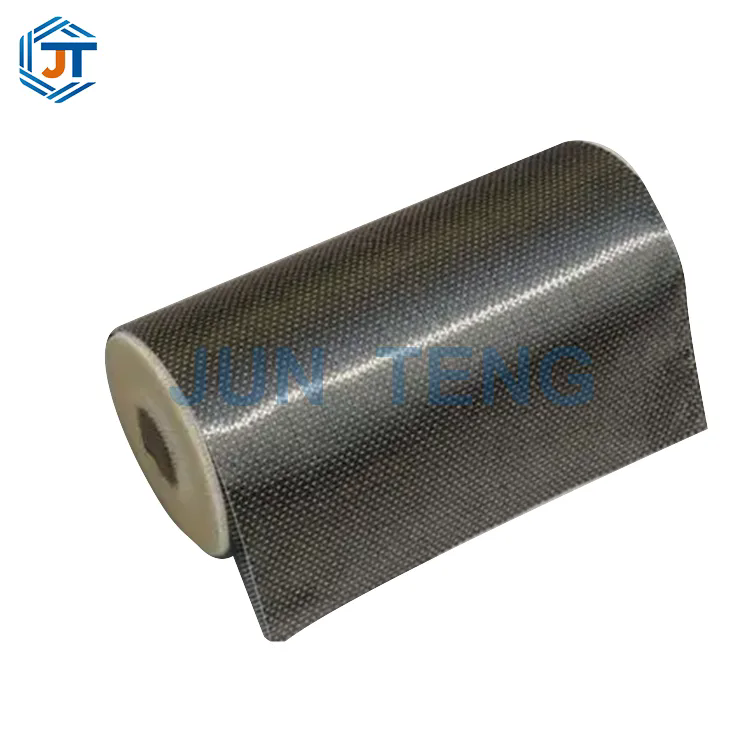
Table of Contents
- 1. What Is Unidirectional Carbon Fiber Fabric?
- 2. How Does Unidirectional Carbon Fiber Fabric Work?
- 3. What Advantages Does Unidirectional Carbon Fiber Fabric Provide?
- 4. Where Is Unidirectional Carbon Fiber Fabric Used?
- 5. How Can You Select the Right Unidirectional Carbon Fiber Fabric?
- 6. Comparison Between Unidirectional Carbon Fiber Fabric and Other Reinforcement Materials
- 7. Why Quality Control Matters for Unidirectional Carbon Fiber Fabric?
- 8. Why Choose JUNTENG for Unidirectional Carbon Fiber Fabric Solutions?
- 9. Frequently Asked Questions
1. What Is Unidirectional Carbon Fiber Fabric?
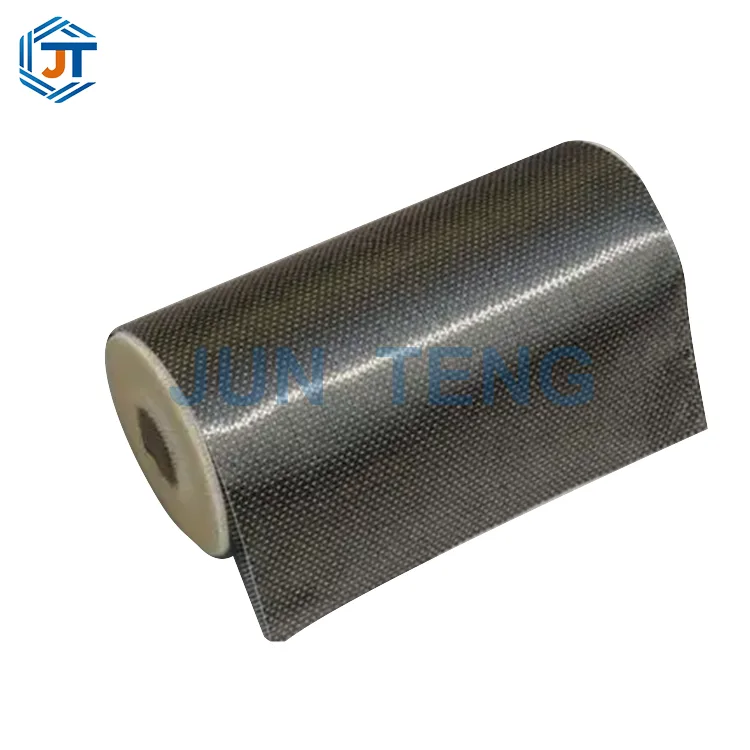
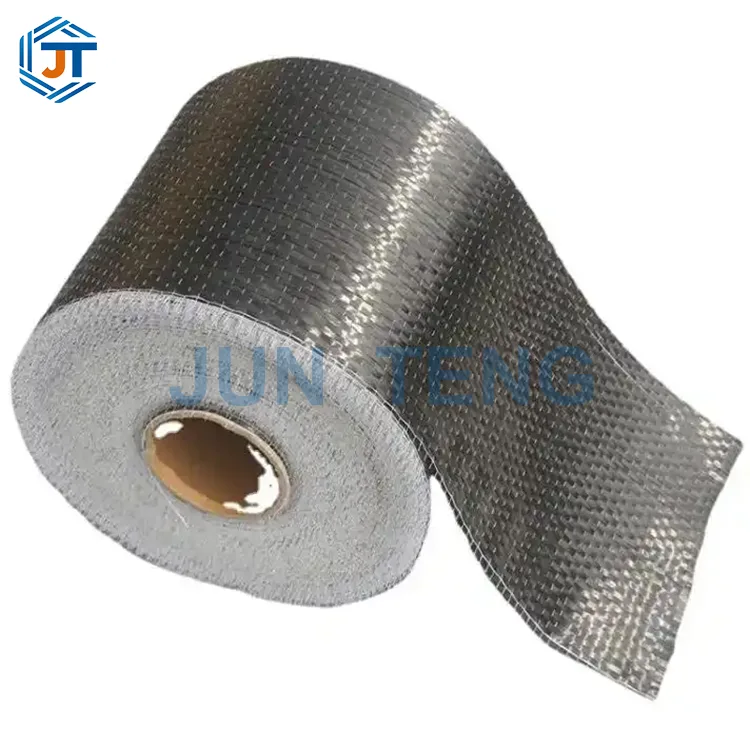
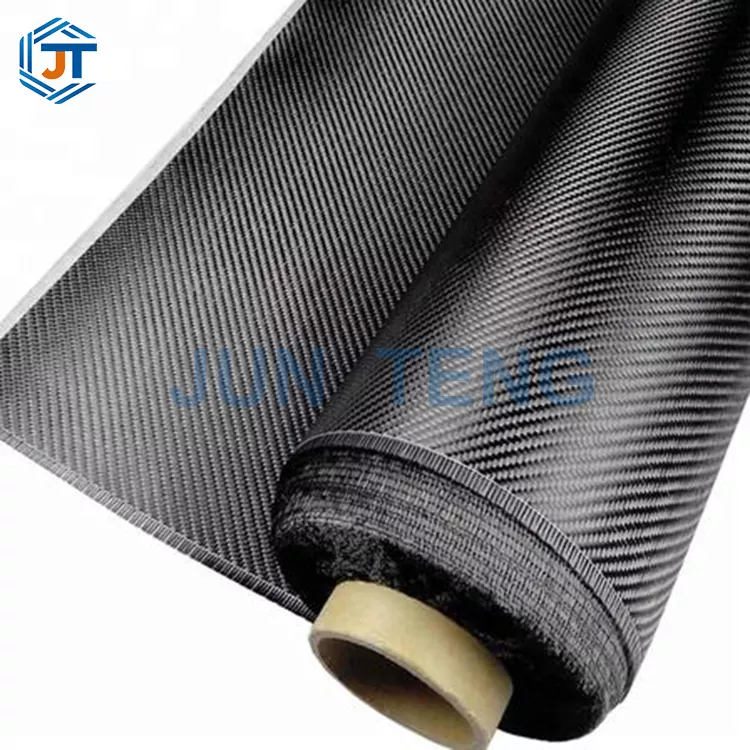
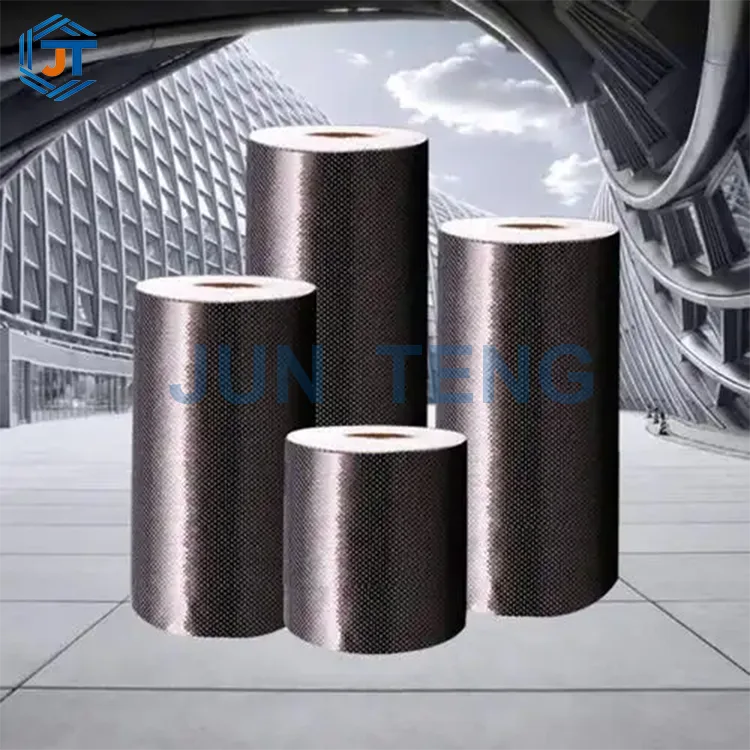
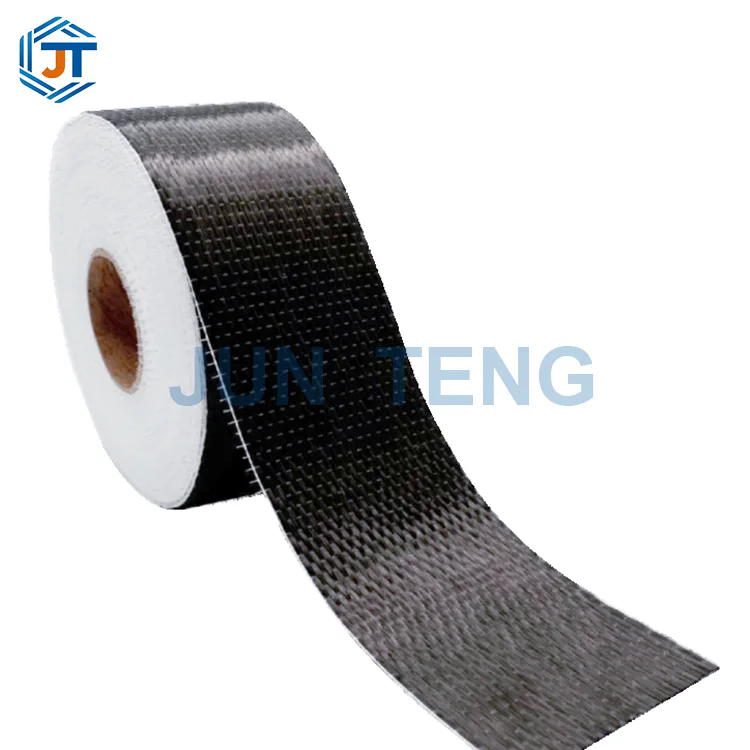
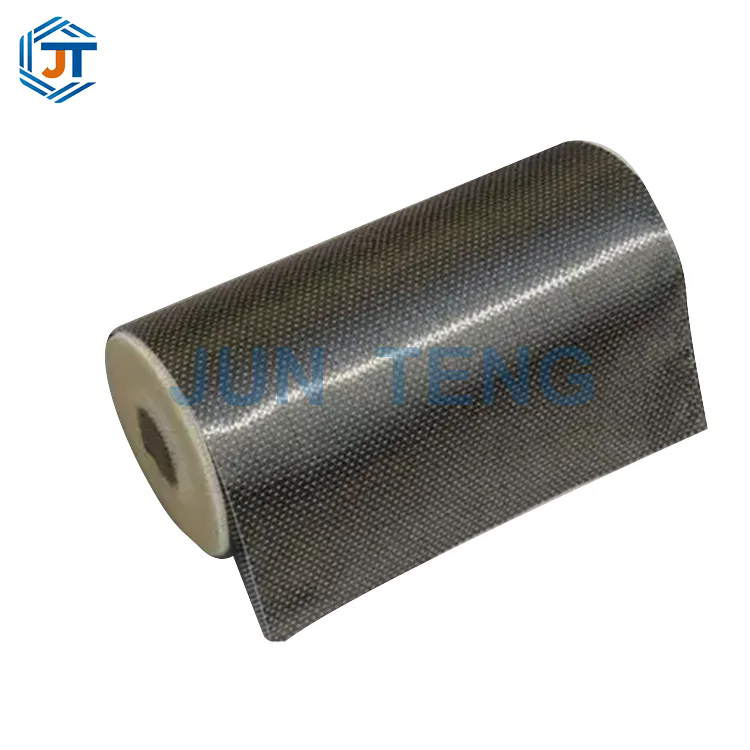
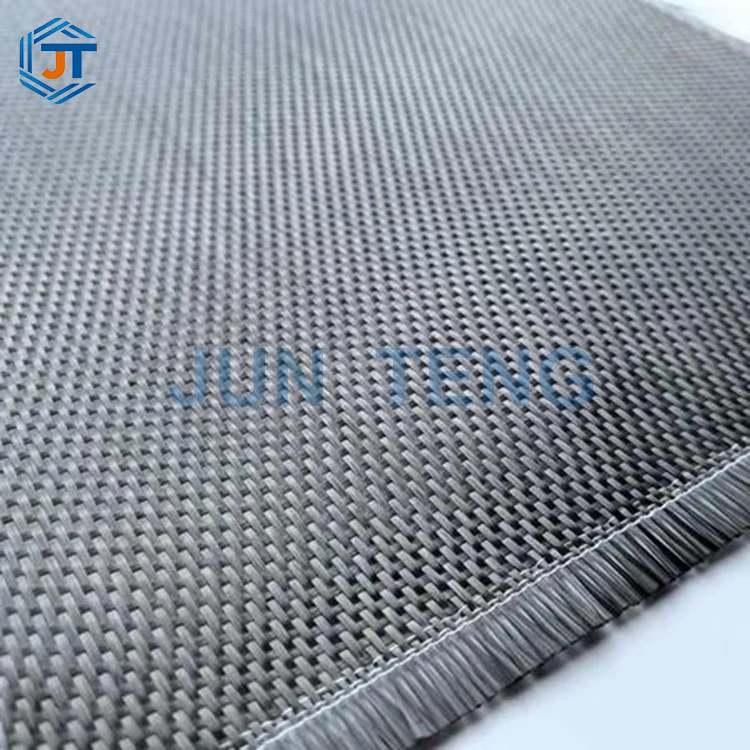
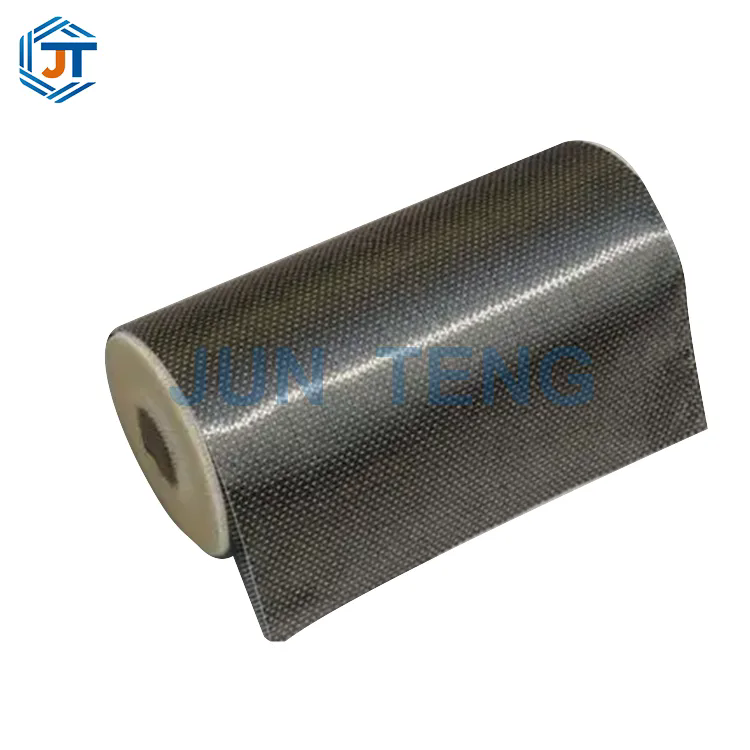
Unidirectional carbon fiber fabric is an advanced composite reinforcement material where most carbon fibers are arranged in a single direction. Unlike woven carbon fiber fabrics, which have fibers crossing in multiple directions, unidirectional fabrics concentrate the majority of fibers along one primary axis. This structure allows engineers to achieve maximum mechanical performance in the direction where loads are applied.
Because carbon fibers naturally provide outstanding tensile strength and stiffness, aligning them in one direction helps reduce unnecessary material weight while improving structural efficiency. This makes unidirectional carbon fiber fabric a preferred choice for applications requiring high strength-to-weight ratios.
The product is commonly combined with epoxy resin or other matrix materials to create carbon fiber reinforced polymer composites. These composite structures deliver excellent durability while maintaining low weight, making them valuable for industries where performance and efficiency are critical.
| Feature | Description |
|---|---|
| Fiber Direction | Mainly aligned in one direction for maximum reinforcement efficiency |
| Main Material | High-strength carbon fibers |
| Weight Advantage | Lightweight compared with traditional metal reinforcement materials |
| Mechanical Performance | Excellent tensile strength and stiffness |
| Common Processing | Composite molding with resin systems |
2. How Does Unidirectional Carbon Fiber Fabric Work?
The working principle of unidirectional carbon fiber fabric is based on directional load transfer. When external forces act on a composite structure, the aligned carbon fibers efficiently carry tensile stress along their length. Since carbon fibers have extremely high strength in their longitudinal direction, arranging them according to the expected load path improves overall structural performance.
During composite manufacturing, the unidirectional carbon fiber fabric is impregnated with resin. The resin bonds the fibers together, protects them from environmental damage, and transfers stress between individual fibers. Once cured, the combination creates a rigid composite component with excellent mechanical properties.
For engineers, the key advantage is design flexibility. Multiple layers of unidirectional carbon fiber fabric can be stacked at different angles to create customized structures capable of handling complex loading conditions.
- Improves load-bearing capability in targeted directions
- Reduces unnecessary material usage
- Allows customized laminate designs
- Enhances fatigue resistance of composite structures
- Supports lightweight engineering requirements
3. What Advantages Does Unidirectional Carbon Fiber Fabric Provide?
Modern industries increasingly require materials that combine strength, durability, and lightweight characteristics. Unidirectional carbon fiber fabric meets these requirements by offering several important benefits.
| Advantage | Benefit for Customers |
|---|---|
| High Tensile Strength | Provides reliable reinforcement for demanding structural applications |
| Low Weight | Helps reduce total product weight and improve efficiency |
| Excellent Stiffness | Maintains structural stability under heavy loads |
| Corrosion Resistance | Performs better than many traditional metal materials in harsh environments |
| Design Flexibility | Allows engineers to create optimized composite structures |
Another important advantage is long-term durability. Carbon fiber composites resist many environmental factors, including moisture, chemicals, and temperature variations. This makes them suitable for applications where maintenance reduction and service life extension are important goals.
4. Where Is Unidirectional Carbon Fiber Fabric Used?
The unique properties of unidirectional carbon fiber fabric allow it to serve many industries. From transportation to renewable energy, manufacturers use this material to improve performance and reliability.
- Aerospace Industry: Used in aircraft components where weight reduction and strength are essential.
- Automotive Industry: Applied in vehicle parts to improve fuel efficiency and structural performance.
- Sports Equipment: Used for bicycles, rackets, fishing rods, and high-performance gear.
- Marine Applications: Supports lightweight and durable boat structures.
- Industrial Equipment: Reinforces machinery components and engineering structures.
- Construction Reinforcement: Helps strengthen concrete structures and repair systems.
5. How Can You Select the Right Unidirectional Carbon Fiber Fabric?
Choosing the correct unidirectional carbon fiber fabric requires careful consideration of application requirements. Different projects may require different fiber grades, weights, thicknesses, and resin compatibility.
| Selection Factor | Important Consideration |
|---|---|
| Fiber Type | Select based on required strength and stiffness performance |
| Fabric Weight | Choose suitable weight according to manufacturing requirements |
| Resin Compatibility | Ensure proper bonding with epoxy or other resin systems |
| Application Environment | Consider temperature, moisture, and chemical exposure |
| Production Method | Match material characteristics with the composite process |
Working with an experienced manufacturer can significantly reduce material selection risks. A professional supplier can provide technical guidance and customized solutions based on specific project requirements.
6. Comparison Between Unidirectional Carbon Fiber Fabric and Other Reinforcement Materials
| Material | Strength Performance | Weight | Application Flexibility |
|---|---|---|---|
| Unidirectional Carbon Fiber Fabric | Excellent directional strength | Very lightweight | High |
| Glass Fiber Fabric | Moderate strength | Higher weight | Medium |
| Steel Reinforcement | High strength but heavy | Heavy | Limited |
| Aluminum Materials | Good strength-to-weight ratio | Medium | Medium |
7. Why Quality Control Matters for Unidirectional Carbon Fiber Fabric?
The performance of composite structures depends heavily on material consistency. Small differences in fiber alignment, surface treatment, or manufacturing quality can influence final product reliability.
A trusted manufacturer should focus on strict production control, accurate fiber placement, stable material properties, and professional customer support. These factors help customers achieve predictable composite performance and reduce production problems.
8. Why Choose JUNTENG for Unidirectional Carbon Fiber Fabric Solutions?
JUNTENG focuses on providing reliable carbon fiber composite materials designed for different industrial requirements. With professional manufacturing experience and attention to product consistency, JUNTENG helps customers develop lightweight and high-performance composite solutions.
Whether customers need reinforcement materials for aerospace components, automotive parts, sports equipment, or industrial applications, JUNTENG can provide suitable unidirectional carbon fiber fabric options according to project requirements.
By combining material expertise, quality management, and customer-focused service, JUNTENG supports businesses in improving product performance while maintaining manufacturing efficiency.
9. Frequently Asked Questions
Q1: What is the main difference between unidirectional carbon fiber fabric and woven carbon fiber fabric?
Unidirectional carbon fiber fabric has fibers mainly aligned in one direction, providing maximum strength along that axis. Woven carbon fiber fabric has fibers crossing in multiple directions and offers more balanced reinforcement.
Q2: Can unidirectional carbon fiber fabric be customized?
Yes. Manufacturers can provide different fiber types, fabric weights, thicknesses, and configurations according to customer requirements.
Q3: Is unidirectional carbon fiber fabric suitable for industrial applications?
Yes. It is widely used in aerospace, automotive, marine, sports, construction, and industrial fields because of its excellent mechanical performance.
Q4: Why should companies choose professional carbon fiber suppliers?
Professional suppliers provide stable quality, technical support, and customized solutions that help customers reduce production risks and improve final product performance.
Conclusion
Unidirectional carbon fiber fabric provides an efficient solution for industries seeking lightweight, strong, and durable composite materials. Its unique fiber alignment structure allows engineers to optimize reinforcement performance while reducing unnecessary weight. From advanced transportation systems to industrial manufacturing, this material continues to play an important role in modern engineering development.
JUNTENG is committed to delivering dependable unidirectional carbon fiber fabric solutions that help customers achieve better composite performance and manufacturing results. If you are looking for professional carbon fiber materials or customized support, please contact us for more information and discuss your project requirements.
Related News
- Why Are Carbon Carbon Studs Becoming the Preferred Fastening Solution for Ultra-High-Temperature Applications
- How Does Jacquard Carbon Fiber Fabric Improve Performance and Design Possibilities?
- How Does Bidirectional Twill Carbon Fiber Fabric Improve Composite Material Performance?
- How Does Carbon Fiber Reinforcement Adhesive Improve Structural Strength and Durability?
- Global Carbon Fiber Composite Industry Sees Dual Growth in Infrastructure Reinforcement & High-Temp Thermal Field Materials
- Which Carbon-Carbon Supplier Offers One-Stop Custom Parts for PV and Semiconductor Furnaces?
Leave me a message