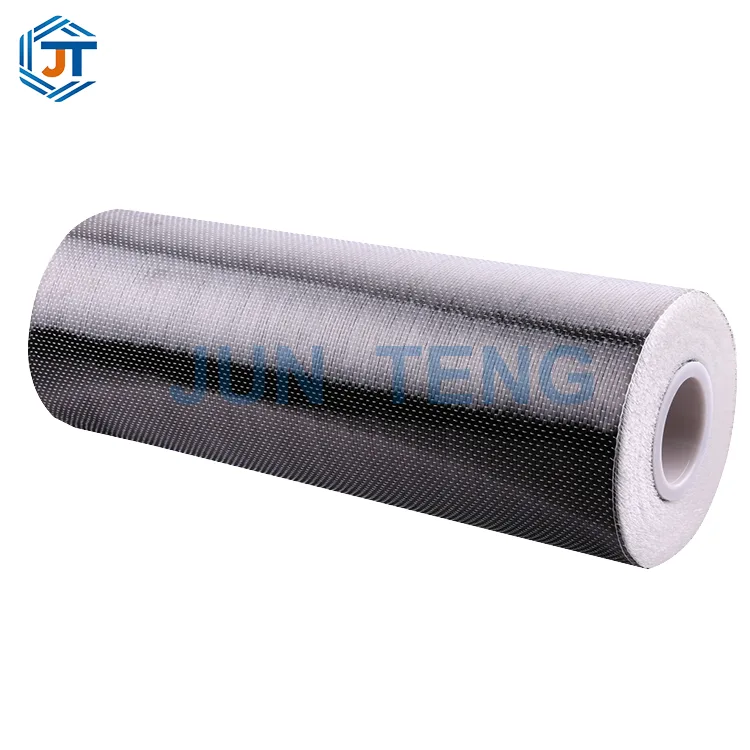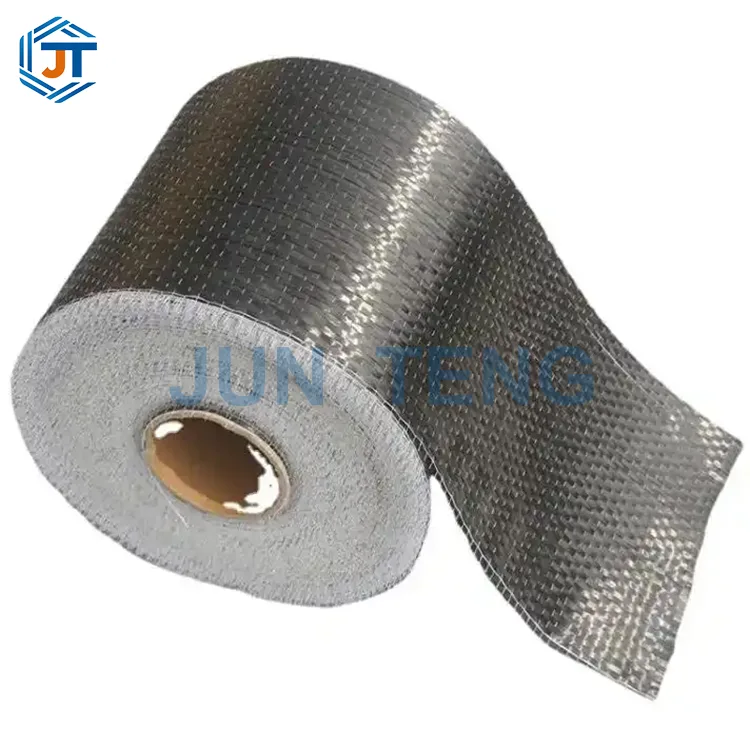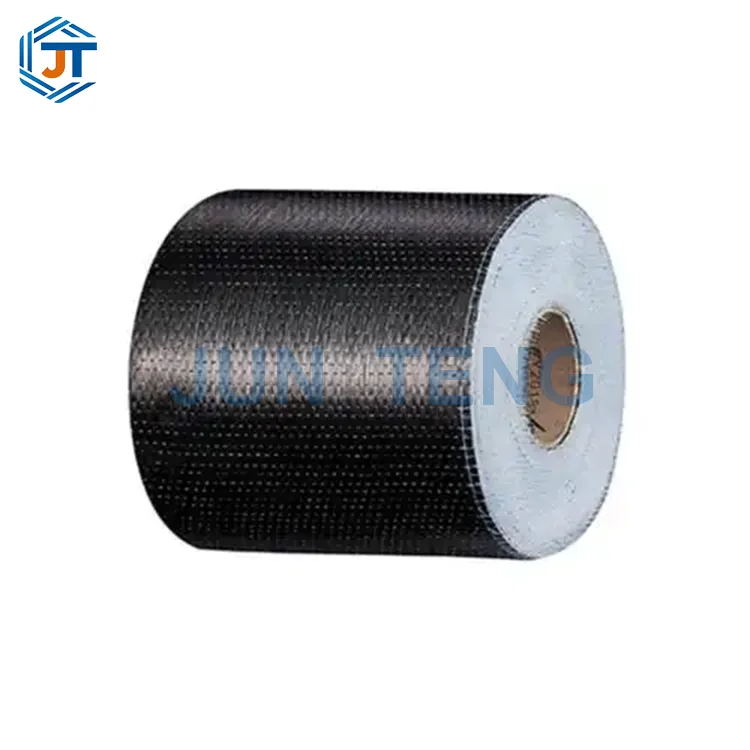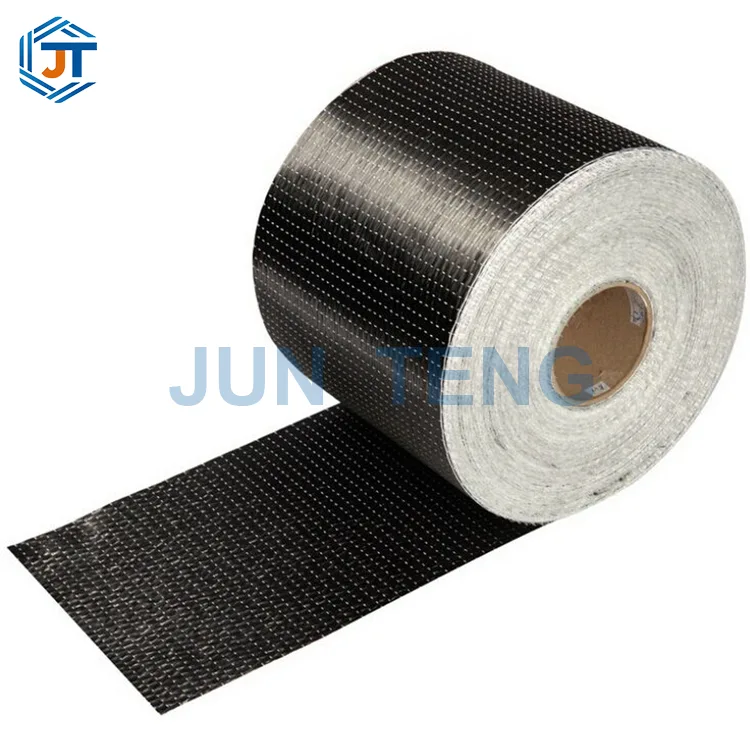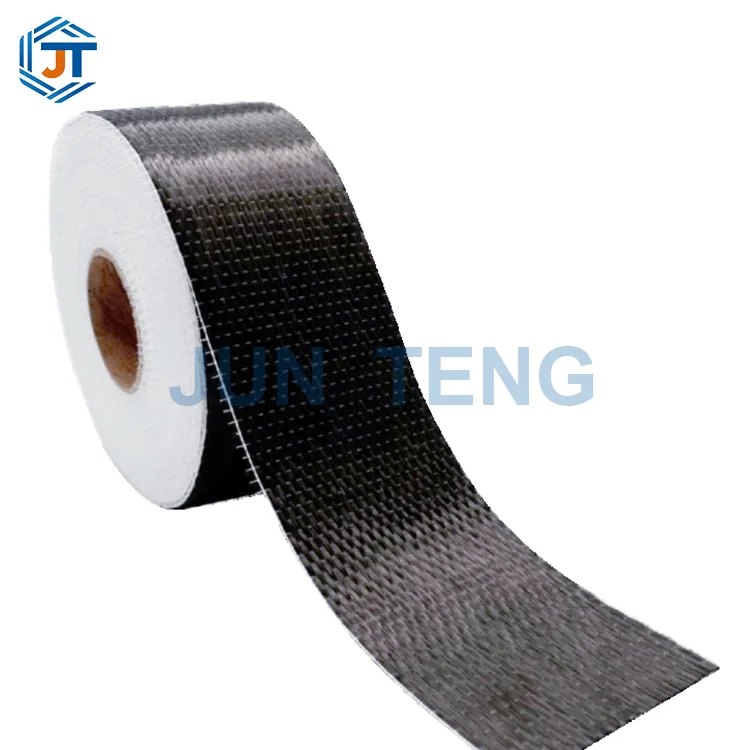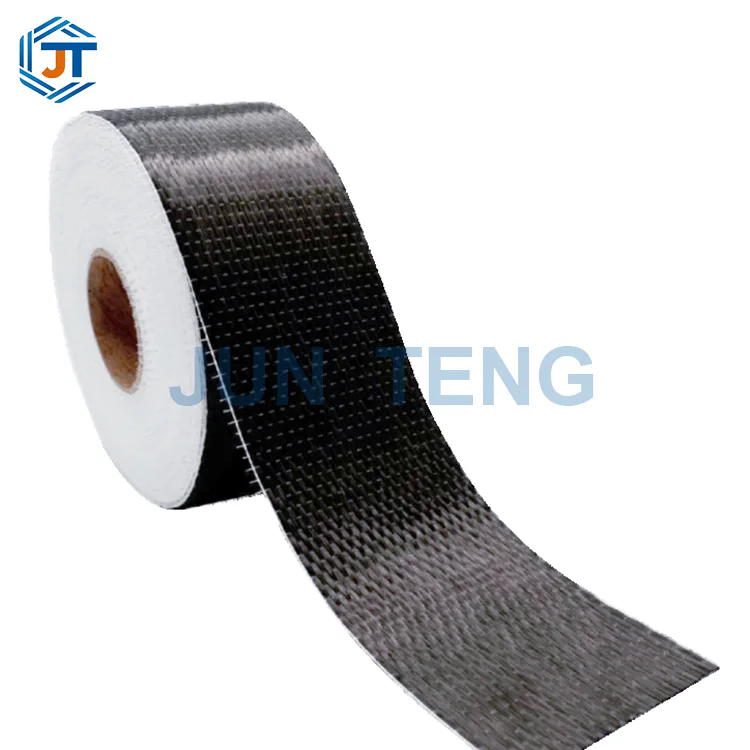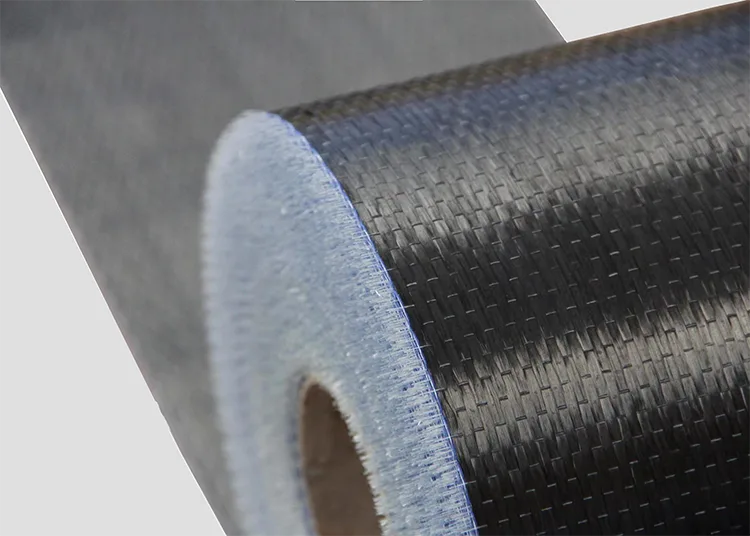

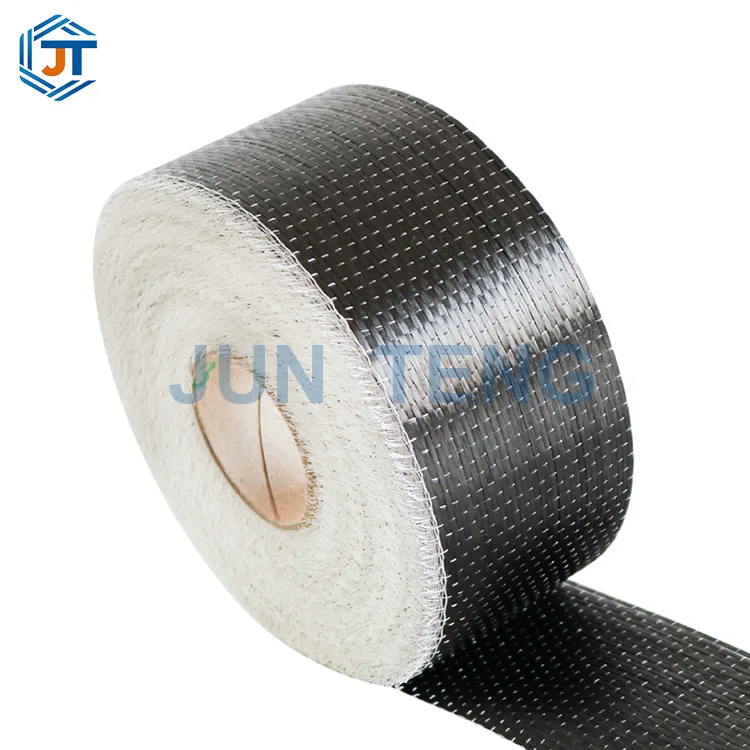
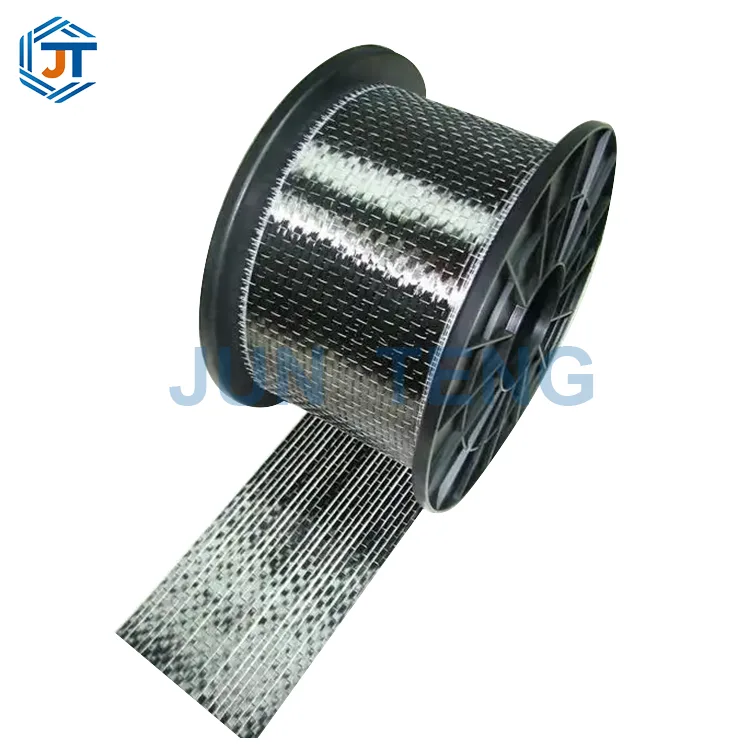

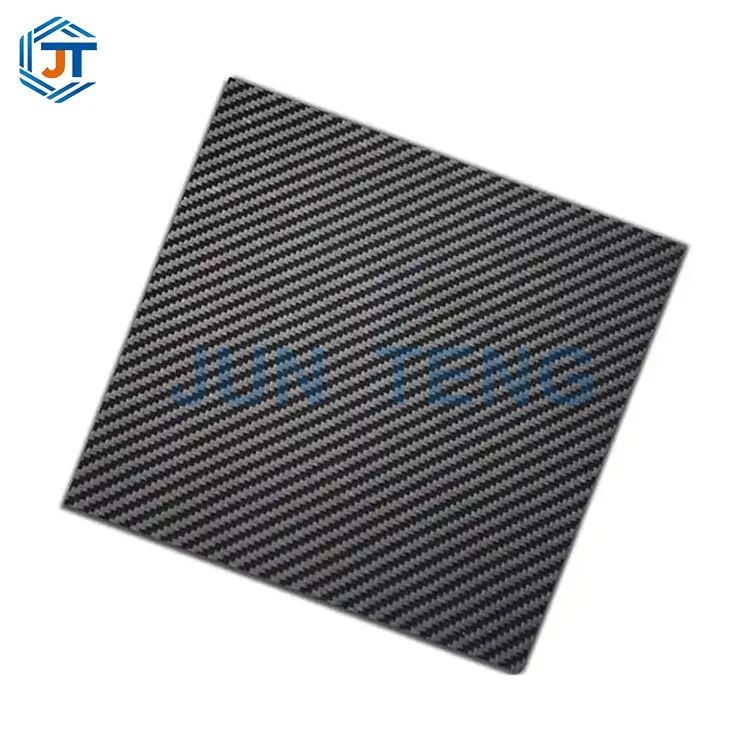

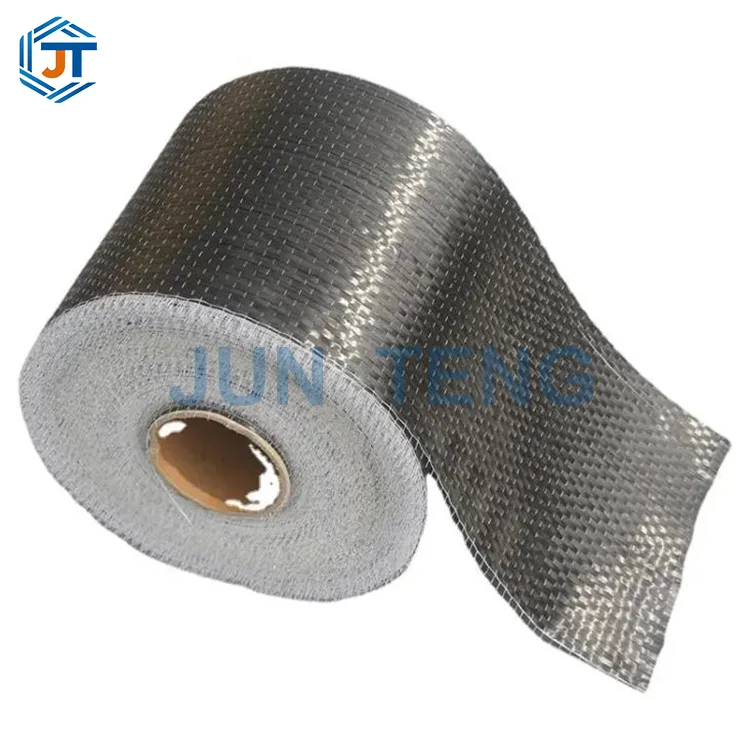
300g Bidirectional Carbon Fiber Reinforcement Fabric
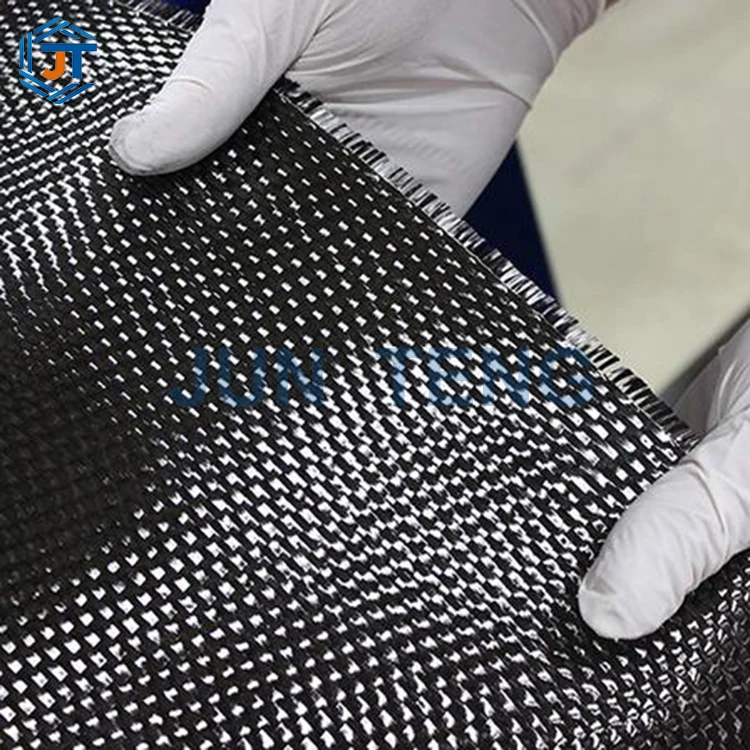
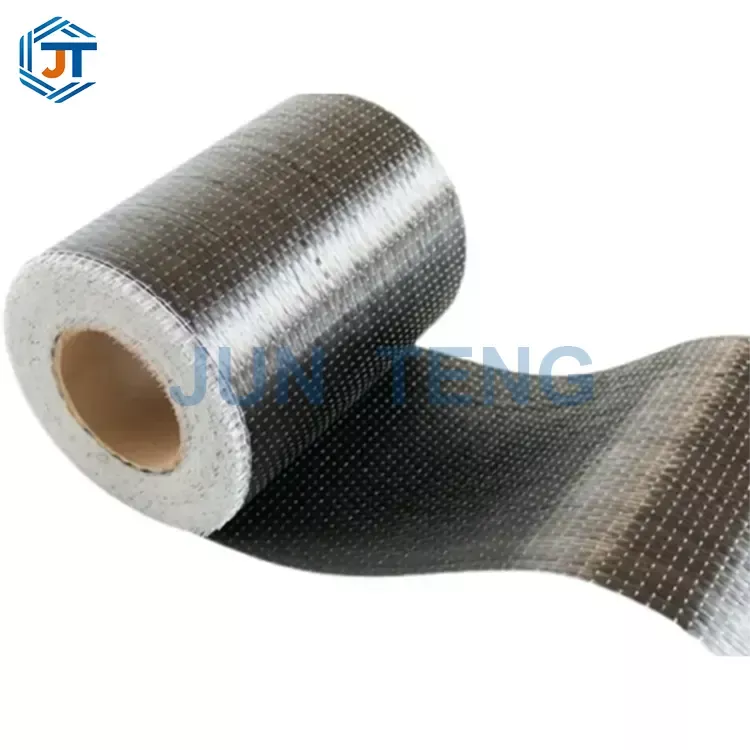
JUN TENG has been deeply engaged in carbon fiber fabric manufacturing for 18 years. They offer direct sales of 300g Bidirectional Carbon Fiber Reinforcement Fabric from the original factory. This product meets national standard level one quality and comes with a complete set of quality inspection reports. It features balanced force distribution, fast resin penetration, outstanding tensile strength, and higher single-layer bearing capacity, making it suitable for reinforcing factory main beams, bridges, and heavy-duty beams and columns.
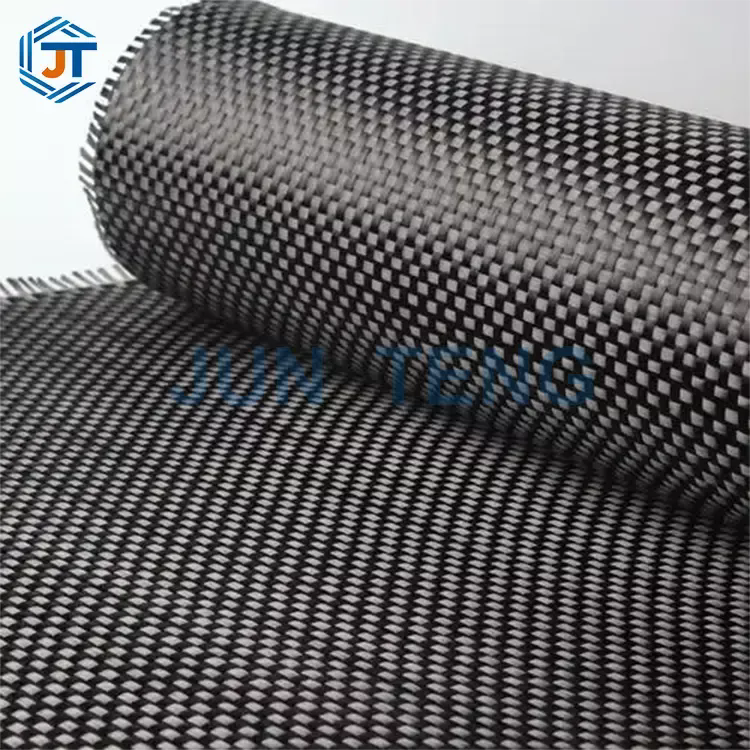
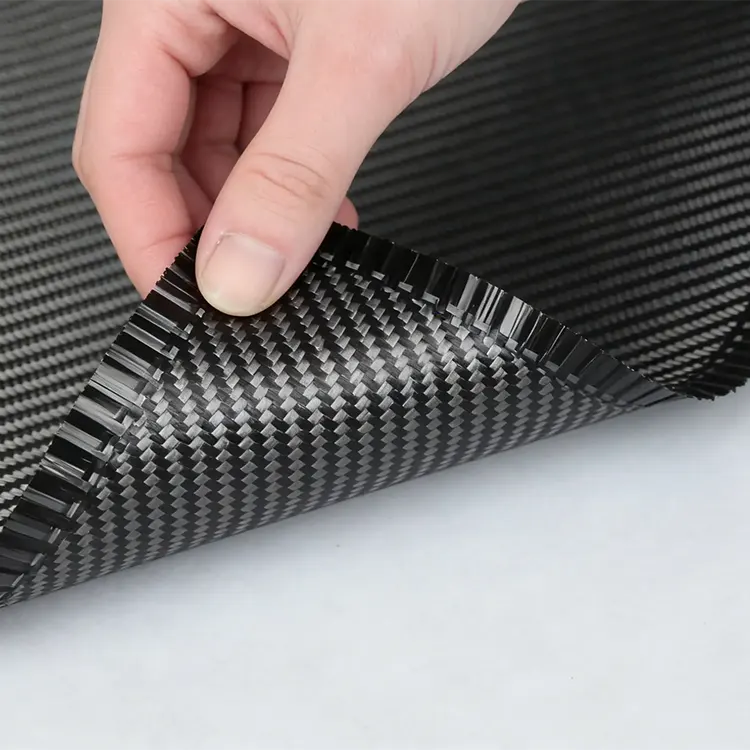
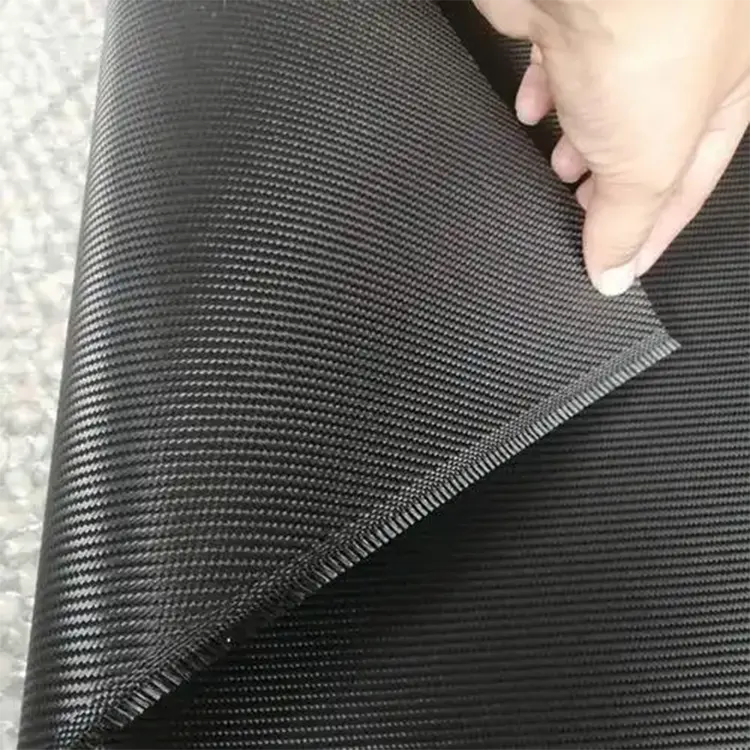
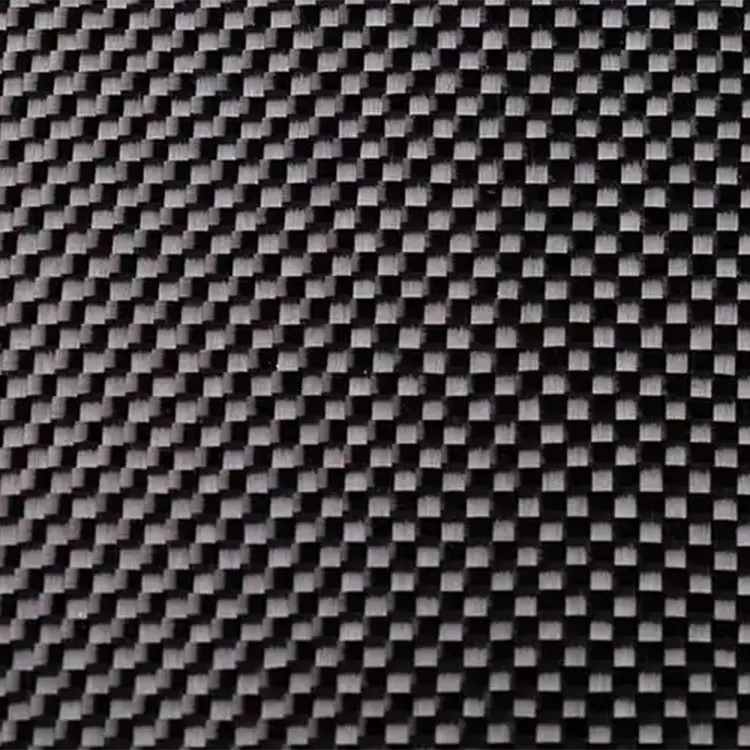
JUN TENG's bidirectional carbon fiber reinforced fabric is formed by double-layer orthogonal sewing of 12K continuous carbon fiber yarns. Unlike single-direction carbon fabric which has limited force-bearing capacity, this bidirectional design evenly distributes the load and simultaneously strengthens against shear and torsion. It complies with the national standard GB50367-2013 for "Concrete Structure Reinforcement Design" and meets the first-level mechanical standard.
The unit area fiber loading is 300g, the theoretical thickness is 0.45mm. It takes into account both high fiber content and the flexibility of curved surface adhesion, and is specifically designed for floor hole openings, shear wall repairs, anti-shear reinforcement of irregular beams and columns, bridge torsional loading, and multi-directional stress reinforcement of industrial equipment.
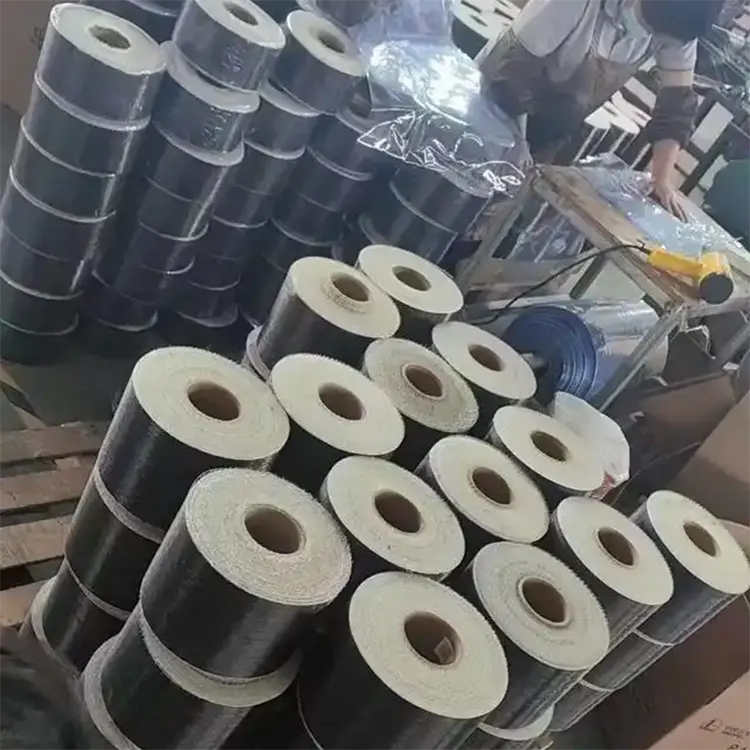
It addresses the pain points of single-directional carbon fabric that only resist tension in one direction, edge tearing, and failure in multi-directional load reinforcement. It is suitable for civil building renovations, municipal bridge repairs, chemical anti-corrosion structures, and rail transit component reinforcement. The construction and laying are free from cracking and wrinkling, resistant to acid and alkali, anti-aging, and extremely lightweight. A single layer can replace multiple thin-layer carbon fabrics, significantly reducing construction time and adhesive loss. It supports 500mm/1270mm wide strip cutting customization, with 100-meter straight rolls available in stock, and is supplied with A-grade epoxy impregnated glue as a complete set.
Product basic information and national standard parameter table

1.1 General Table of Basic Specification Parameters
|
Test Item |
Technical Index |
Execution Standard |
Remarks |
|
Product Model |
CF-BI300-12K-B45 |
GB50367-2013 |
±45° biaxial bidirectional non-woven carbon fiber cloth |
|
Areal Weight |
300g/㎡±5g |
National standard tolerance |
Composite molding with 150g double-layer fiber respectively |
|
Fiber Material |
T700 grade 12K continuous carbon fiber yarn |
Imported carbon yarn |
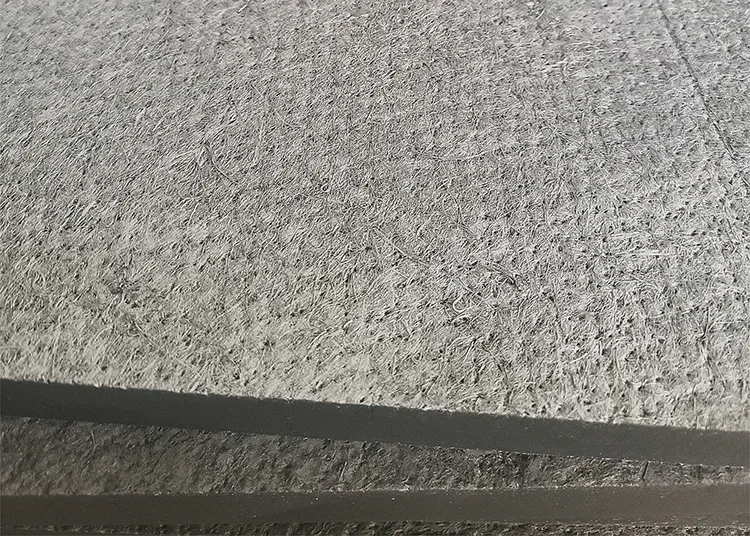
No broken yarn, no loose yarn, flat cloth surface |
|
Molding Process |
Double-layer ±45° stitched non-woven cloth |
Non-traditional plain weave |
No fiber buckling, lower mechanical loss |
|
Theoretical Thickness |
0.45mm±0.04mm |
Measured dry cloth thickness |
Thicker than unidirectional cloth of the same weight with larger fiber storage |
|
Standard Width |
500mm, 1270mm |
Custom arbitrary width slitting available |
1.27m full width for engineering use reduces splicing joints |
|
Standard Roll Length |
100m/roll |
Roll packaging |
Waterproof PE film + hard paper tube, moisture-proof storage & transportation |
|
Resin Content |
≤3% |
Dry cloth delivery |
No excess sizing agent for sufficient adhesive infiltration |
|
Mechanical Index |
Standard Requirement |
Measured Value |
Performance Advantage Analysis |
|
Bidirectional Tensile Strength |
≥2000MPa |
2450MPa |
Uniform strength in ±45° directions without strength difference |
|
Elastic Modulus |
≥2.1×10⁵MPa |
2.32×10⁵MPa |
High modulus ensures minimal structural deformation after reinforcement |
|
Elongation at Break |
≥1.6% |
1.78% |
Excellent toughness prevents brittle fracture under seismic load |
|
Interlaminar Shear Strength |
≥50MPa |
58MPa |
Double-layer stitching prevents delamination under long-term load |
|
Tear Resistance |
2.8 times of unidirectional cloth |
Actual test comparison |
Resists tearing and damage at floor corners and beam-column joints |

Differentiated core advantages
The vast majority of reinforced carbon cloth texts on the market only focus on the bending resistance advantage of unidirectional cloth, ignoring the large number of shear, torsion, and biaxial tensile working conditions in engineering. The 300g Bidirectional Carbon Fiber Reinforcement Fabric reconstructs the reinforcement scheme from the stress logic, and its five unique advantages directly hit the pain points of the industry:
1. Dual axis balanced force, suitable for complex multi-directional loads. Unidirectional carbon cloth only has high strength in the 0°main direction, with a vertical bearing capacity of less than 10%. It is prone to local failure when facing floor openings, shear wall cross cracks, curved beams and columns, and bridge cover beams under torsional stress. The 300g bidirectional carbon cloth adopts a symmetrical arrangement of+45°/-45°double-layer fibers, with completely equal fiber loads in both orthogonal directions. The shear resistance, torsion resistance, and bidirectional tensile resistance are synchronously improved. After reinforcement, the stress at any angle of the component can be evenly dispersed, preventing secondary cracks caused by local stress concentration.
2.With a weight of 2.300g and a single layer replacing multiple layers, the total amount of 300g Bidirectional Carbon Fiber Reinforcement Fabric in the same area far exceeds 200g of bidirectional fabric. Single layer laying can achieve the reinforcement and bearing capacity of heavy-duty components without the need for multiple layers. Compared to multi-layer thin carbon cloth construction: reducing the four processes of polishing, brushing, laying, and curing, reducing the consumption of epoxy impregnated adhesive by 40%, shortening the overall construction period by half, and significantly reducing labor and auxiliary material costs; At the same time, it reduces the hidden dangers of hollowing and bubbles caused by multi-layer paving, and enhances the stability of reinforcement quality.
3. Non warp stitching process, no fiber bending, lower mechanical loss. Traditional plain weave bidirectional woven fabric fibers are interwoven and bent, and when subjected to force, the fibers are straightened first before bearing, resulting in mechanical loss; This product adopts a non-woven fabric stitching process, with carbon fibers that are straight and non bent throughout the entire process. The load can be transmitted instantly under stress, and the reinforcement efficiency is increased by 18%. The fabric surface is smooth and free of bumps and depressions, closely adhering to the concrete and steel structure substrates. The edges, corners, and curved surfaces are laid without wrinkles or warping, reducing the rework rate of hollowing.
4. The entire scene is flexible and adaptable, with integrated wrapping and reinforcement of irregular components. The carbon cloth itself has ultra-high flexibility and can be bent and wrapped around irregular structures such as circular columns, curved beams, pipelines, and equipment bases at will. With a thickness of 300g, it balances strength and flexibility, and will not become hard and difficult to fit due to excessive weight; Roll cutting has no loose threads and does not require edge locking treatment. The on-site cutting operation is simple, and narrow spaces such as narrow ceilings and basement beams and columns can be constructed.
5. Long term corrosion resistance and durability, versatile carbon fiber itself does not rust, is resistant to acid, alkali, salt, moisture, and UV aging, suitable for corrosive environments such as coastal salt spray buildings, chemical plants, underground garages, sewage tanks, etc; After composite curing with A-grade epoxy adhesive, a sealed anti-corrosion layer is formed to protect the steel bars inside the concrete. The designed service life of the reinforcement system can reach more than 50 years, and there is no need for rust prevention or anti-corrosion maintenance in the later stage.


Application scenarios
I Building and Civil Engineering Reinforcement (Civil/Industrial Plants)
1. Reinforcement of floor openings: renovation of staircase openings and equipment reserved openings, reinforcement of floor slabs under bi-directional stress to prevent radial cracks around the openings;
2. Shear wall repair: wall intersecting diagonal cracks, insufficient wall shear resistance, seismic reinforcement for door openings;
3. Reinforcement of irregular beams and columns: torsional and shear strengthening of circular columns, curved secondary beams, and primary and secondary beam nodes
4. Renovation of old residential areas: balcony root fracture, increased floor bearing capacity, upgraded seismic resistance level;
5. Basement repair: Cracks in damp walls and bi-directional anti cracking and anti-seepage reinforcement of bottom plates.
II Municipal Bridge and Tunnel Engineering
Bridge cover beams and pier columns are reinforced by torsional forces, tunnel lining diagonal cracks are repaired, sidewalk slabs are crack resistant in both directions, elevated box beams are reinforced by shear, replacing traditional steel bonding technology, and the self weight does not increase the bridge load.
III Industrial special anti-corrosion reinforcement
The chemical equipment base, sewage tank wall, and steel structure support are reinforced with multi-directional stress, and a corrosion-resistant environment specific reinforcement layer, which has a dual function of structural strengthening and anti-corrosion protection.
Comparison Table of Selection between Unidirectional 300g Carbon Cloth and Bidirectional 300g Carbon Cloth
|
Comparison Dimension |
300g Unidirectional Carbon Fiber Cloth |
300g Bidirectional Carbon Fiber Reinforcement Cloth |
Selection Suggestion |
|
Force Characteristics |
Ultra-high uniaxial tensile strength, extremely low transverse strength |
Balanced ±45° bidirectional strength, outstanding shear & torsion resistance |
Unidirectional for pure main beam bending; bidirectional for floors, shear walls and torsion components |
|
Applicable Loads |
Single-direction bending components |
Shear, torsion, bidirectional tension and multi-stress composite components |
Priority to bidirectional cloth for floor openings and curved components |
|
Construction Fitting Performance |
Excellent for flat laying, easy to tear on curved surfaces and corners |
Strong fitting performance on curved surfaces and corners, damage-resistant |
Bidirectional cloth is mandatory for special-shaped structure and corner repair |
|
Reinforcement Layers |
Multi-layer superposition required for heavy load |
Single layer meets medium heavy load, reducing laying layers |
Choose 300g bidirectional cloth for shorter construction period and lower adhesive consumption |
|
Common Defects |
Transverse cracking and edge tearing under lateral force |
No transverse strength deficiency, uniform stress dispersion |
Avoid unidirectional cloth failure risks for complex force engineering |
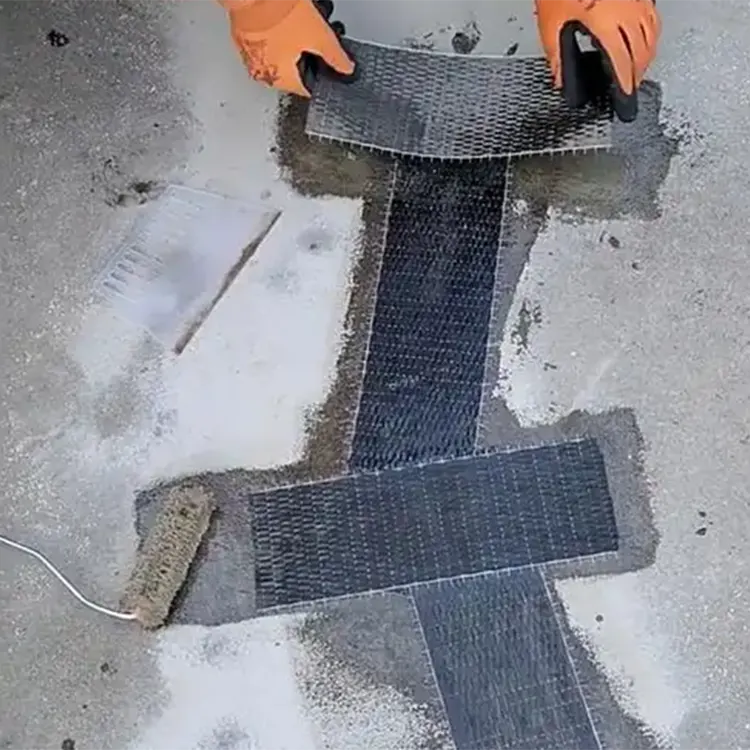
Standard construction process
1. Base treatment: Polish the concrete slurry, remove loose layers, and clean dust and oil stains with acetone;
2. Apply base adhesive: evenly roll apply A-grade carbon fiber base adhesive, penetrate and reinforce the substrate;
3. Leveling and repairing: Fill the honeycomb and pits with leveling glue to ensure a smooth base surface;
4. Immersion coating: Apply immersion adhesive to the base surface, lay 300g double-sided carbon cloth flat, and repeatedly roll and remove bubbles with a roller;
5. Surface coating: The surface of the carbon cloth is coated with surface coating adhesive twice, completely immersing the carbon fiber without any exposed dry fibers;
6. Curing and curing: Fully cure at room temperature for 72 hours, and avoid external disturbances during the curing period.
Product Storage, Transportation, and Supporting Instructions
1. Storage requirements: Store in a cool and dry warehouse, avoiding direct sunlight and rainwater immersion. Place the rolls upright to prevent compression and wrinkling;
2. Supporting materials: National standard A-level carbon fiber impregnated adhesive (base adhesive+leveling adhesive+impregnated surface adhesive) must be used, and the mixing of ordinary civilian epoxy adhesive is prohibited;
3. Customization service: Supports cutting with any width of 50-1270mm and cutting meters as needed. Special weight biaxial carbon cloth can be customized for large-scale projects;
4. Quality assurance: Each batch is accompanied by a third-party mechanical testing report, which complies with the acceptance specifications for reinforcement engineering, and can provide completion data and supporting quality inspection documents
The 300g Bidirectional Carbon Fiber Reinforcement Fabric fills the performance gap of unidirectional carbon cloth in the field of multi-directional reinforcement. With the support of 12K high-grade carbon fiber and±45°biaxial non-woven stitching technology, it achieves four core values of high strength, bidirectional balance, easy construction, and long durability under the mainstream engineering weight of 300g. Unlike ordinary woven bidirectional fabrics on the market, this product optimizes the fiber layout structure, reduces mechanical losses, and has higher single-layer reinforcement efficiency. It is perfectly suitable for complex working conditions such as floor openings, shear walls, irregular beams and columns, and bridge torsion that unidirectional carbon cloth cannot handle. From the renovation of old civilian buildings to the repair of large municipal bridges, stable and reliable structural reinforcement solutions can be provided. The material parameters fully match the national reinforcement standards, and the construction is convenient and the comprehensive cost is controllable. It is the preferred professional substrate for multi-directional stress structural reinforcement.
Hot Tags: 300g Bidirectional Carbon Fiber Reinforcement Fabric, Manufacturer, Supplier
Send Inquiry
Contact Info
-
Address
East of Chongde 11th Road, East Zone, Economic and Technical Development Zone Project, Dezhou City, Shandong Province, China
-
Tel
-
E-mail
Welcome global purchasers to submit your demand via this inquiry page of JUN TENG carbon fiber supplier in China. You can leave your requirements on carbon fiber reinforcement fabric, woven carbon fiber fabric, carbon-carbon materials, specification customization, sample service and bulk order price. Our professional engineers will reply with tailored solutions and quotation within 24 hours.