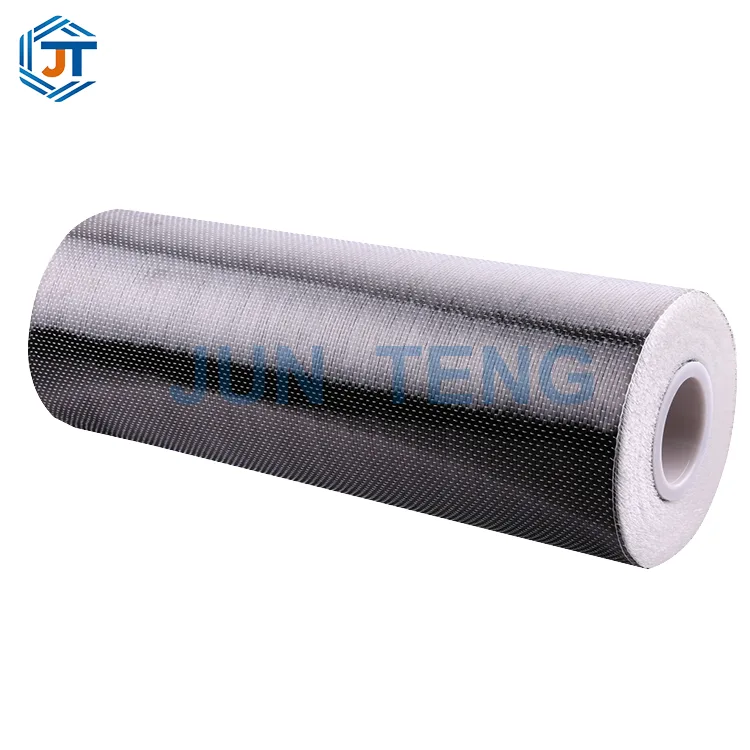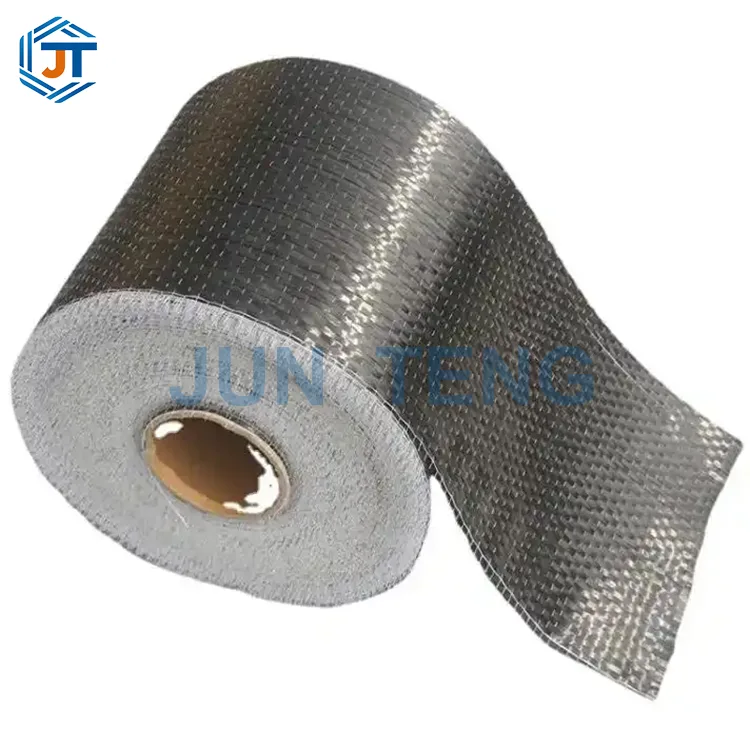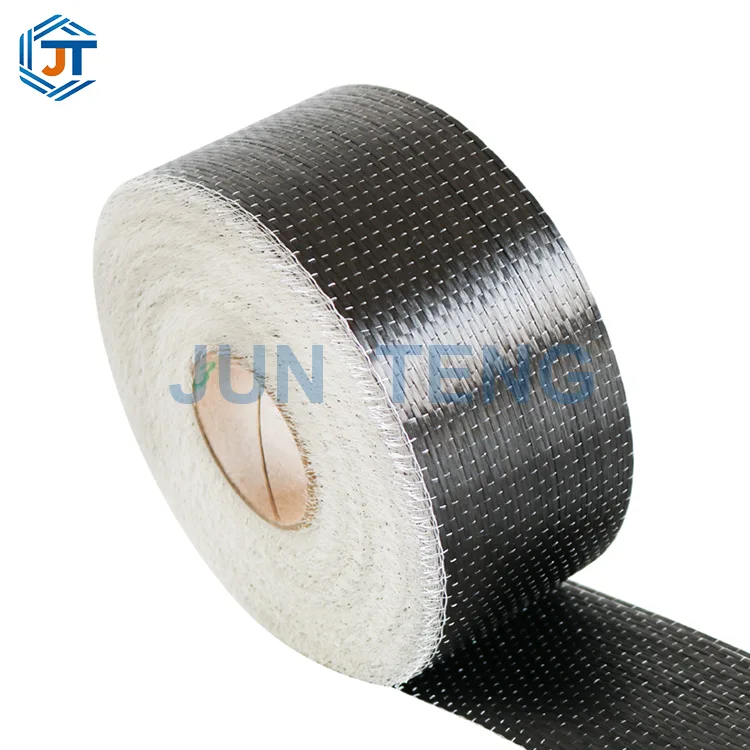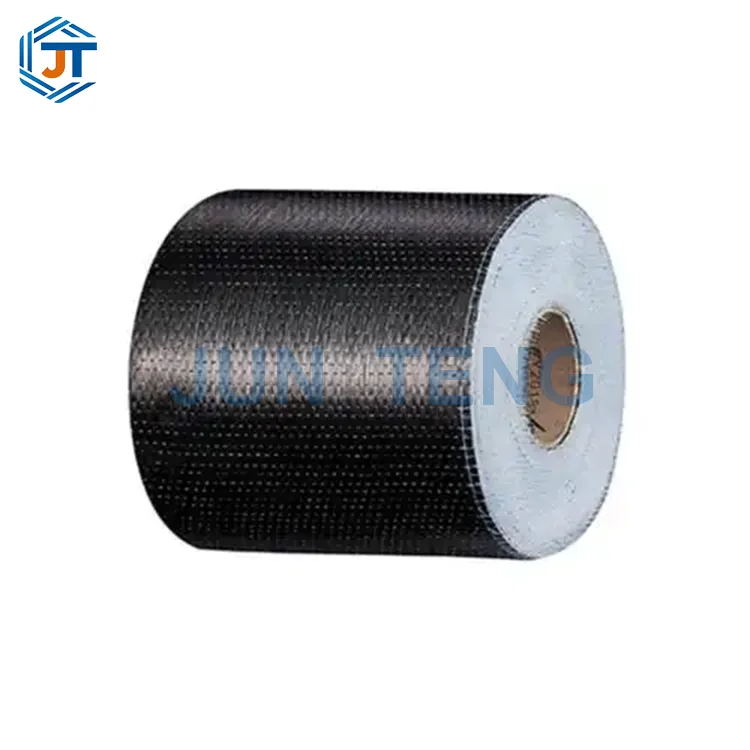

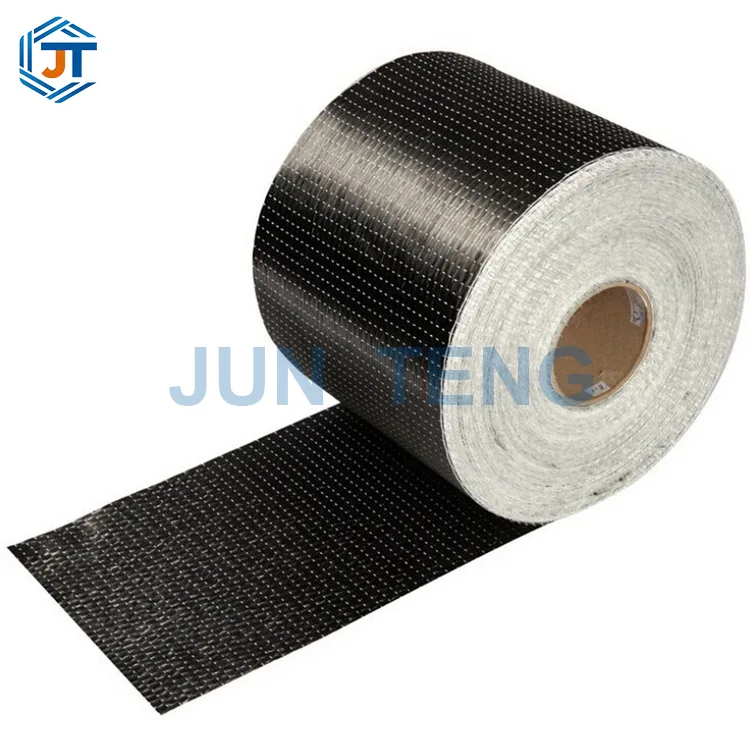
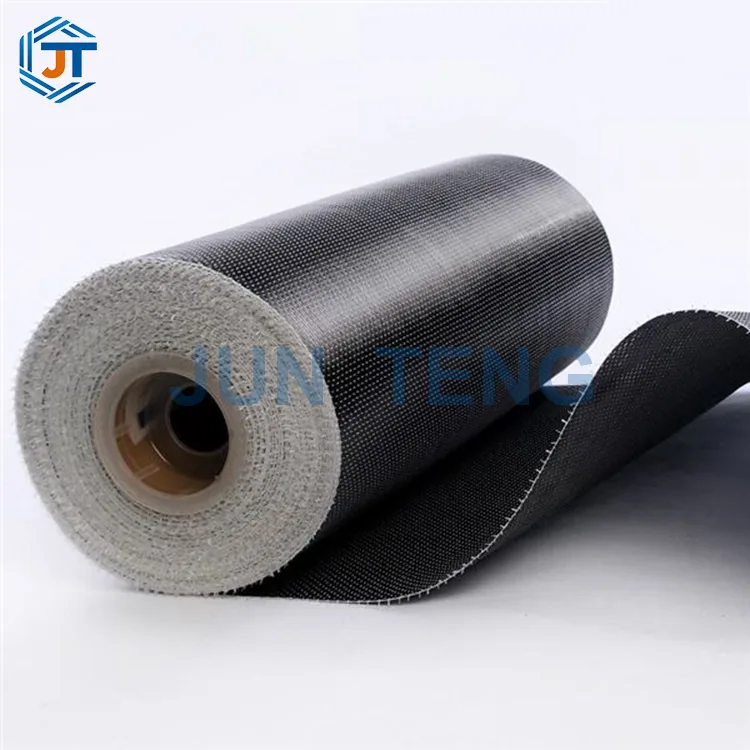
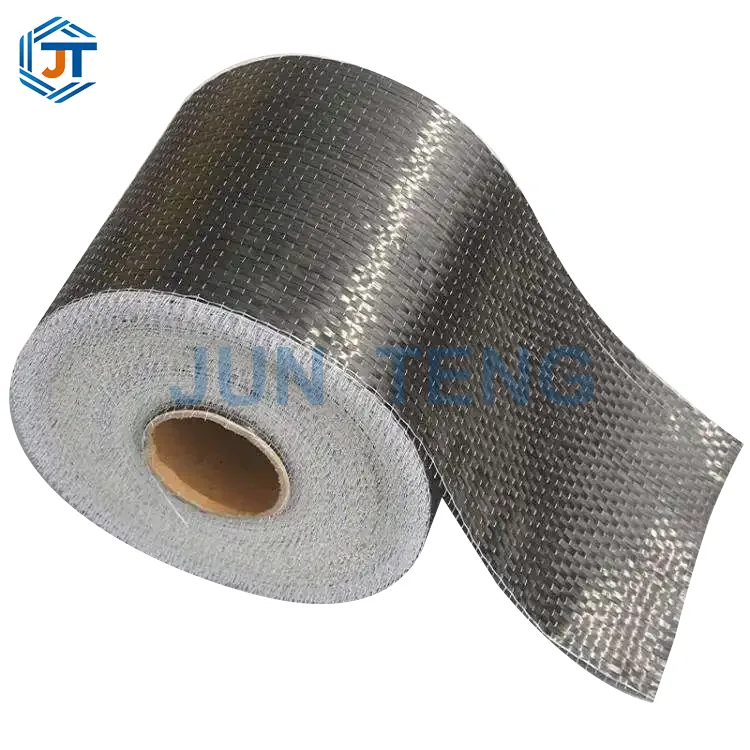
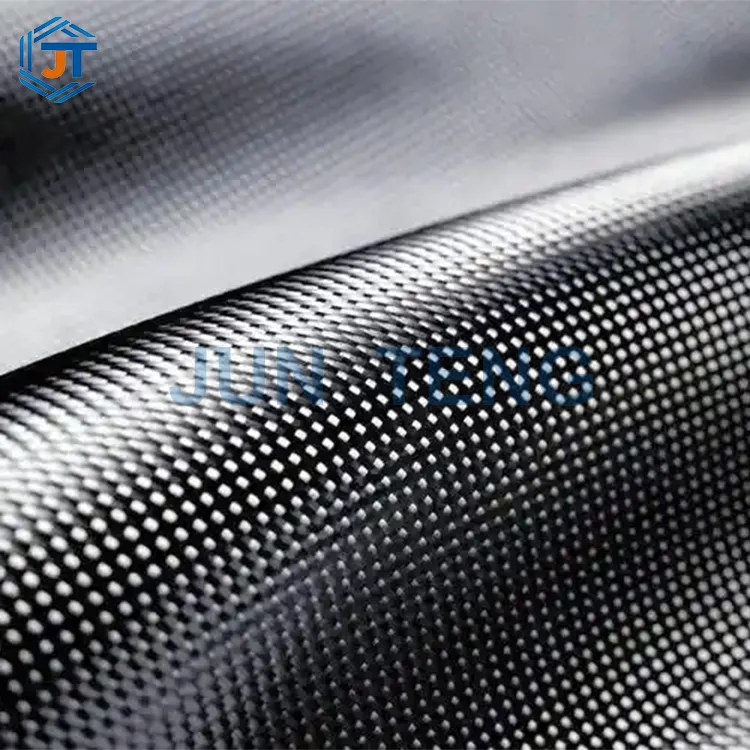
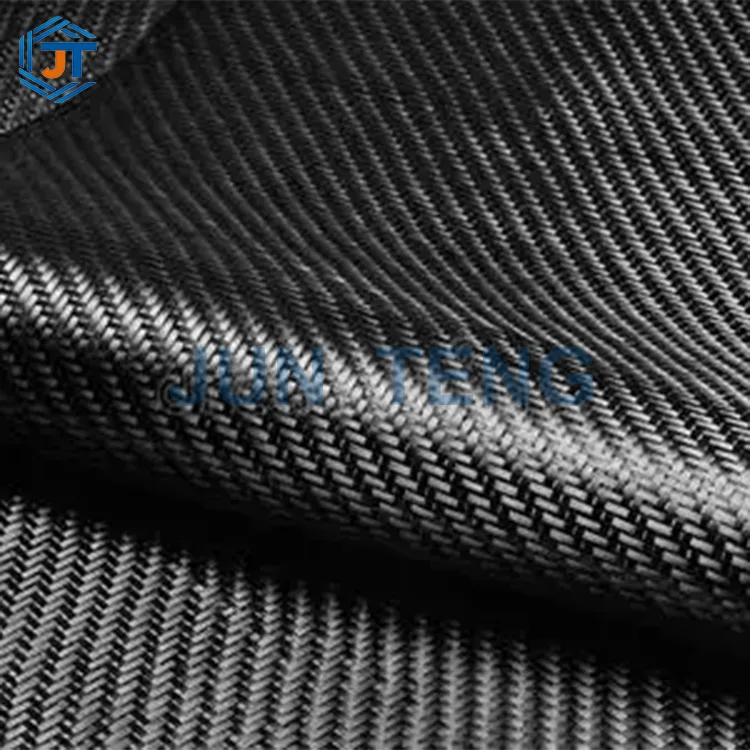
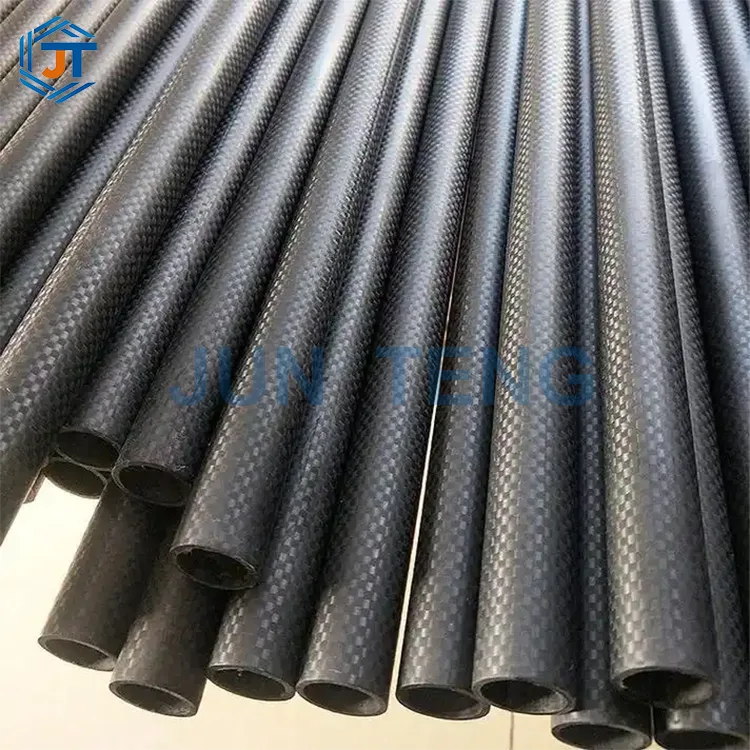
6K Bidirectional Carbon Fiber Fabric
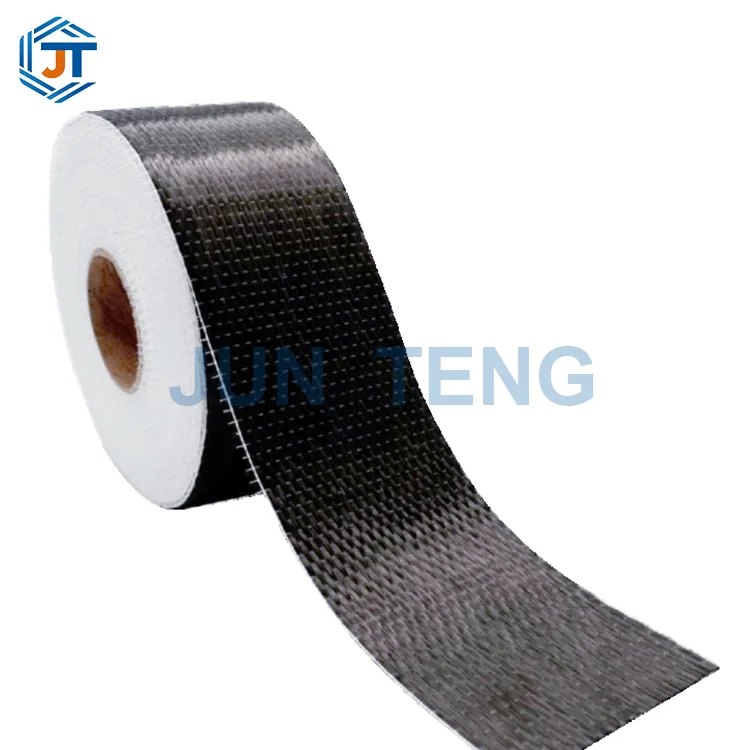
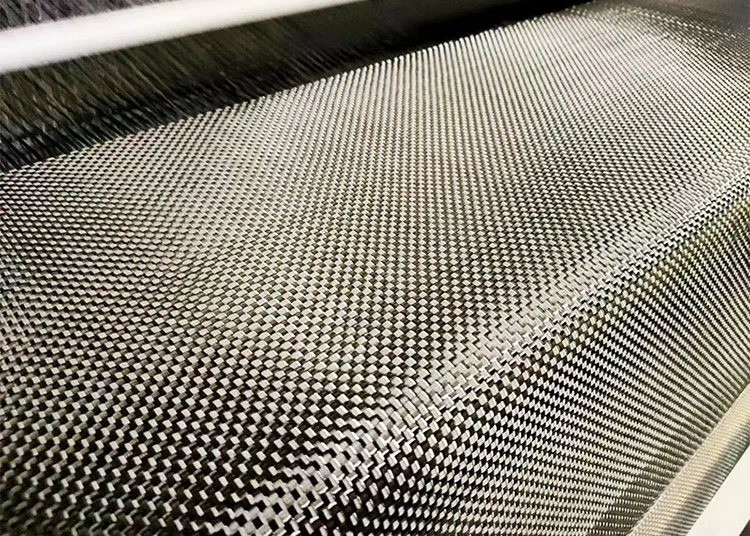
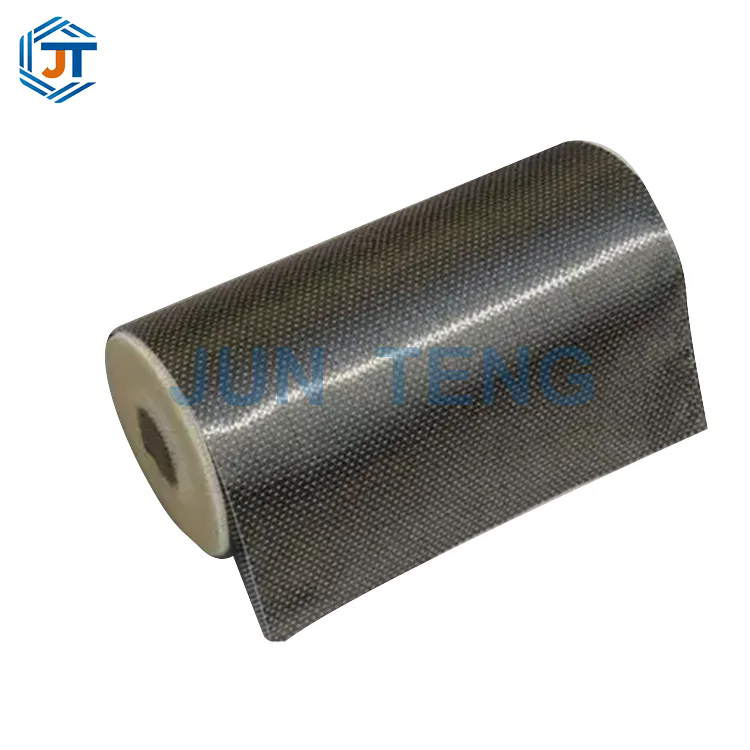
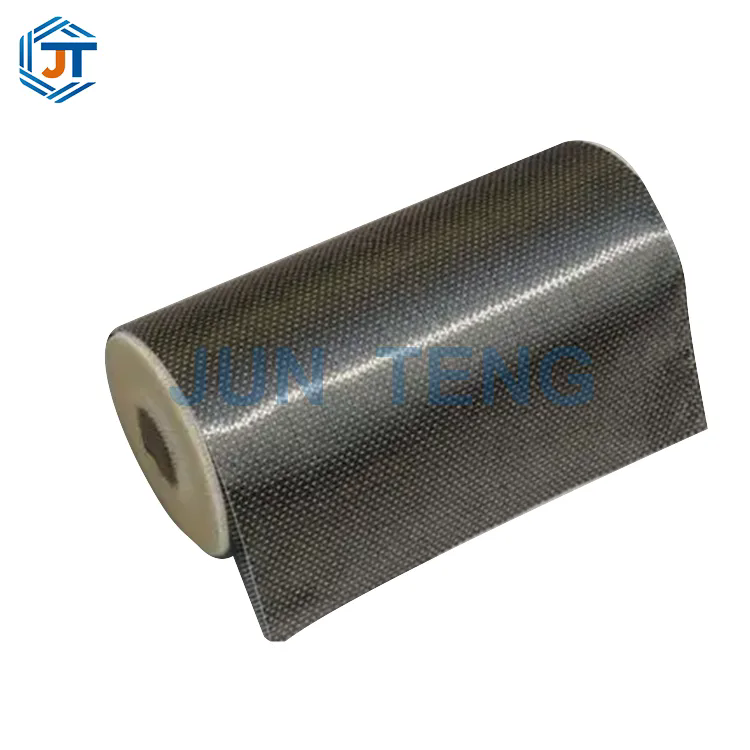
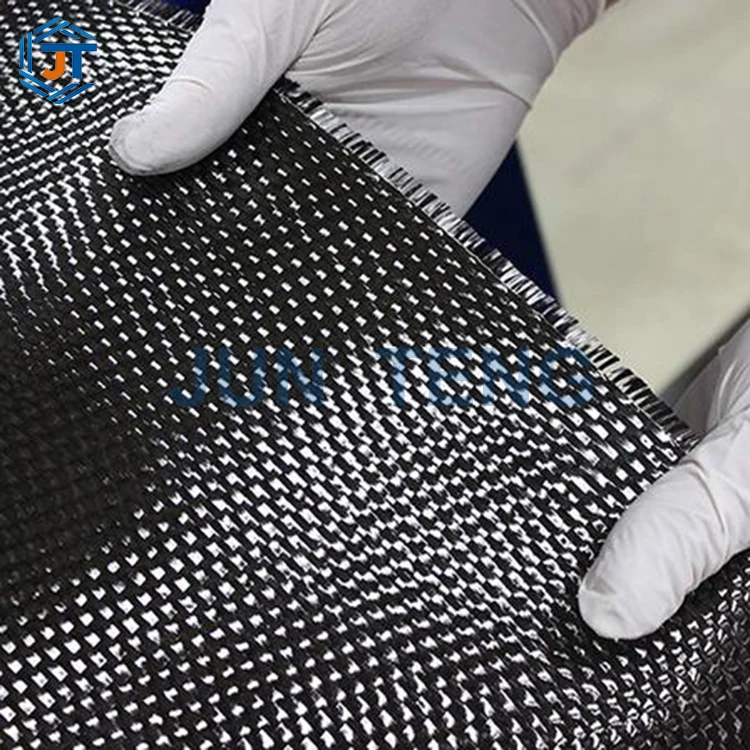
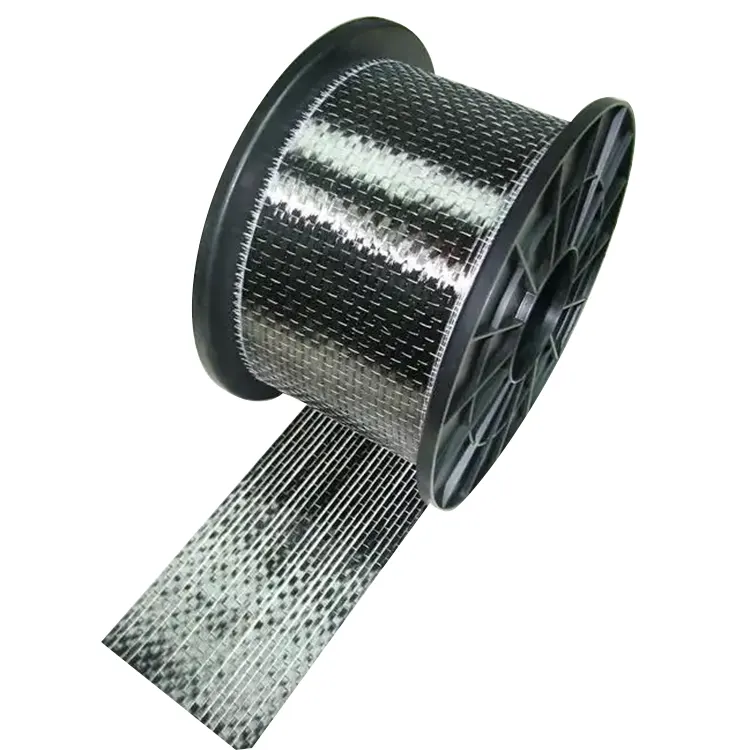
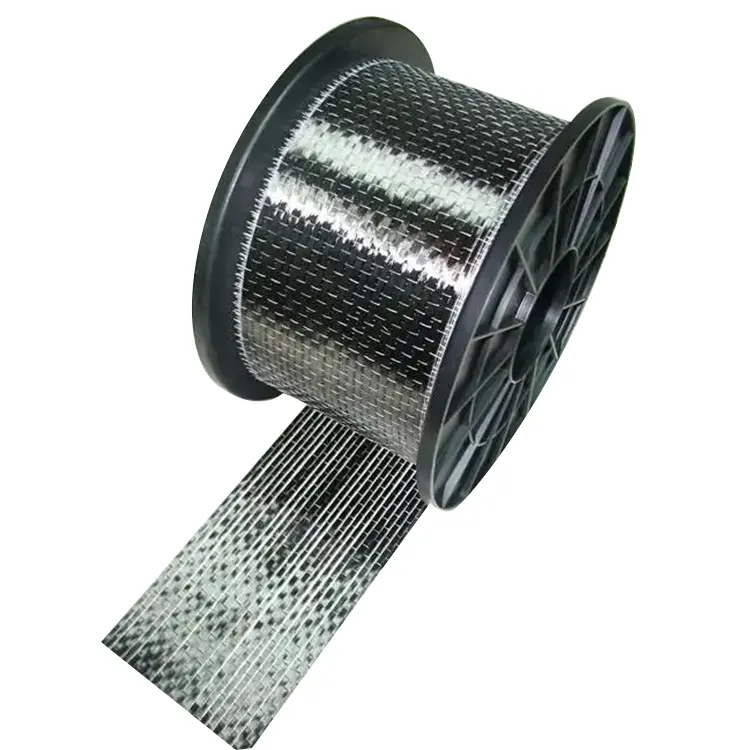
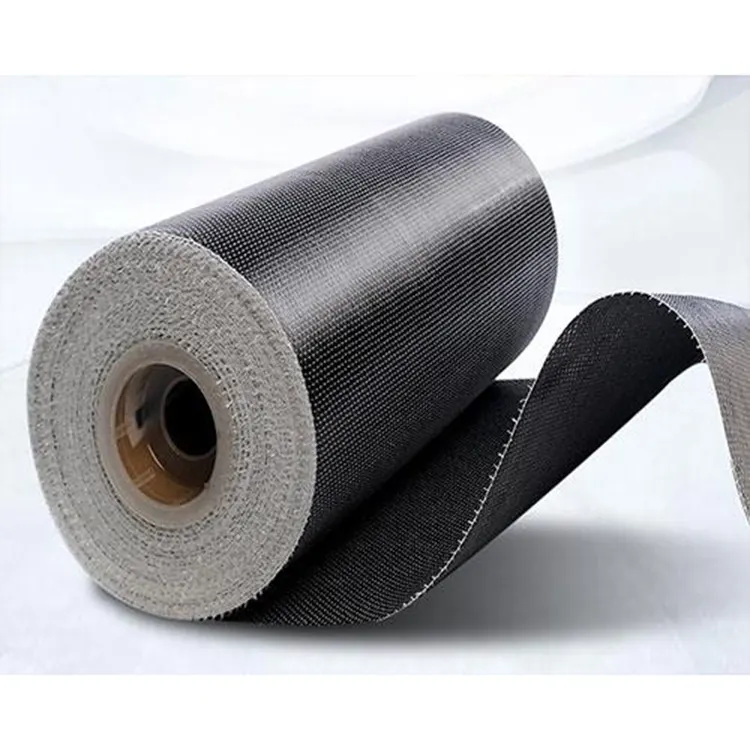
With 18 years of deep expertise in the carbon fiber industry, JUN TENG is a professional manufacturer and supplier of 6K bidirectional carbon fiber fabric in China. This fabric features balanced load-bearing in both warp and weft directions and a smooth, flawless surface. Lightweight yet high-strength, and resistant to corrosion and shear forces, it is suitable for a wide range of applications, including structural reinforcement, industrial molds, and vehicle or marine modifications.
JUN TENG holds full export qualifications and maintains strict quality control standards. We offer direct factory pricing by eliminating middlemen, ensuring exceptional value and a reliable supply. Specifications can be customized to meet your specific needs—we welcome your inquiries and orders.
Brand endorsement
JUN TENG is a senior source factory with 18 years of experience in the research and development, production, and export of carbon fiber composite materials. The brand has always focused on the refined production of carbon fiber cloth series products, abandoning the intermediary OEM and packaging mode, and achieving independent control of the entire chain from raw silk selection, weaving process, curing treatment to finished product quality inspection. For many years, the factory has continuously served thousands of domestic and foreign enterprises in building reinforcement, industrial manufacturing, new energy, transportation modification, etc. With stable product quality and compliant export standards, it has accumulated a large number of landing cases and industry reputation, and is a reliable manufacturer in the industry with both practical experience and formal qualifications.
Different from start-up small factories and trade intermediaries on the market, we rely on 18 years of industry production experience to precisely control the core production process of 6K Bidirectional Carbon Fiber Fabric, solving common pain points in the industry such as uneven fabric surface, broken wires, insufficient tension, and poor corrosion resistance. We ensure that every batch of factory products meets the dual standards of industrial and export levels, providing customers with reliable products that are grounded, traceable, and guaranteed.
Core parameters of the product
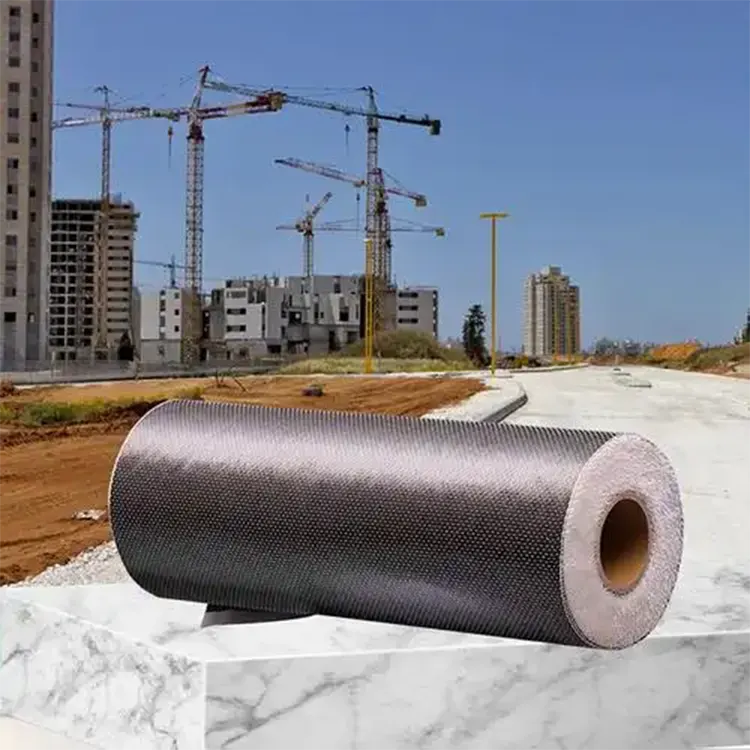
6K Bidirectional Carbon Fiber Fabric is a cost-effective universal reinforced composite material, woven from 6K carbon fiber raw fibers in both warp and weft directions. It has uniform stress distribution and balanced performance in all directions, while also considering strength, toughness, and adhesion. It is the preferred material for multi scenario reinforcement, repair, and lightweight transformation. The following is a precise parameter table for the product. All data has been verified by third-party testing and is authentic and professional.
|
Parameter Item |
Standard Specification |
Product Advantages |
|
Product Specification |
6K Two-Way Weave |
Bidirectional force bearing without blind spots, suitable for all-round structural reinforcement |
|
Raw Material |
Imported Carbon Fiber Yarn |
High purity with few impurities, stable strength and excellent aging & fracture resistance |
|
Weaving Technology |
High-Density Plain Weave |
Smooth and compact fabric surface without skipped or broken threads, ensuring ultra-high fitting performance |
|
Tensile Strength |
Industrial-Grade High Strength |
Excellent resistance to tension and deformation with outstanding load-bearing and reinforcement performance |
|
Temperature & Corrosion Resistance |
Acid & Alkali Resistant, High-Temp Resistant, Anti-Aging |
Adaptable to harsh working environments including outdoor, humid and industrial corrosive conditions |
|
Supply Mode |
Factory Direct Supply |
No middlemen, pure factory price with superior cost performance |
Four major hardcore highlights
Based on 18 years of production process iteration, our 6K Bidirectional Carbon Fiber Fabric has broken through the performance shortcomings of ordinary carbon cloth, achieving comprehensive upgrades in four dimensions: process, quality, adaptability, and cost-effectiveness. Each advantage is tailored to the actual construction, use, and procurement needs of customers, and is practical and reliable.
1.Technological advantages
Adopting upgraded high-density bidirectional flat weaving technology, the warp and weft densities are uniform and consistent, the fabric surface is flat and smooth, and the thickness is uniform, eliminating common problems such as looseness, fuzzing, broken threads, and deviation in the market. The fabric has balanced tension and synchronized bi-directional stress performance, making it less prone to wrinkling and deformation during construction. After applying glue, it has excellent wetting properties and can tightly adhere to the substrate. After curing, the overall structure is stable, greatly improving the reinforcement and repair effect.
2.Performance advantages
The addition of 6K large tow carbon fiber precursor makes the product light and strong, tensile resistant, impact resistant, acid and alkali resistant, and anti-aging. Compared to traditional steel and ordinary fiberglass cloth, it is lighter in weight and has higher strength, without increasing the load-bearing capacity of the substrate. At the same time, it can resist harsh environmental erosion such as moisture, acid and alkali, and high and low temperatures. Its service life is greatly extended, and it does not require frequent maintenance and replacement, making it suitable for long-term engineering use.
3.Qualification advantage
As a legitimate export grade factory, our 6K bidirectional carbon fiber cloth has a complete set of export customs declaration qualifications, quality inspection reports, and industry compliance certifications. Our products not only meet domestic industrial and construction standards, but also comply with international export testing requirements. All products can provide complete qualification documents, supporting foreign trade exports, domestic engineering bidding, and project acceptance. Compliance and authority far exceed ordinary niche products, and customers have no qualification risks when purchasing.
4.Price advantage
We are a physical factory with our own production line, operating independently throughout the entire process from raw material procurement, production and processing to finished product delivery, eliminating the need for distributors, agents, and intermediaries to increase prices layer by layer. All customers can directly enjoy the first-hand factory price, with higher cost-effectiveness for bulk procurement. At the same time, it supports customized specifications and bulk stocking, ensuring stable and sufficient supply of goods, eliminating shortages, stockouts, and price increases. The procurement cost is lower and more cost-effective.
Full scene adaptation
6K Bidirectional Carbon Fiber Fabric, with its balanced performance and ultra-high adaptability, breaks through the limitations of single use and is widely used in various fields such as civilian, industrial, and foreign trade. Its landing scenarios are mature, and its practical effects have been verified by a large number of customers, making it authentic, reliable, and durable.
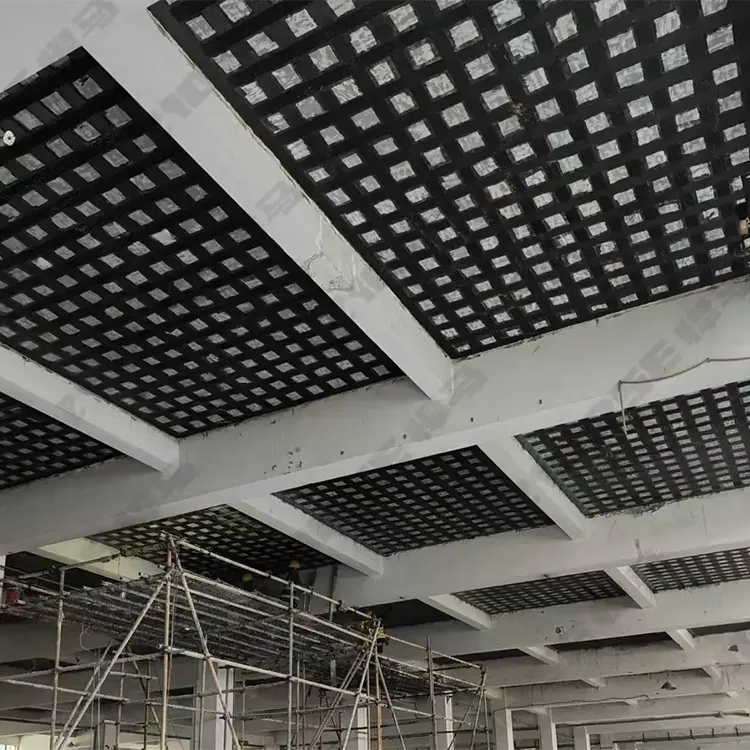
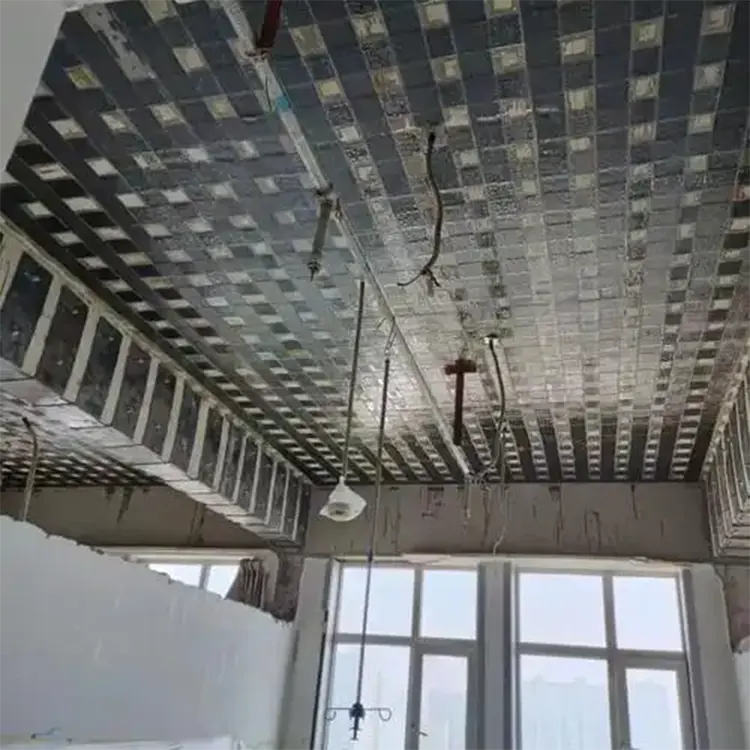
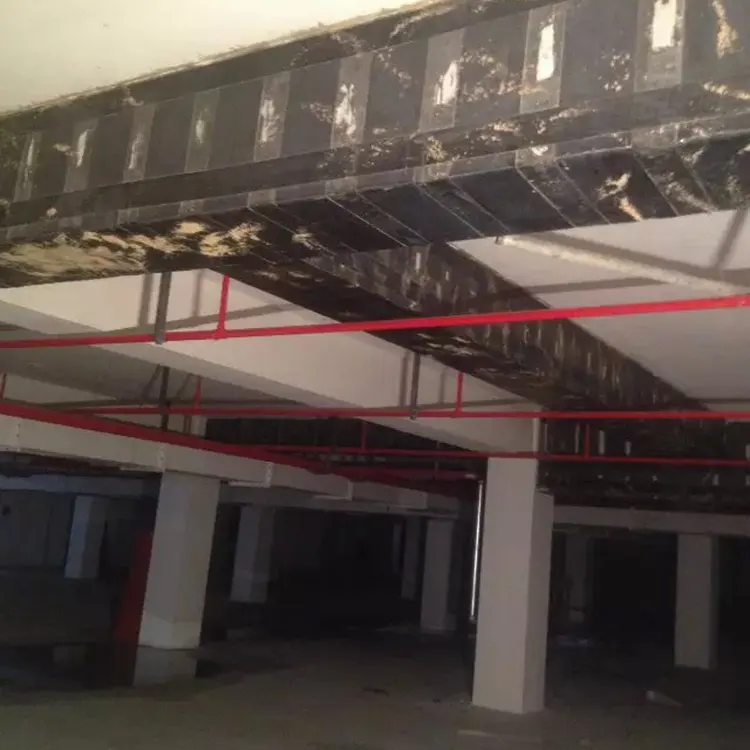
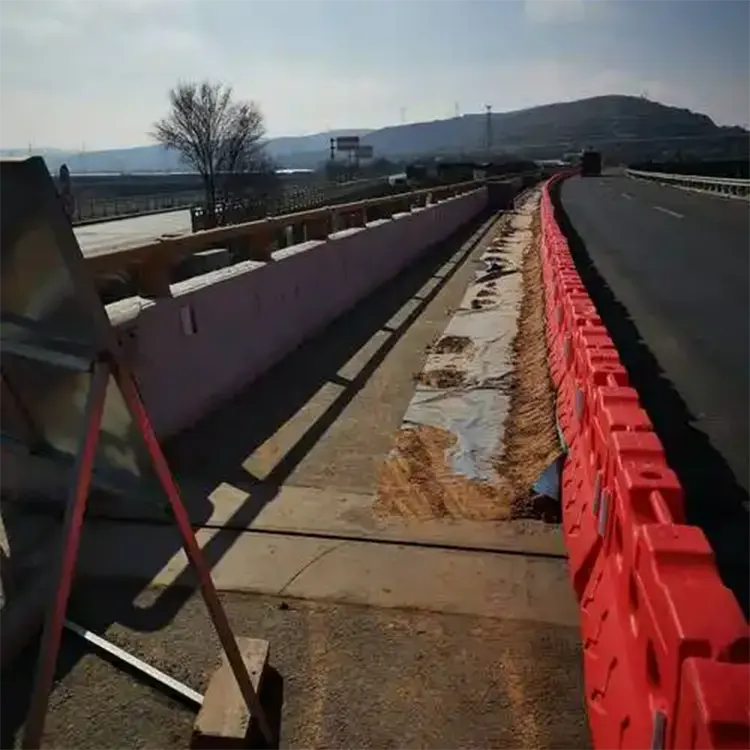
1. Building reinforcement field: Bridge, floor slab, beam column, wall structure reinforcement and repair, improve building load-bearing, seismic, and deformation resistance, adapt to old building renovation and engineering reinforcement projects.
2. In the field of industrial manufacturing: mold reinforcement, mechanical equipment component reinforcement, composite material molding, lightweight transformation of industrial components, to enhance product strength and durability.
3. In the field of transportation modification: lightweight reinforcement of vehicle and vessel shells, drone accessories, and sports equipment, balancing strength and lightweight requirements.
4. In the field of foreign trade exports: with complete compliance qualifications, it is suitable for overseas composite material procurement, engineering support, and foreign trade order supply, without compliance barriers.
5. Daily repair field: various types of substrate crack repair, structural reinforcement, anti-corrosion protection treatment, simple construction, stable effect.
Strict quality inspection system
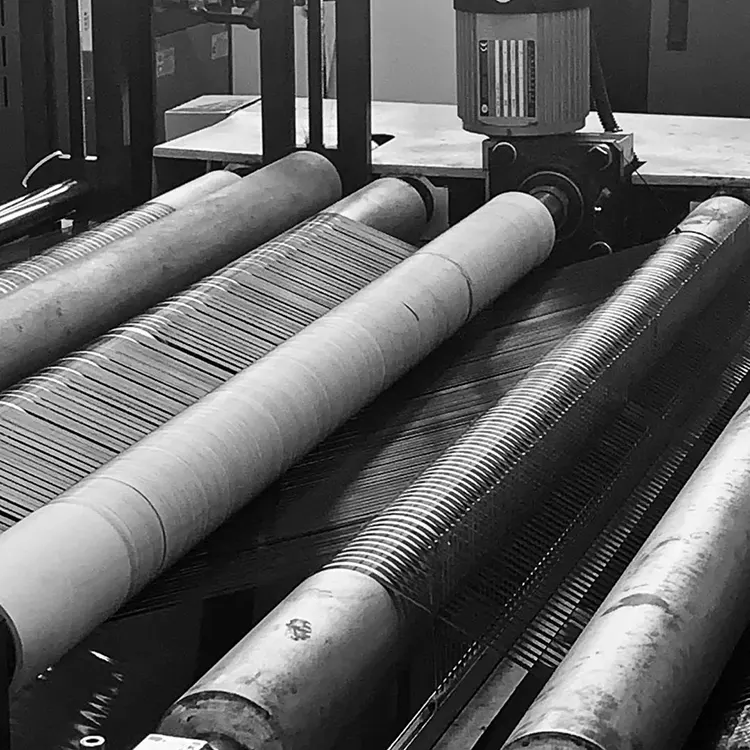
To ensure product stability and reliability, JUN TENG has established a full process quality inspection system, strictly controlling four quality inspection checkpoints from raw material storage, production inspection, finished product sampling to outbound re inspection, to prevent the outflow of defective and unqualified products. The purity and strength of the raw materials are tested one by one upon storage, and the weaving density and fabric quality are monitored in real time during the production process. The finished products are sampled in batches for tensile, corrosion resistance, and adhesion testing. Before leaving the warehouse, the qualifications, specifications, and product quality are checked to ensure that every roll of 6K bidirectional carbon fiber cloth received by the customer meets the quality standards and has stable performance.
Factory service guarantee
Based on 18 years of industry service experience, we provide customers with one-stop exclusive procurement services, which can efficiently connect domestic engineering procurement, bulk stocking, and foreign trade export orders. Support specification customization, sample delivery, qualification document provision, technical consultation guidance, pre-sales answer selection questions, follow up on production and delivery progress during sales, and after-sales follow up on usage feedback. The factory is directly connected to customers throughout the entire process, without any third-party intermediaries. The price is transparent, the quality is controllable, and the service is reliable, truly allowing customers to buy and use with peace of mind.
Why Choose 6K Bidirectional Carbon Fiber Fabric?
Understanding the differences between carbon fiber tow sizes is essential for making the right material selection:
|
Tow Size |
Characteristics |
Recommended Applications |
|
3K |
Ultra-thin, excellent flexibility, highest cost |
Aerospace, high-end decorative parts, precision molds |
|
6K |
Balanced flexibility and strength, cost-effective |
Complex curved surfaces, vehicle/marine shells, sports equipment, general-purpose mold manufacturing |
|
12K |
High strength, high load capacity, slightly thicker |
Building structural reinforcement (beams, columns, bridges), heavy-duty industrial components |
|
24K+ |
Very high strength, stiffer, lower flexibility |
Wind turbine blades, industrial panels, large structural parts |
Key Advantages of 6K Bidirectional Carbon Fiber Fabric:
Thinner and more flexible than 12K — conforms tightly to curved, irregular, and complex surfaces without lifting or bridging
More economical than 3K — delivers reliable performance at a fraction of the cost, making it ideal for most industrial reinforcement applications
Balanced bidirectional strength — equal tensile properties in both warp and weft directions, suitable for applications where stress direction is unclear or multi-axial
Unidirectional vs. Bidirectional: How to Choose?
|
Comparison |
Unidirectional Fabric |
Bidirectional Fabric (Plain Weave) |
|
Fiber Arrangement |
≥95% of fibers concentrated along a single axis |
Balanced fiber density in both warp and weft directions |
|
Stress Characteristics |
Extremely high load capacity in one direction |
Equal load-bearing capacity in two perpendicular directions |
|
Material Utilization |
Highly efficient for directional stress applications |
More flexible for multi-directional stress applications |
|
Ideal Applications |
Beam bending reinforcement, column shear strengthening, directional load-bearing components |
Surface reinforcement, curved surface conformance, mold manufacturing, vehicle/marine shells, pipe wrapping |
|
Installation Consideration |
Requires precise alignment with stress direction |
Can be installed in any orientation; no directional cutting required |
Selection Guidelines:
|
Your Application |
Recommended Product |
|
Clear single-direction stress (e.g., beam bottom reinforcement) |
Unidirectional Fabric |
|
Unclear or multi-directional stress (e.g., surface crack repair, mold making) |
Bidirectional Fabric |
|
Complex curved surfaces (e.g., vehicle body panels, pipe wraps) |
6K Bidirectional Fabric (thinner, more flexible) |
Application Scenarios by Industry
|
Application Field |
Specific Use Cases |
Why 6K Bidirectional Fabric? |
|
Building Reinforcement |
Bridge decks, floor slabs, beam-column strengthening, wall crack repair |
Balanced bidirectional load capacity, ideal for non-directional crack repair and surface reinforcement |
|
Industrial Manufacturing |
Mold reinforcement, equipment component strengthening, composite material forming |
Excellent conformability to various mold shapes and component geometries |
|
Transportation Modification |
Vehicle/marine hulls, drone components, sports equipment |
6K tow is thinner and more flexible, easily conforming to streamlined curved surfaces |
|
General Repair & Maintenance |
Substrate crack repair, corrosion protection, structural patching |
Simple to install; can be cut and applied in any orientation without directional concerns |
|
Export & International Trade |
Overseas composite material procurement, international engineering support |
Full compliance documentation; meets international testing and customs clearance requirements |
Quick Reference Selection Table
|
Application Scenario |
Recommended Specification |
Key Consideration |
|
Surface crack repair on walls & slabs |
6K Bidirectional 200g, single layer |
No directional alignment needed; easy to install |
|
Curved surface reinforcement (vehicle/marine) |
6K Bidirectional 200g, single or double layer |
Thin profile conforms to complex curves |
|
Mold manufacturing & forming |
6K Bidirectional 200g, multi-layer lamination |
Balanced strength in all directions; ideal for complex tooling |
|
General structural patch repair |
6K Bidirectional 200g, as designed |
Can be cut to any shape; no orientation constraints |
|
Export & overseas projects |
6K Bidirectional 200g, as specified |
Full documentation package; compliant with international standards |
FAQ
Q1: What is the difference between 6K Bidirectional Carbon Fiber Fabric and 12K unidirectional fabric?
6K bidirectional fabric has balanced fiber density in both warp and weft directions, providing equal strength in two directions. It is ideal for multi-directional stress, curved surfaces, mold making, and general-purpose repair.
12K unidirectional fabric concentrates over 95% of fibers along a single axis for maximum strength in one direction. It is ideal for beam bending, column shear, and bridge girder strengthening.
Quick rule: Clear stress direction→unidirectional. Unclear or multi-directional stress→bidirectional. Complex curved surfaces→6K bidirectional (thinner, more flexible).
Q2: Can 6K bidirectional fabric be used for building reinforcement?
Yes, for crack repair on walls and slabs, seismic reinforcement of low-rise buildings, and non-primary structural elements. For main beams, heavy-load columns, and bridge girders, we recommend 12K unidirectional fabric. Consult a structural engineer for final specification.
Q3: What is the thickness and weight? Will it add significant load?
Areal density: 200g/m². Single-layer thickness: 0.22~0.24mm. Cured thickness: <0.5mm per layer. Carbon fiber weighs only 1/4 of steel, making it ideal for weight-sensitive applications.
Q4: Can it resist high temperatures and harsh chemicals?
Yes. Long-term service: -40°C to +120°C. Short-term resistance: up to 180°C. Retains over 95% strength after 500h acid/alkali/salt spray testing. Suitable for coastal, chemical, outdoor, and underground environments.
Q5: Can it be used with other brands of epoxy adhesive?
Yes, but we recommend our complete material system (fabric + primer + impregnating epoxy) for optimal wet-out and adhesion, clear accountability, and consistent cure cycles. If using third-party adhesive, perform a small trial layup first.
Q6: What is the shelf life and storage requirement?
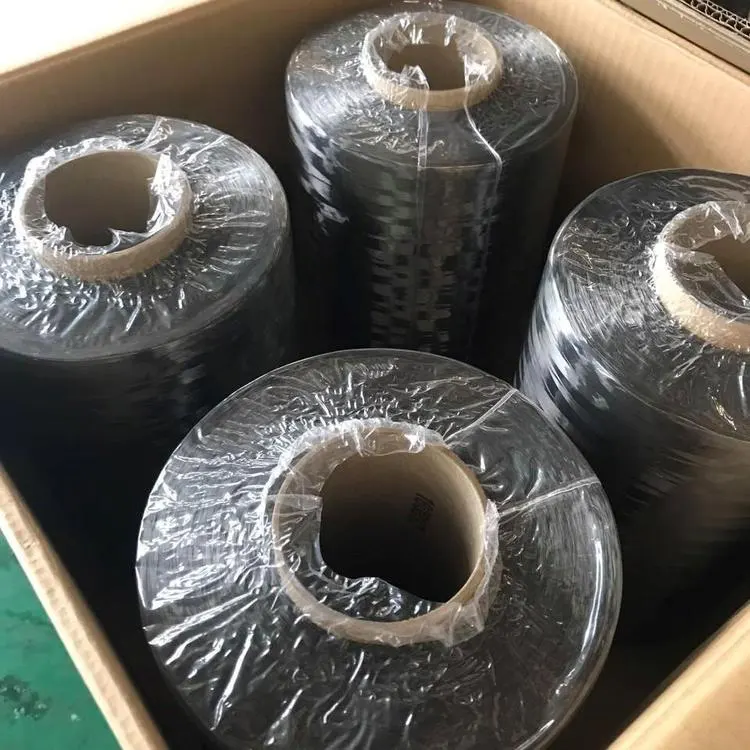
Shelf life: 12 months. Store in a cool, dry place away from direct sunlight and moisture. Keep rolls horizontal; do not stack heavy items. Use within 6 months for large engineering projects.
Hot Tags: 6K Bidirectional Carbon Fiber Fabric
Send Inquiry
Contact Info
-
Address
East of Chongde 11th Road, East Zone, Economic and Technical Development Zone Project, Dezhou City, Shandong Province, China
-
Tel
-
E-mail
Welcome global purchasers to submit your demand via this inquiry page of JUN TENG carbon fiber supplier in China. You can leave your requirements on carbon fiber reinforcement fabric, woven carbon fiber fabric, carbon-carbon materials, specification customization, sample service and bulk order price. Our professional engineers will reply with tailored solutions and quotation within 24 hours.