
How Does Unidirectional Carbon Fiber Fabric Improve Composite Material Performance?
Article Summary:
Unidirectional carbon fiber fabric has become an essential reinforcement material for industries requiring lightweight structures, high strength, and excellent durability. From aerospace components and automotive parts to sports equipment and industrial applications, this advanced composite material helps engineers overcome challenges related to weight reduction, mechanical performance, and structural reliability. This article explains how unidirectional carbon fiber fabric works, why it is widely used, what problems it solves, and how JUNTENG provides reliable carbon fiber fabric solutions for different application needs.
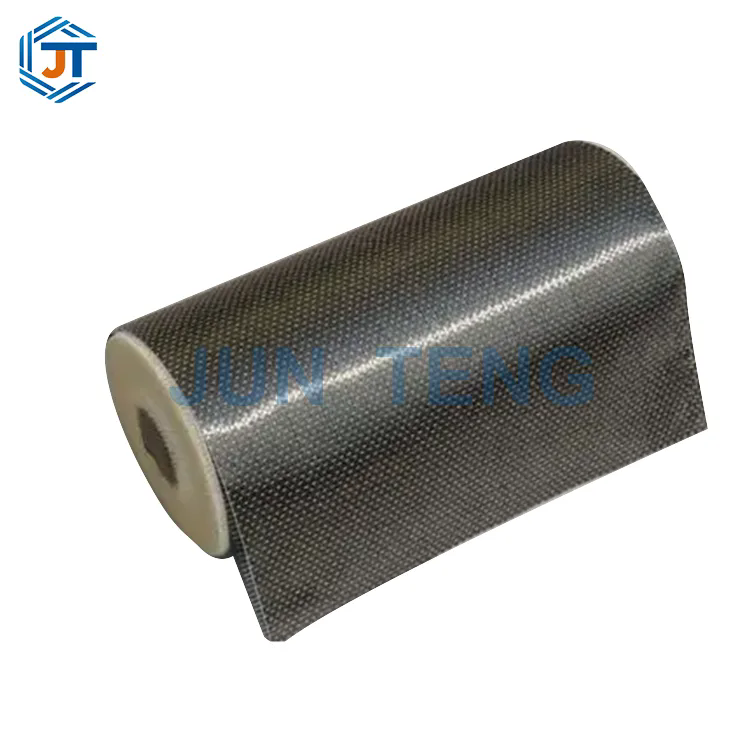
Table of Contents
- What Is Unidirectional Carbon Fiber Fabric?
- How Does Unidirectional Carbon Fiber Fabric Work?
- What Advantages Does Unidirectional Carbon Fiber Fabric Provide?
- Where Is Unidirectional Carbon Fiber Fabric Used?
- How to Select the Right Unidirectional Carbon Fiber Fabric?
- Why Choose JUNTENG for Carbon Fiber Fabric Solutions?
- Frequently Asked Questions
What Is Unidirectional Carbon Fiber Fabric?
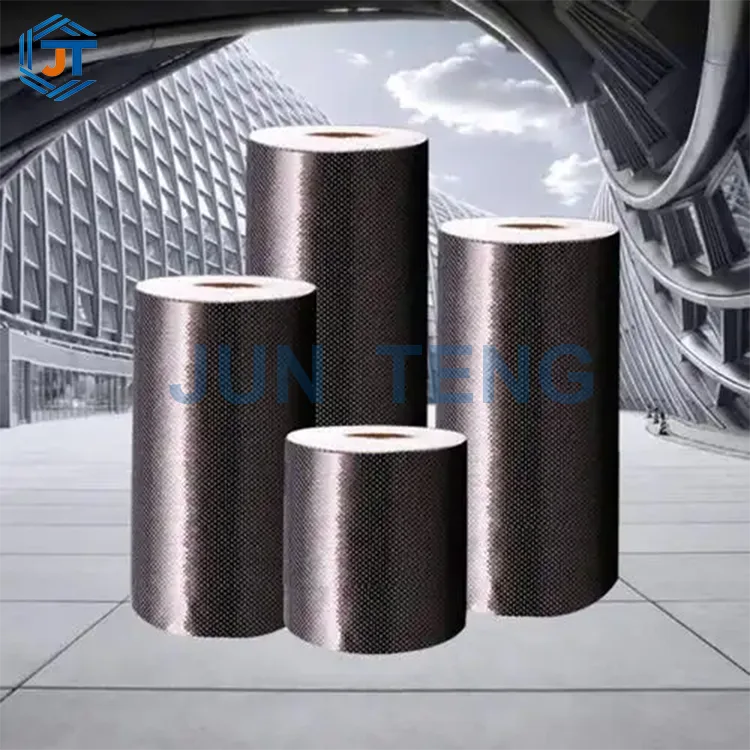
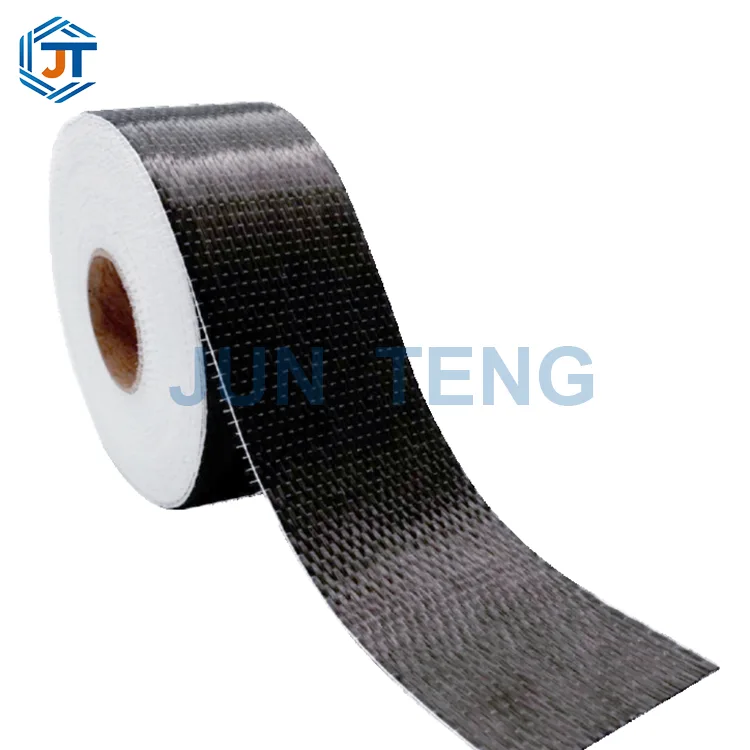
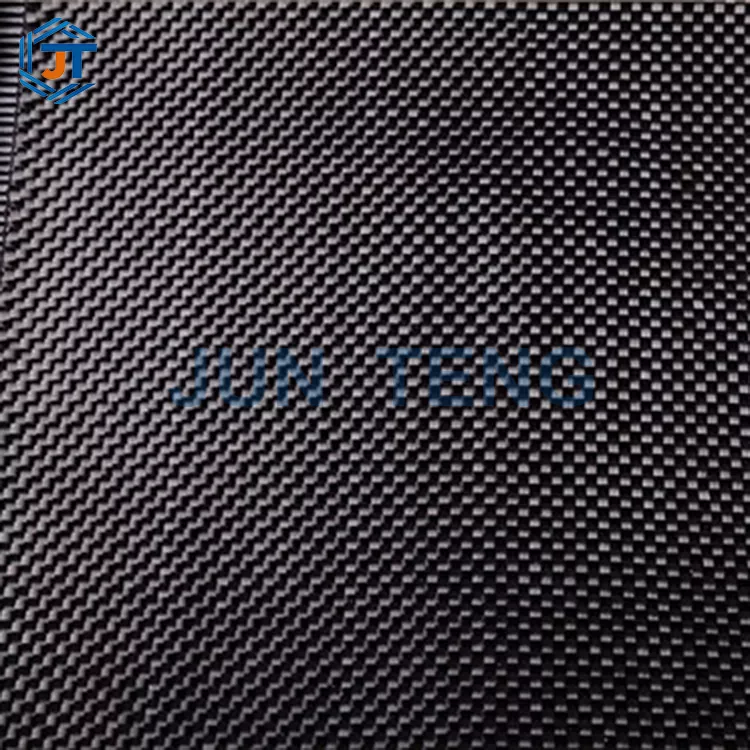
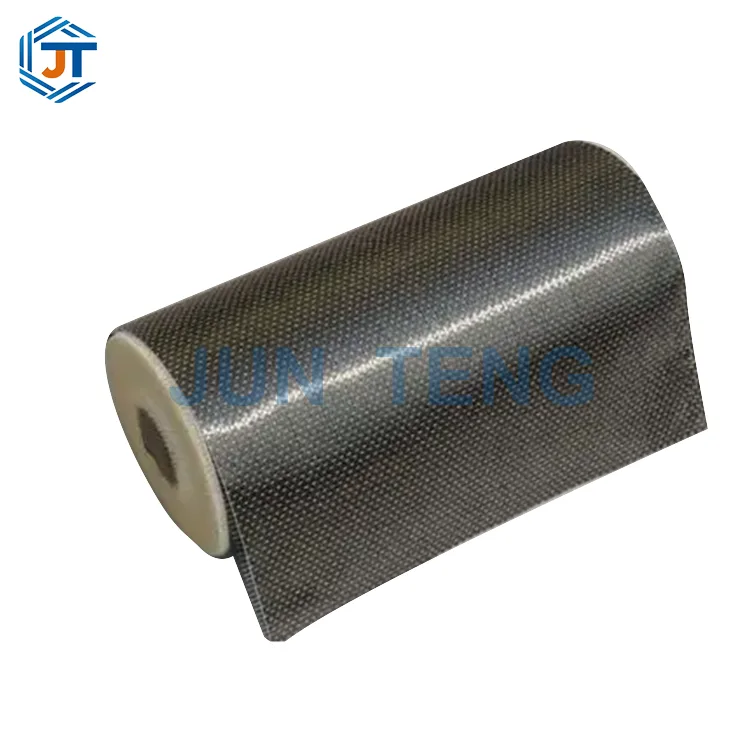
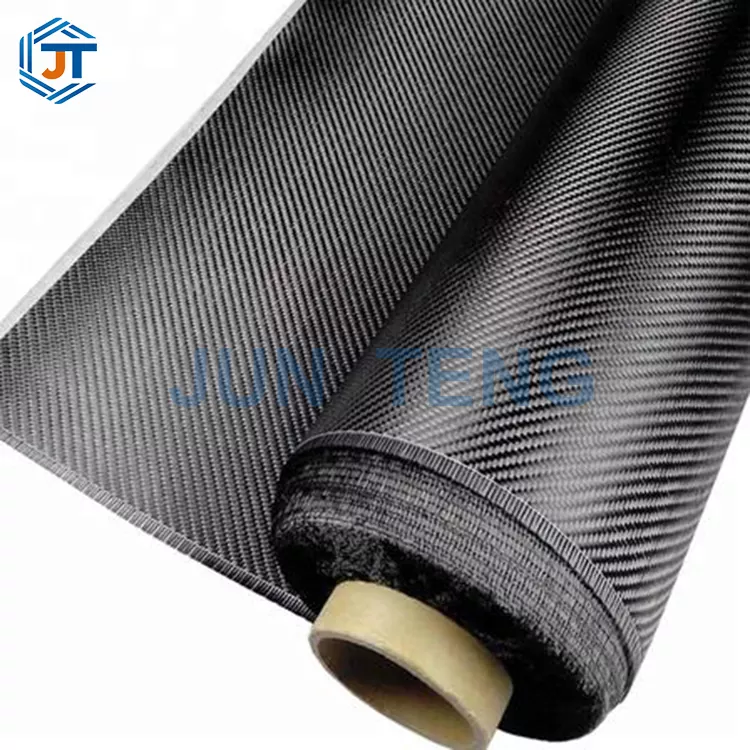
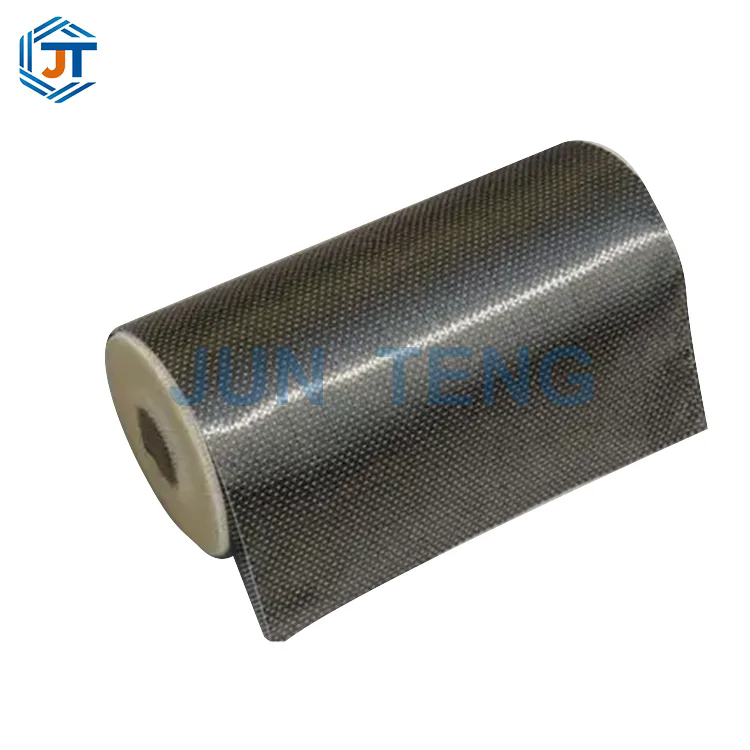
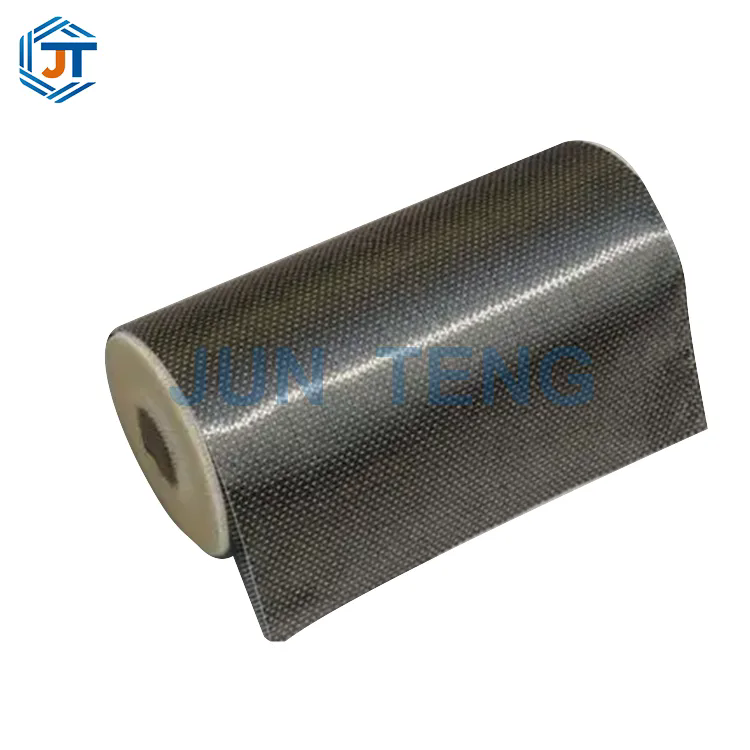
Unidirectional carbon fiber fabric is a specialized composite reinforcement material where carbon fiber filaments are arranged primarily in one direction. Unlike woven carbon fiber fabrics, which contain fibers crossing horizontally and vertically, unidirectional fabric concentrates most fibers along a single axis to provide maximum strength and stiffness in the required direction.
This structure allows engineers to optimize composite designs by placing reinforcement exactly where mechanical loads occur. Because carbon fibers deliver outstanding tensile strength along their alignment direction, unidirectional carbon fiber fabric can significantly improve structural performance while maintaining a low overall weight.
Modern manufacturing industries increasingly demand materials that combine lightweight characteristics with superior mechanical properties. Traditional metals may provide strength but often increase weight, while conventional reinforcement materials may not offer sufficient performance. Unidirectional carbon fiber fabric helps solve these challenges by delivering an efficient balance between strength, stiffness, and weight reduction.
How Does Unidirectional Carbon Fiber Fabric Work?
The working principle of unidirectional carbon fiber fabric is based on directional reinforcement. Carbon fiber filaments are aligned continuously in one direction, allowing external forces to be transferred efficiently through the fiber structure.
When the fabric is combined with resin, it forms a carbon fiber reinforced polymer composite. The resin bonds the fibers together, while the carbon fibers carry most of the applied mechanical load. This combination creates a lightweight material system with excellent structural strength.
The performance advantages mainly come from three important characteristics:
- Continuous Fiber Alignment: The straight fiber arrangement maximizes tensile strength along the reinforcement direction.
- Efficient Load Transfer: Forces can move directly through the carbon fiber network with minimal energy loss.
- High Fiber Content: More carbon fiber reinforcement can be placed into the composite structure, improving overall performance.
For applications where forces mainly occur in one direction, unidirectional carbon fiber fabric provides a more efficient solution compared with traditional woven reinforcement materials.
What Advantages Does Unidirectional Carbon Fiber Fabric Provide?
Choosing the right reinforcement material directly affects product performance, manufacturing efficiency, and long-term reliability. Unidirectional carbon fiber fabric offers several advantages that address common engineering challenges.
-
Excellent Strength-to-Weight Ratio:
Carbon fiber provides high mechanical strength while remaining significantly lighter than many traditional materials. This makes it ideal for applications where reducing weight is critical. -
Superior Stiffness Performance:
The aligned fiber structure improves resistance against bending and deformation, helping components maintain their original shape under heavy loads. -
Improved Fatigue Resistance:
Carbon fiber composites can withstand repeated loading cycles, making them suitable for demanding environments where long service life is required. -
Corrosion Resistance:
Unlike many metal materials, carbon fiber does not rust or corrode easily, reducing maintenance requirements. -
Design Flexibility:
Manufacturers can combine multiple layers with different orientations to achieve customized mechanical properties for specific applications.
Key Benefits Compared with Traditional Reinforcement Materials
Engineers often compare different reinforcement options before selecting the best material for a project. The following points explain why unidirectional carbon fiber fabric is becoming increasingly popular.
- Lower structural weight compared with steel reinforcement.
- Higher tensile performance than many conventional composite fabrics.
- Better resistance to environmental factors.
- Greater freedom in advanced structural design.
- Reduced maintenance requirements during product lifetime.
These benefits make unidirectional carbon fiber fabric an effective choice for manufacturers looking to improve product quality while controlling production efficiency.
Where Is Unidirectional Carbon Fiber Fabric Used?
The unique properties of unidirectional carbon fiber fabric allow it to serve a wide range of industries. Different sectors use this material to solve specific engineering challenges.
-
Aerospace Industry:
Aircraft manufacturers use carbon fiber composites to reduce structural weight while maintaining high strength and safety standards. -
Automotive Manufacturing:
Vehicle manufacturers apply carbon fiber reinforcement in lightweight components to improve efficiency and performance. -
Sports Equipment:
Bicycles, racing equipment, and professional sporting products benefit from the stiffness and lightweight characteristics of carbon fiber. -
Marine Applications:
Boat structures and marine components use carbon fiber materials because of their durability and resistance to harsh environments. -
Industrial Equipment:
Machinery components requiring high strength and low weight can achieve better performance through carbon fiber reinforcement. -
Construction Reinforcement:
Carbon fiber fabric can be applied for structural strengthening and repair projects where traditional methods are less efficient.
How to Select the Right Unidirectional Carbon Fiber Fabric?
Selecting suitable carbon fiber fabric requires careful consideration of application requirements. Using an unsuitable material may increase costs or reduce expected performance.
- Fiber Type: Different carbon fiber grades provide different strength and modulus characteristics.
- Fabric Weight: The weight per square meter influences reinforcement levels and final composite thickness.
- Resin Compatibility: The fabric should work effectively with the selected resin system.
- Application Environment: Temperature, moisture, chemical exposure, and mechanical loading should be evaluated.
- Manufacturing Process: The fabric should match production methods such as hand lay-up, vacuum infusion, or other composite techniques.
Professional technical support can help manufacturers avoid material selection problems and achieve stable production results.
Why Choose JUNTENG for Carbon Fiber Fabric Solutions?
JUNTENG focuses on developing and supplying high-quality carbon fiber materials designed for modern composite applications. With experience in carbon fiber production and material solutions, JUNTENG understands that different industries require different reinforcement performance.
The company provides unidirectional carbon fiber fabric solutions that emphasize consistent quality, reliable mechanical performance, and application adaptability. By controlling production processes carefully, JUNTENG helps customers achieve better composite structures with improved strength, durability, and efficiency.
Whether customers need materials for industrial components, lightweight structures, or customized composite projects, JUNTENG works closely with clients to provide suitable carbon fiber fabric solutions based on practical requirements.
Important Factors That Affect Composite Performance
- Carbon fiber quality and consistency.
- Correct fiber orientation during manufacturing.
- Proper resin selection and curing process.
- Accurate production methods.
- Professional quality inspection procedures.
A high-performance composite system depends not only on the reinforcement material but also on the complete manufacturing process. Selecting an experienced supplier helps ensure stable results and long-term product reliability.
Frequently Asked Questions
Q1: What makes unidirectional carbon fiber fabric different from woven carbon fiber fabric?
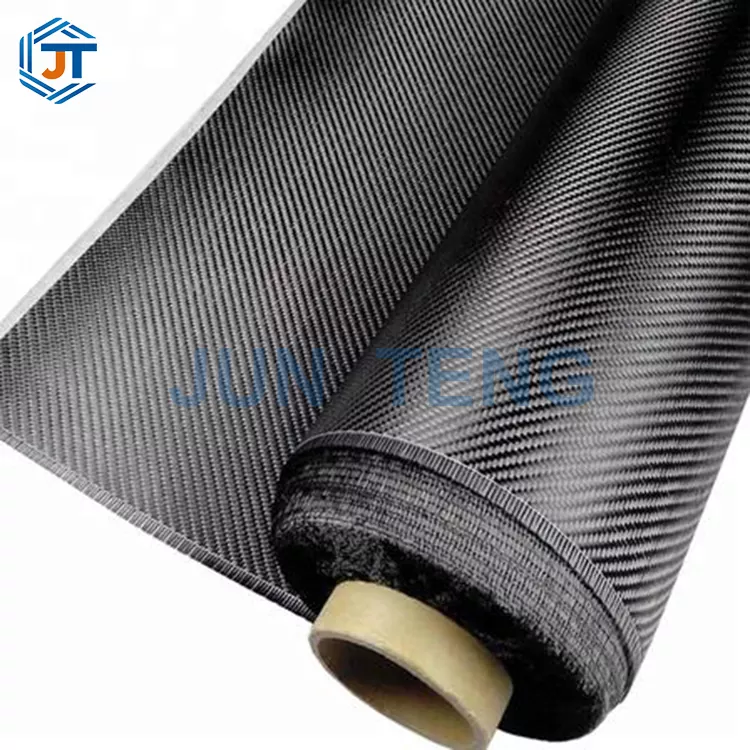
Unidirectional carbon fiber fabric arranges most fibers in a single direction, providing maximum strength along that axis. Woven carbon fiber fabric has interlaced fibers in multiple directions and provides more balanced performance.
Q2: Can unidirectional carbon fiber fabric be customized?
Yes. Manufacturers can customize fabric specifications according to fiber type, weight, thickness, and application requirements.
Q3: Is unidirectional carbon fiber fabric suitable for industrial applications?
Yes. It is widely used in industrial equipment, transportation, aerospace, construction reinforcement, and many other fields requiring lightweight strength.
Q4: Why is carbon fiber lighter than metal materials?
Carbon fiber has a high strength-to-weight ratio, meaning it can provide excellent mechanical performance while using less material compared with many traditional metals.
Q5: How can customers choose a reliable carbon fiber fabric supplier?
Customers should consider manufacturing capability, product consistency, technical support, quality control systems, and experience in supplying solutions for similar applications.
Conclusion
Unidirectional carbon fiber fabric plays an important role in advanced composite manufacturing by providing exceptional strength, stiffness, lightweight performance, and durability. Its directional fiber structure allows engineers to design more efficient products while solving common challenges related to weight reduction and structural performance.
As industries continue searching for stronger and lighter materials, reliable carbon fiber solutions become increasingly valuable. JUNTENG provides professional unidirectional carbon fiber fabric products designed to support various applications with dependable quality and performance.
If you are looking for high-quality unidirectional carbon fiber fabric solutions for your next project, contact us today. JUNTENG is ready to provide professional support and customized solutions to help you achieve better composite performance.
Related News
- Is the Carbon Carbon Nut the 2000℃ Zero-Failure Fastener That Solves All Long-Standing High-Temperature Furnace Operational Pain Points for Photovoltaic and Semiconductor Manufacturers
- Why Is 200g Twill Carbon Fiber Woven Fabric the Most Versatile Balanced-Performance Carbon Composite Substrate for Modern Lightweight Manufacturing and High-End Design in 2026
- How Can Carbon Carbon Thermal Insulation Materials Improve High-Temperature Furnace Efficiency
- Why Is 200g Twill Carbon Fiber Woven Fabric an Ideal Choice for Lightweight Composite Applications
- Why Are Carbon Carbon Studs Becoming the Preferred Fastening Solution for Ultra-High-Temperature Applications
- How Does Jacquard Carbon Fiber Fabric Improve Performance and Design Possibilities?
Leave me a message