


Carbon Carbon Screws
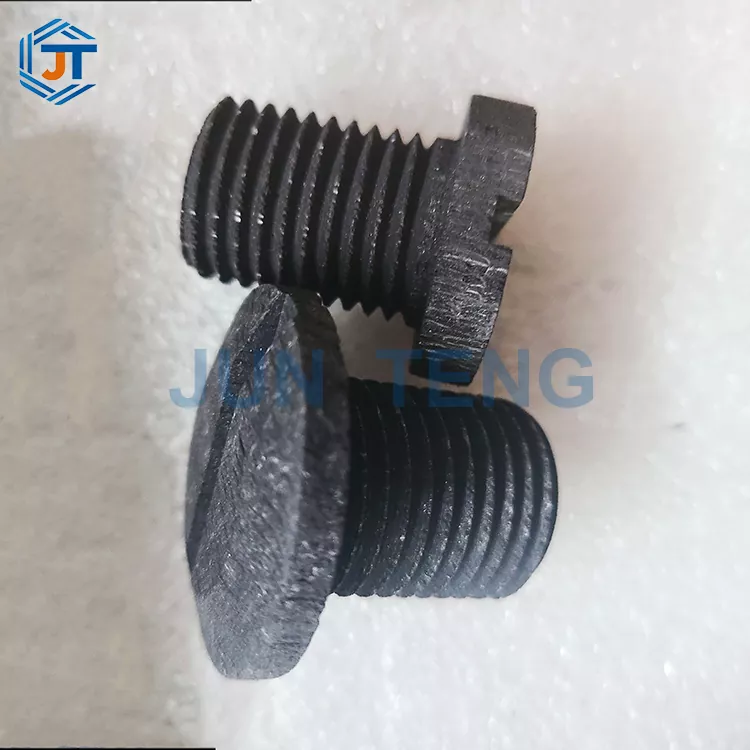
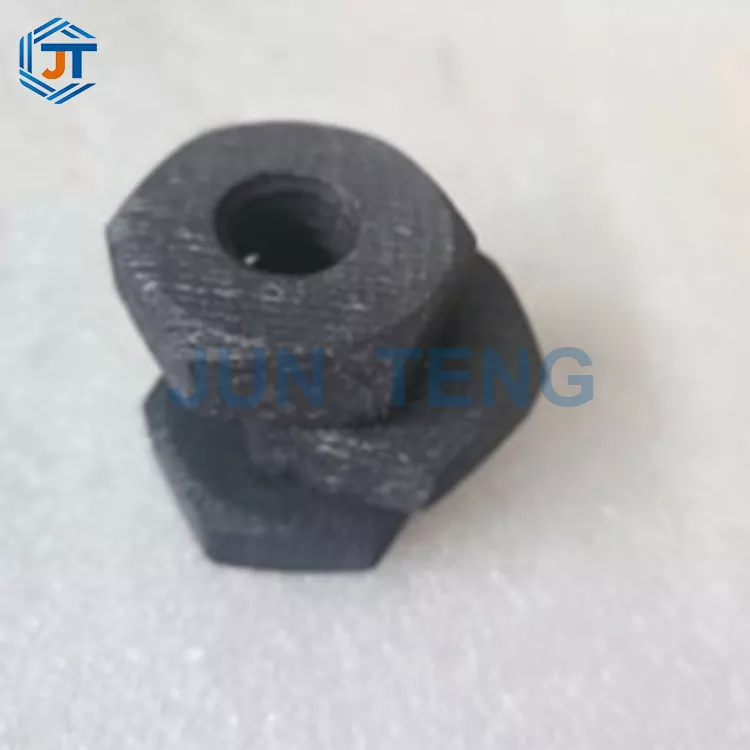
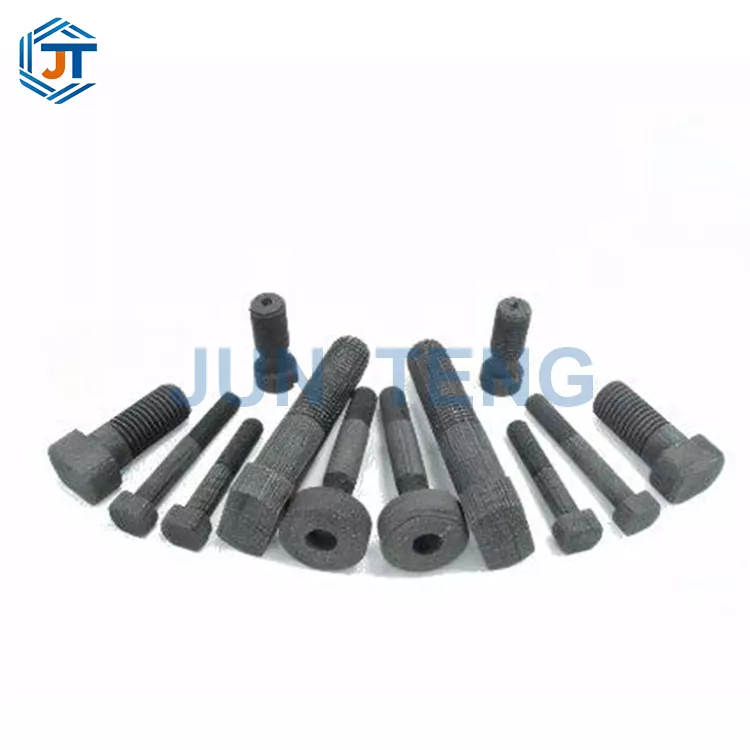
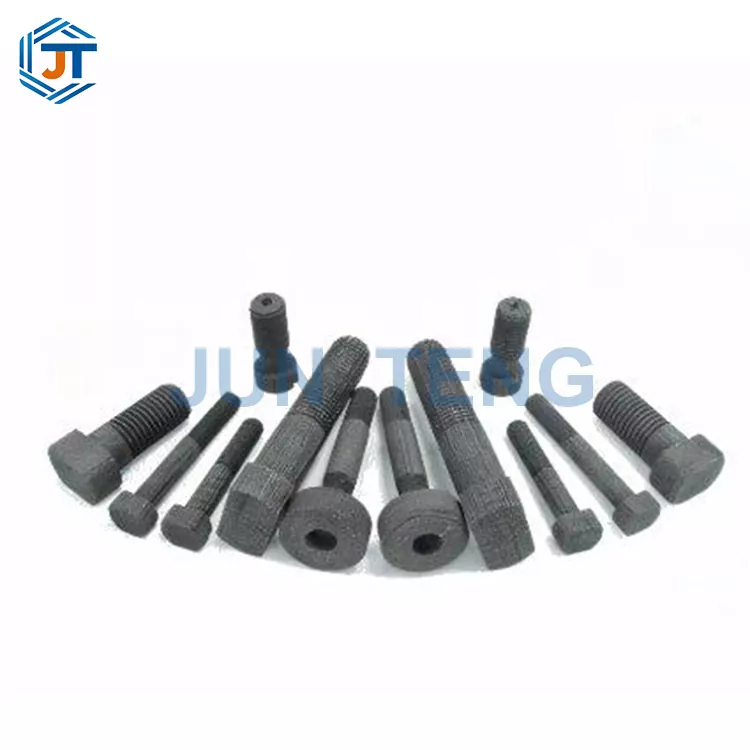
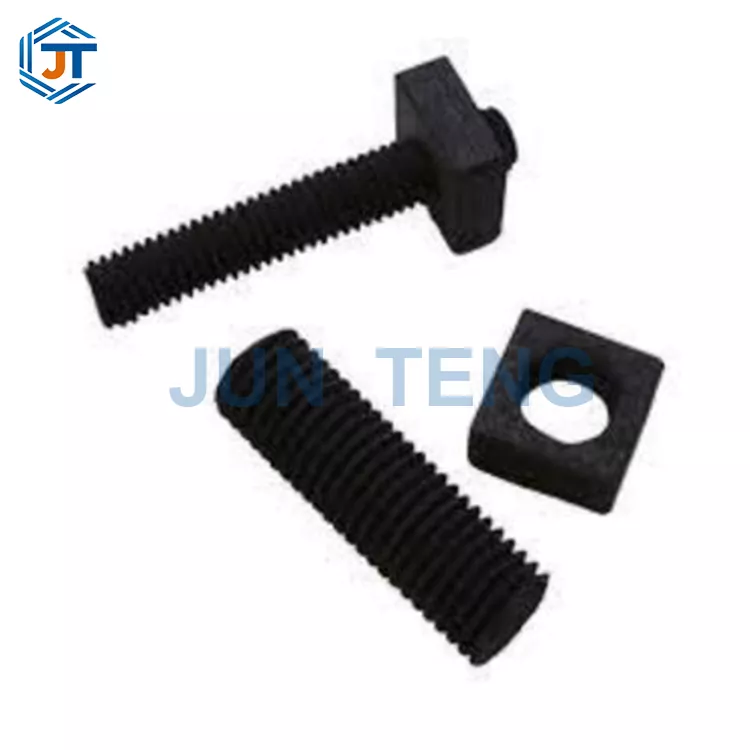
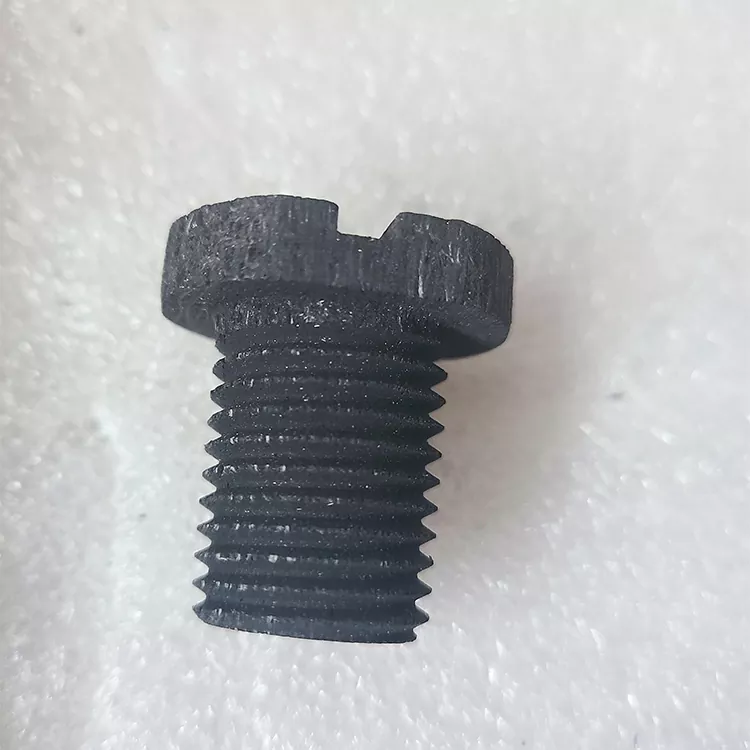
JUN TENG's Carbon Carbon Screws are factory-direct high-temperature fasteners manufactured through a three-dimensional weaving and multi-cycle densification process. Designed for smaller diameters (M3-M16) and a wide variety of head types—flat head, countersunk, pan head, and custom geometries—they are ideal for precision fastening in confined spaces, delicate thermal field assemblies, and applications requiring flush mounting. With 2200°C temperature resistance, 70% weight reduction over metal screws, and ash content ≤600ppm, they deliver reliable, contamination-free performance in photovoltaic, semiconductor, and high-temperature industrial environments.
JUN TENG has been deeply involved in the carbon carbon composite materials industry for 18 years, operating as an integrated source manufacturer covering R&D, weaving, molding, graphitization, and precision machining. Our Carbon Carbon Screws are high-end high-temperature fastening accessories, manufactured from three-dimensional carbon fiber preforms and high-purity carbon matrix composites—fundamentally different from ordinary carbon fiber screws, plastic screws, or traditional metal high-temperature screws.
C/C Screws vs. C/C Bolts: What's the Difference?
While our C/C Bolts are designed for heavy-duty flange and hex-head fastening applications with larger diameters (typically M8-M24), C/C Screws cover a broader range of head types—flat head, countersunk, pan head, and custom geometries—with smaller diameters (M3-M16). Screws are ideal for precision fastening in confined spaces, delicate thermal field assemblies, and applications requiring flush mounting without protruding heads. Both share the same high-purity carbon material system and 2200°C temperature resistance, but screws offer greater head-style flexibility and are better suited for thin-plate fastening and space-constrained installations.


Core technical parameters of the product
|
Test Item |
Unit |
Measured Data of C/C Screws |
Comparison with Traditional Metal High-temperature Screws |
|
Bulk Density |
g/cm³ |
1.62-1.70 |
Above 7.90 |
|
Max Temperature Resistance (Inert Environment) |
℃ |
2200 |
≤850 |
|
Thermal Expansion Coefficient |
10⁻⁶/K |
0.8-1.3 |
Approx. 16.5 |
|
High-temperature Compressive Strength (1800℃) |
MPa |
≥135 |
Failure and softening at high temperature |
|
Ash Impurity Content |
ppm |
≤600 |
High metal impurities and easy precipitation |
|
Material Characteristics |
— |
Non-magnetic, high-purity, pollution-free |
Magnetic, prone to metal pollution |
|
Product Weight |
— |
Over 70% lighter than metal screws |
Heavy weight and high load |


Core advantages
1.Ultra-high temperature resistance—Stable operation at 2200°C in inert atmospheres with zero creep or deformation, eliminating frequent replacements caused by metal screw softening and fracture.
2.Low thermal expansion for thermal field compatibility—Thermal expansion coefficient (0.8-1.3×10⁻⁶/K) matches graphite components, maintaining thread clearance stability through temperature cycling.
3.High purity with zero metal contamination—All-carbon structure with ash content≤600ppm, no metal ion precipitation at high temperatures, protecting silicon wafers and semiconductor materials from contamination.
4.70% weight reduction—Density of only 1/5 of traditional metal screws, reducing furnace and thermal field load, extending equipment service life.
5.Superior corrosion and thermal shock resistance—Withstands repeated heating and cooling cycles without cracking, outperforming molybdenum and tungsten screws in overall cost-effectiveness.

Introduction to Production Process
Junteng's Carbon Carbon Screws adopt fully independent integrated precision production technology, with layers of quality control to ensure stable performance of each batch of products.
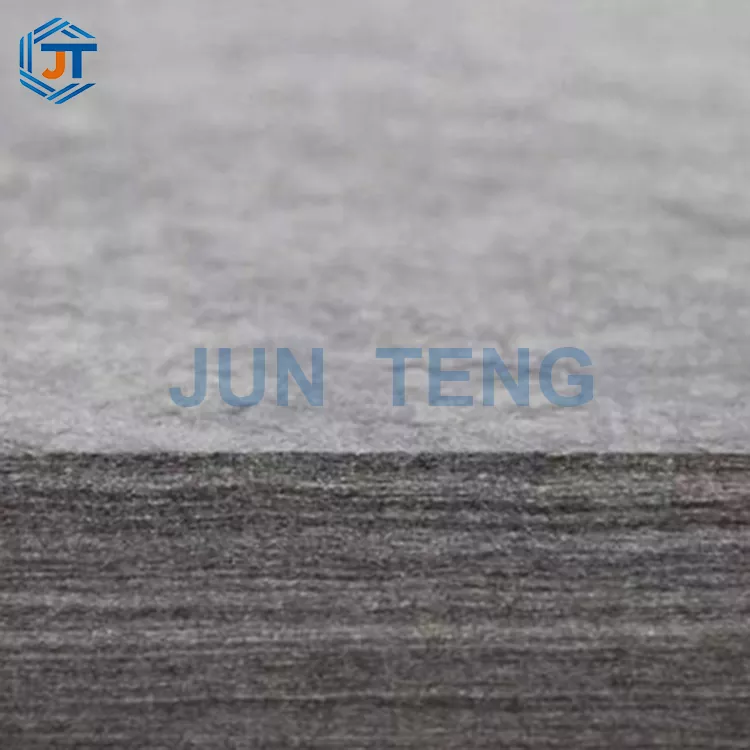
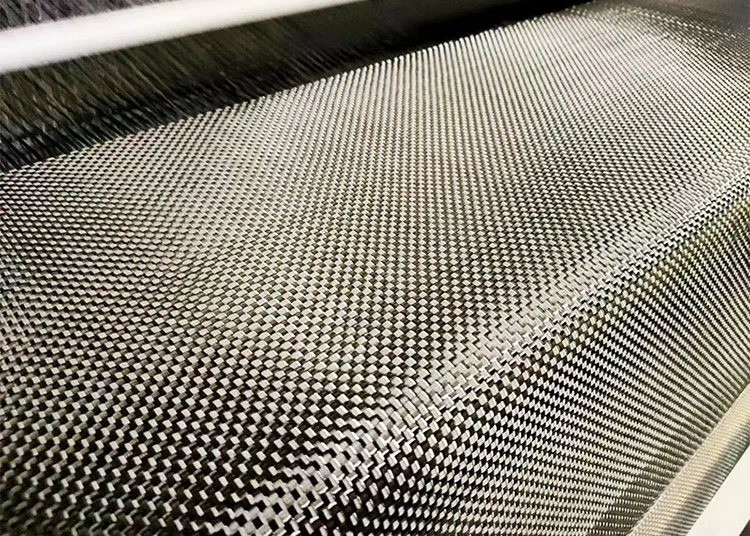
The first step is to use 12K continuous carbon fiber three-dimensional woven prefabricated body to ensure continuous fiber layering and improve the overall structural strength;
The second step is to perform multiple vacuum high-pressure asphalt impregnations to fill the internal pores and improve the density of the product;
The third step is to undergo segmented carbonization treatment at 1000℃to solidify the matrix structure;
The fourth step is to purify by ultra-high temperature graphitization at 2800℃to remove trace impurities and achieve high purity indicators;
The fifth step is to use diamond special cutting tools for five axis CNC precision machining of threads, with full tooth profiles without broken edges or burrs, and precise thread engagement without slipping;
Finally, SiC anti-oxidation coatings can be customized according to customer operating conditions to expand the use of aerobic environments.
Application scenarios and purposes
1. Photovoltaic & New Energy Equipment (M3-M10 recommended)
Single crystal furnace and polycrystalline furnace graphite thermal field fixation, insulation felt pressure plates, graphite component fastening—small-diameter screws enable precise fastening in confined furnace spaces.
2. Semiconductor Precision Equipment (M3-M8 recommended)
Internal fastening for CVD deposition furnaces, vacuum diffusion furnaces, and high-purity heat treatment furnaces—non-magnetic, contamination-free screws protect wafer integrity.
3. Industrial High-Temperature Heat Treatment (M6-M16 recommended)
Fixture fixing for vacuum sintering furnaces, carbonization furnaces, and graphitization furnaces—replaces expensive molybdenum fasteners.
4. Aerospace & Research Equipment (M3-M12 recommended)
High-temperature thermal field testing equipment, thermal protection structures, high-temperature tube furnaces—lightweight screws reduce overall assembly weight.
Instructions for use
1. Clean the dust inside the threads before assembly, and apply high-purity graphite lubricant powder thinly to reduce thread wear;
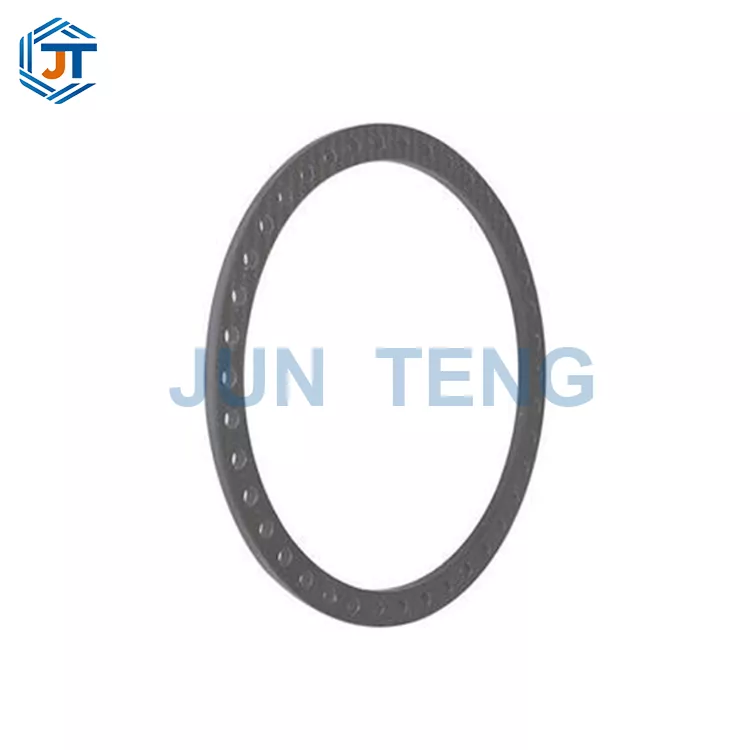
2. It is necessary to use a torque wrench to tighten evenly, and it is forbidden to use brute force to strike or install pneumatic cannons to prevent thread cracking; 3. It is recommended to use graphite gaskets and carbon carbon gaskets, and it is forbidden to directly press the screw head with hard metal gaskets;
4. The installation of multiple screws follows the principle of symmetrical and staged tightening to avoid uneven stress and cracking;
5. The uncoated version is only suitable for inert environments such as vacuum, nitrogen, argon, etc. The SiC anti-oxidation coating version should be selected for aerobic conditions.
Precautions
Carbon carbon materials belong to brittle composite materials and are strictly prohibited from impact, falling, or strong squeezing; Uncoated products cannot be used for a long time in air environments above 800℃, as it may cause oxidation damage; It is not recommended to disassemble and reassemble frequently, as multiple disassembly will wear down the threads and affect the fitting accuracy; Storage should be kept dry and ventilated to avoid long-term moisture absorption, which may cause cracking during high-temperature use; It is prohibited to directly adhere to metal parts and mix them at high temperatures to prevent electrochemical corrosion from affecting their service life.
Customer core concerns and solutions
|
Core Customer Concerns |
Targeted Solutions |
|
High-temperature screws are prone to fracture, loosening and frequent replacement |
Carbon-carbon materials maintain stable performance at 2200℃ without creep or deformation. One-time fastening ensures long-term service, greatly reducing replacement frequency. |
|
Metal fasteners cause pollution to high-purity production environments |
Adopting all-carbon high-purity material with no metal precipitation, meeting the high cleanliness production requirements of photovoltaic and semiconductor industries. |
|
Imported/molybdenum-tungsten high-temperature parts have high prices and long lead times |
Direct factory sales with sufficient stock and short customization cycles. Factory prices effectively reduce procurement costs. |
|
Worried about dimensional deviation, thread slipping and unstable quality |
Adopting full CNC precision machining with batch sampling inspection and full dimensional & appearance inspection before delivery. Re-inspection of incoming goods is supported. |
Authoritative qualifications and certifications
The factory has ISO9001 quality management system certification and safety production standardization certification; The product is equipped with third-party CNAS mechanical performance testing reports, high-temperature stability testing reports, and purity ash content testing reports; As a qualified supplier for multiple listed photovoltaic and semiconductor companies, all qualifications can be verified externally, and each batch of products comes with factory quality inspection records that can be traced throughout the process.
Frequently Asked Questions
Q1: What is the difference between Carbon Carbon Screws and regular carbon fiber screws?
A: Ordinary carbon fiber screws contain resin and have a temperature resistance of only about 200℃. They decompose and fail directly at high temperatures; Carbon carbon screws are resin free, all carbon structure, and can withstand temperatures up to 2200℃. They are professional industrial high-temperature accessories and cannot be used interchangeably.
Q2: Can it be used directly in the air?
A: Ordinary uncoated models are only suitable for vacuum/inert atmospheres; SiC anti-oxidation coating can be customized for high temperature use in air, with a maximum resistance to 1600℃oxidation environment.
Q3: Does it support customized non-standard sizes?
A: Support customization of various non-standard length, thickness, countersunk head, flat head, and fine tooth special specifications, with high CNC machining accuracy, suitable for various equipment modification needs.
Q4: What is the approximate lifespan?
A: Vacuum inert conventional working conditions can be used for 12-24 months, while coating aerobic working conditions can be used for 6-12 months, with stable working conditions and extremely low losses.
Transaction guarantee and after-sales service
Transaction guarantee: 18 years of direct operation from the source factory, no middlemen to earn price differences, long-term stable ex factory price advantage; Support corporate signing, invoicing, and stamping of bidding documents; Support free samples, full refund for unqualified samples; Large scale orders can be signed with a quality assurance agreement. If the size or performance does not meet the standards, it can be returned or replaced. It supports factory inspection and full traceability.
After sales service: Professional technical engineers provide one-on-one guidance on working condition selection, and offer free installation torque and assembly process solutions; Free replacement for non-human damage during the product warranty period; Standard specifications in stock can be shipped within 48 hours, and customized orders can be tracked in real-time for progress; Provide lifelong technical consultation, equipment modification and adaptation solutions, and regular follow-up maintenance for old customers.
Hot Tags: Carbon Carbon Screws, Custom, China
Send Inquiry
Contact Info
-
Address
East of Chongde 11th Road, East Zone, Economic and Technical Development Zone Project, Dezhou City, Shandong Province, China
-
Tel
-
E-mail
Welcome global purchasers to submit your demand via this inquiry page of JUN TENG carbon fiber supplier in China. You can leave your requirements on carbon fiber reinforcement fabric, woven carbon fiber fabric, carbon-carbon materials, specification customization, sample service and bulk order price. Our professional engineers will reply with tailored solutions and quotation within 24 hours.