
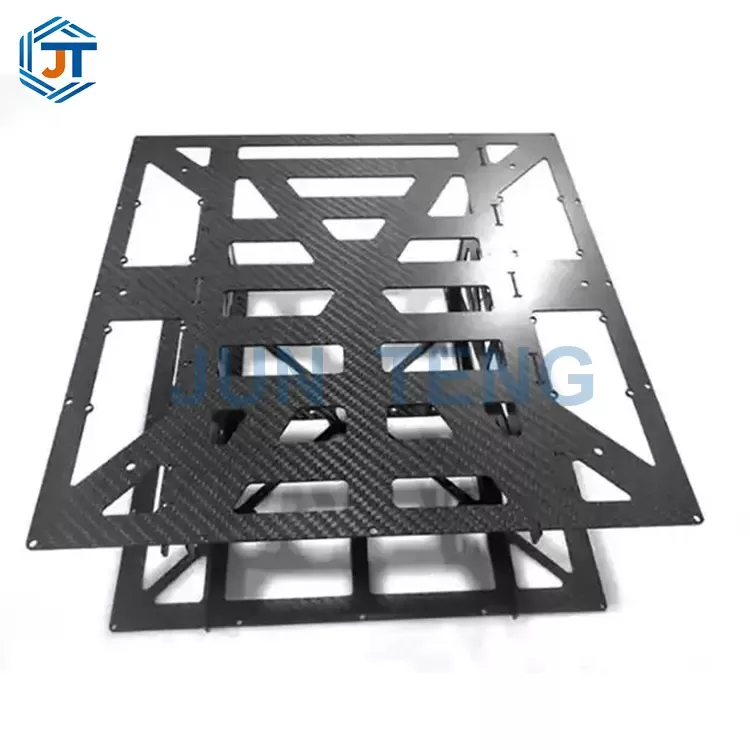
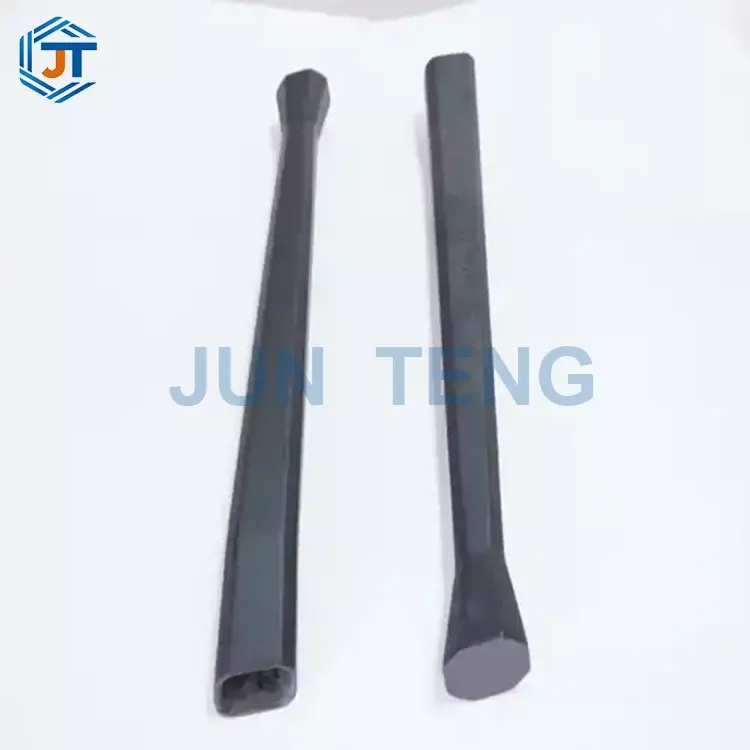
Carbon Carbon Thermal Insulation Materials
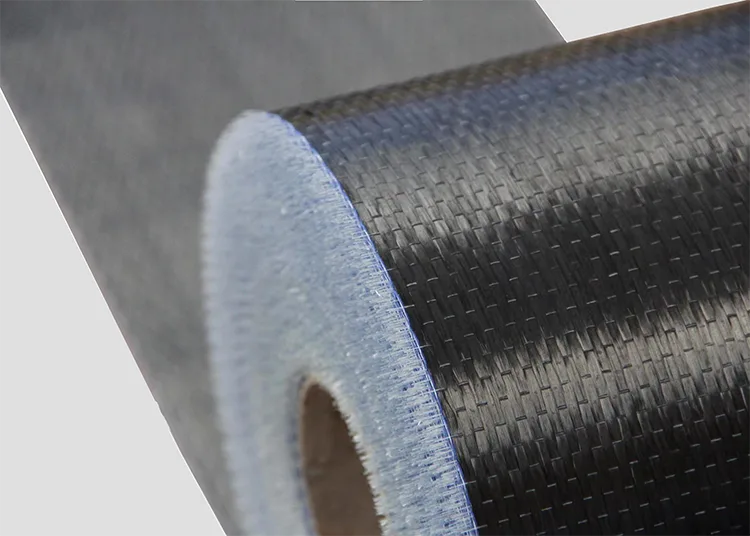
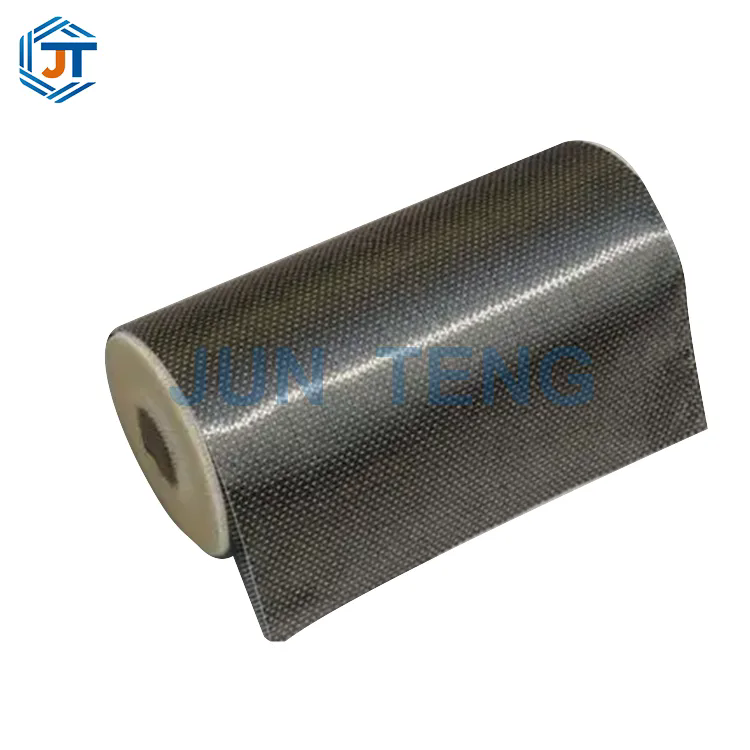
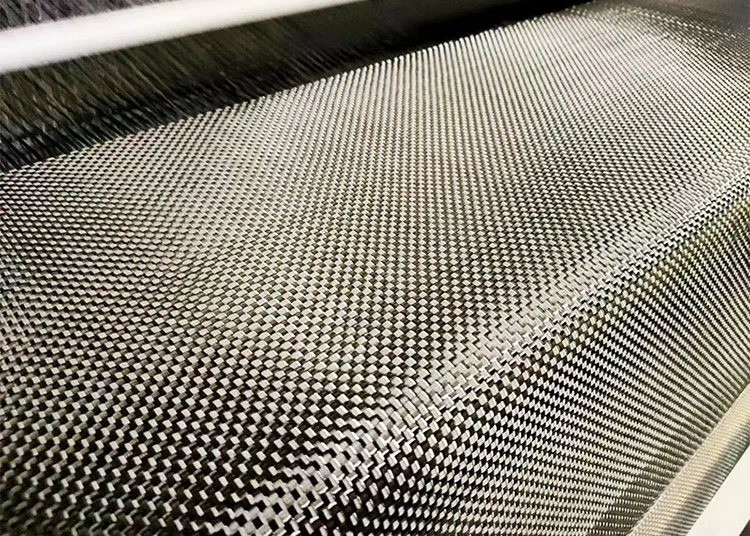
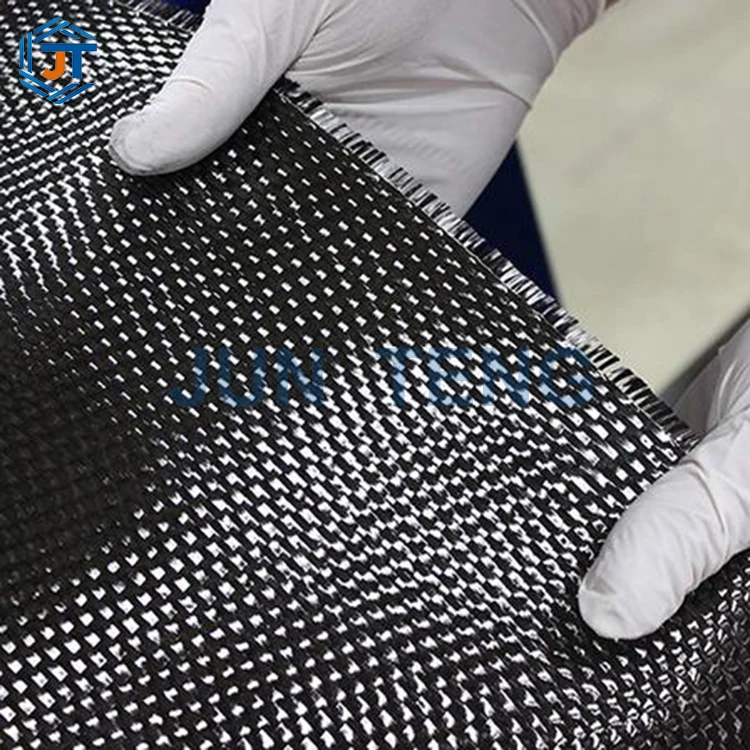
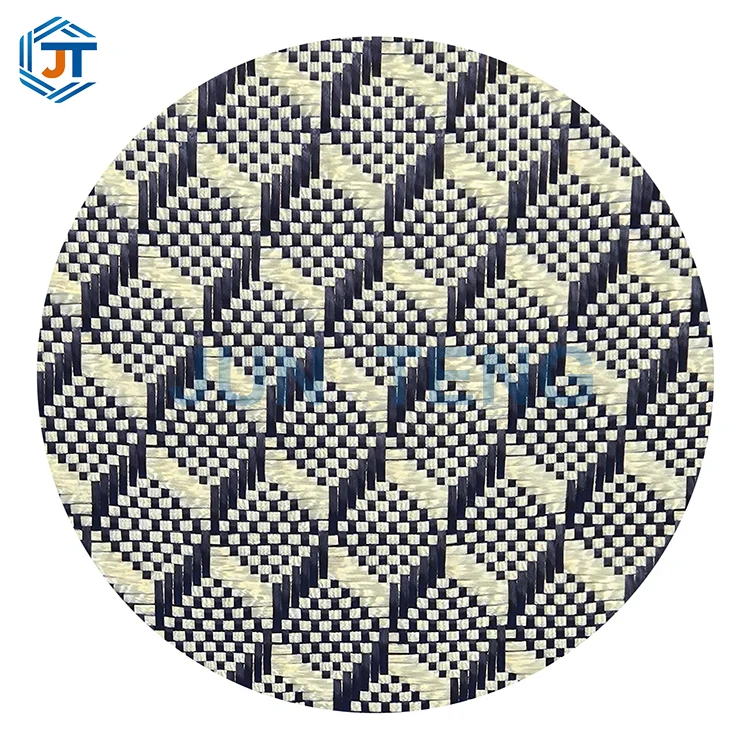
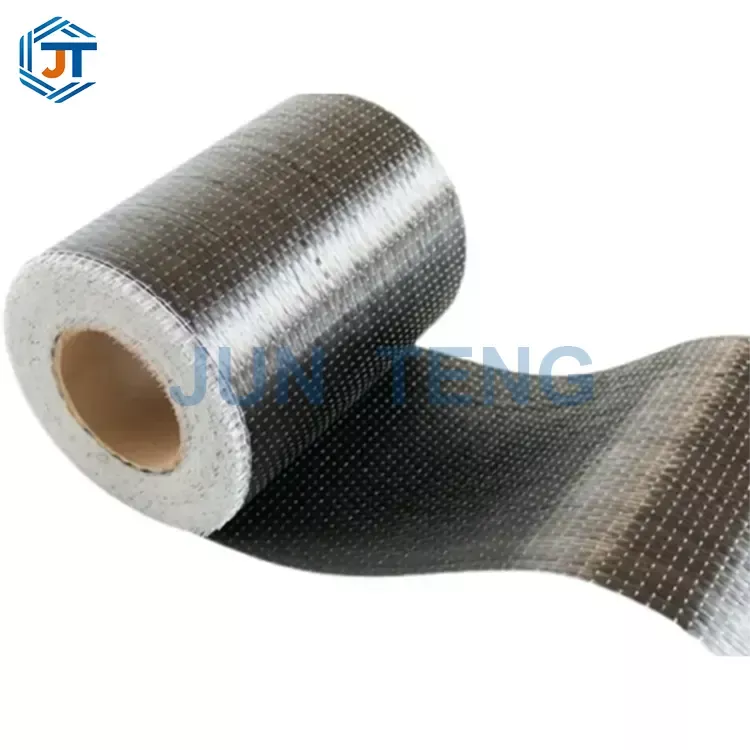
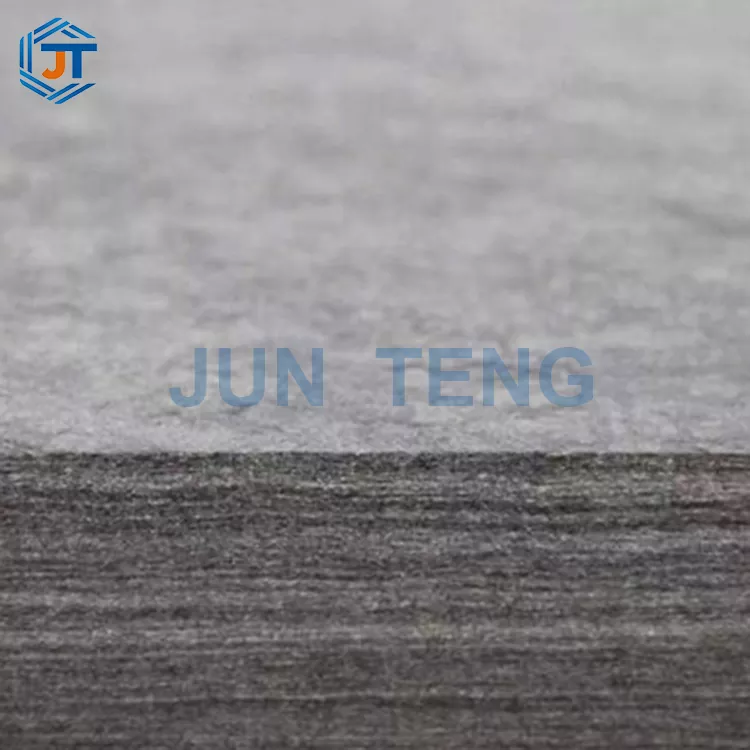
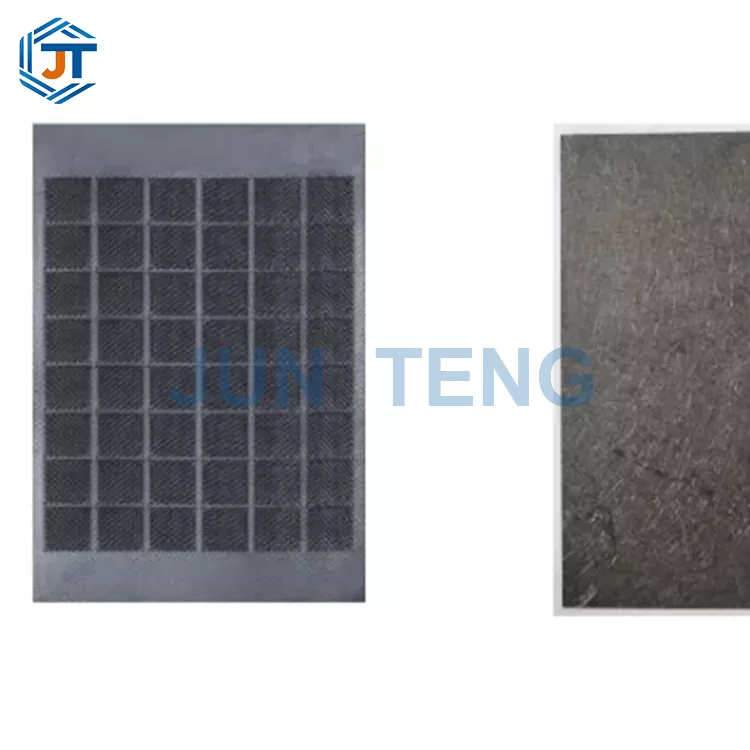
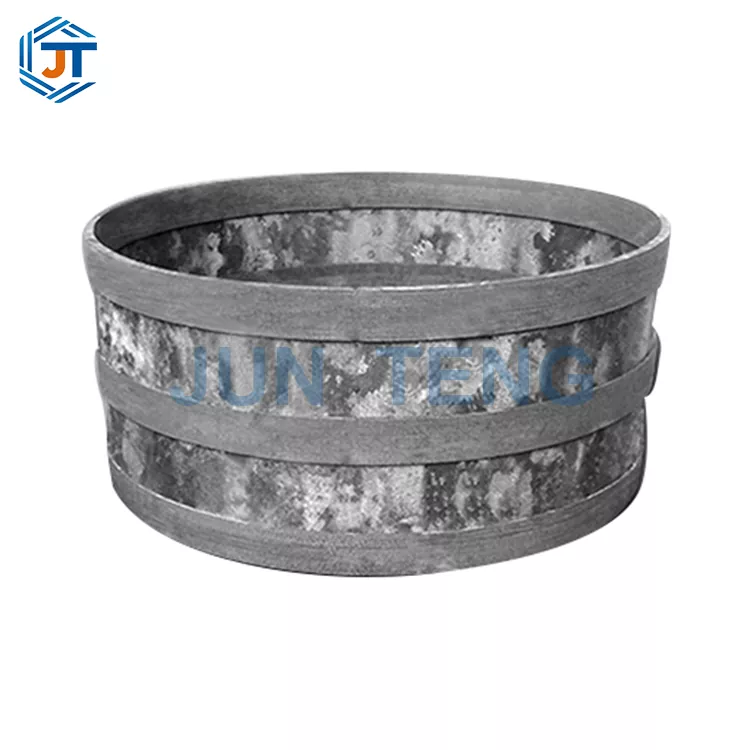
JUNTENG is a manufacturer and supplier of professional Carbon Carbon Thermal Insulation Materials in China. We adopt three-dimensional weaving integration technology, which can withstand an extremely high temperature of 2200℃, has a low thermal conductivity, is resistant to thermal shock, has high purity and no impurities, and has excellent sedimentation effect. Its lightweight insulation performance far exceeds graphite soft felt and ordinary carbon felt. We can customize SiC anti-oxidation coatings and perform molding and cutting according to requirements, and it is widely used in the thermal insulation of photovoltaic single crystal furnaces, semiconductor diffusion furnaces, and high-temperature sintering furnaces.
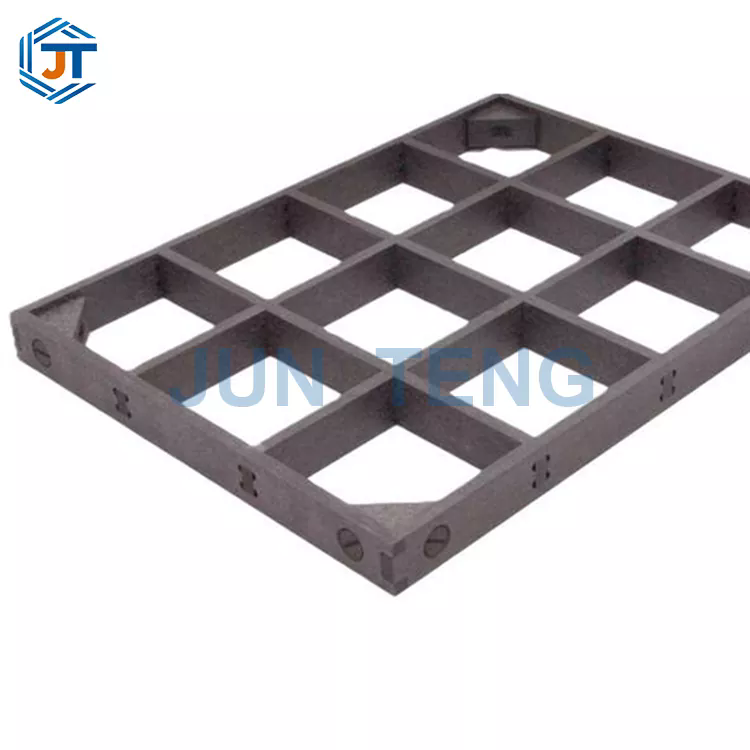
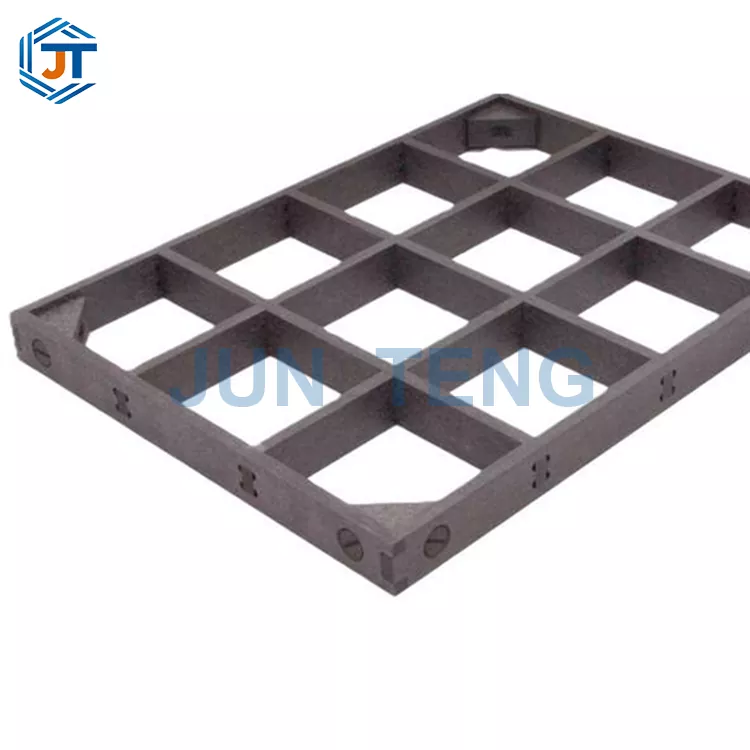
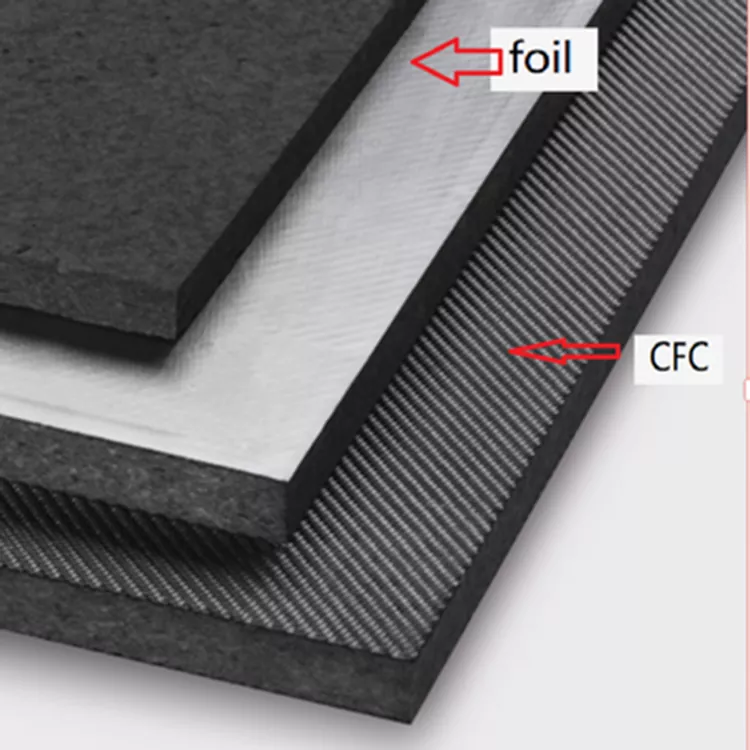
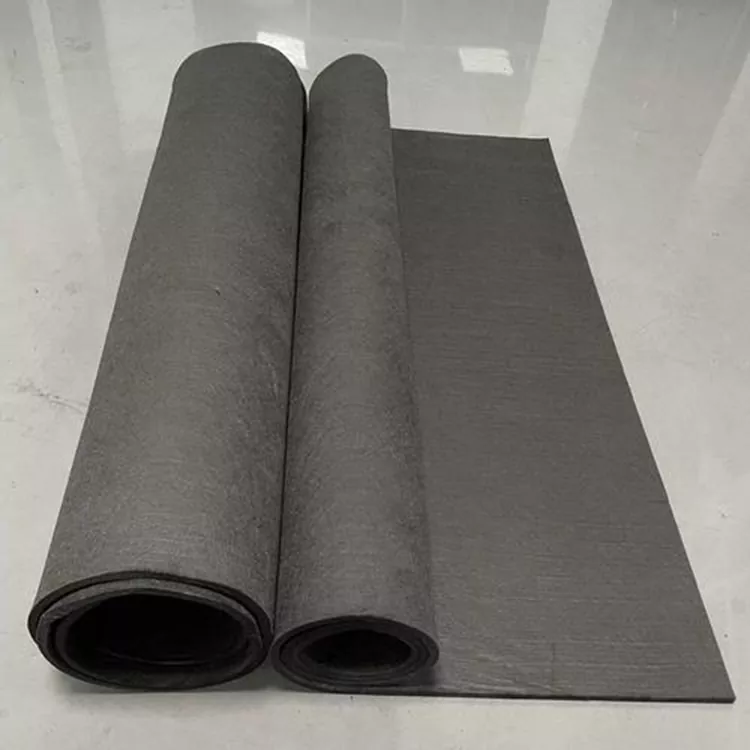
JUNTENG has been deeply involved in the research, development, and manufacturing of carbon carbon composite materials for 18 years, and has integrated a complete set of core processes including carbon fiber weaving, high-pressure impregnation, 2800℃high-temperature purification, and precision forming and cutting. The Carbon Carbon Thermal Insulation Materials we have developed are specialized insulation substrates for high-temperature vacuum thermal fields. They are divided into two categories: hard carbon insulation boards and flexible carbon insulation felt, which are different from ordinary asphalt carbon felt, graphite soft felt, and hard graphite board.
All indicators such as thermal conductivity, temperature resistance, and ash content have been measured by CNAS accredited laboratories, and the data is free of false standards. A test report can be attached with the goods. For many years, we have served leading enterprises in photovoltaics, semiconductors, and aviation heat treatment, accumulating a large number of continuous production heat field landing cases.
Our complete quality control system and professional materials engineering team fully support the professionalism of our content, efficiently solving the pain points of traditional insulation materials such as high temperature pulverization, fast thermal conductivity, furnace chamber pollution, and frequent replacement. We are the preferred insulation consumables for ultra-high clean and high-temperature equipment.
Comparison Table of Core Physical and Chemical Parameters
|
Test Item |
Unit |
JUNTENG C/C Insulation Material |
Ordinary Carbon Felt |
Graphite Soft Felt |
|
Max Temperature Resistance (Inert Environment) |
℃ |
2200 |
1400 |
1100 |
|
Thermal Conductivity at Room Temperature |
W/(m·K) |
0.12~0.18 |
0.35~0.50 |
0.42~0.65 |
|
Ash Impurity Content |
ppm |
≤520 |
≥1500 |
≥2000 |
|
Thermal Shock Cycle Life at 1600℃ |
Cycles |
≥1500 |
Pulverization & shedding after 400 cycles |
Cracking & slag falling after 260 cycles |
|
Overall Structural Stability |
— |
Integrally woven without delamination |
Loose fibers prone to shedding |
Soft texture easy to collapse |
|
Anti-Oxidation Treatment |
— |
Customizable SiC coating |
Dense anti-oxidation layer unavailable |
Rapid oxidative loss at high temperature |
Core advantages and selling points of the product
1. Ultra high temperature resistance, able to operate continuously at 2200℃under long-term stable insulation and inert atmosphere, far superior to ordinary carbon felt and graphite felt. It will not soften, shrink, or collapse at high temperatures and is suitable for long-term continuous production conditions in single crystal furnaces and high-purity annealing furnaces.
2. Low thermal conductivity, significant insulation and energy saving. The dense carbon fiber composite structure has extremely low thermal conductivity and strong temperature locking ability, greatly reducing furnace heat loss, reducing equipment energy consumption, stabilizing furnace temperature uniformity, and improving product processing consistency.
3. High purity and low ash content, eliminating furnace cleanliness pollution. Raw materials are purified by ultra-high temperature graphitization at 2800℃, with ash content strictly controlled within 520ppm. There is no dust or impurity precipitation at high temperatures, which will not pollute silicon wafers and wafers, and improve the yield of photovoltaic and semiconductor products from the source.
4. It is resistant to thermal shock and does not crack, greatly extending its service life. The three-dimensional continuous fiber weaving structure has undergone thousands of cycles of alternating cold and heat without delamination, powder loss, or fragmentation. Its service life is 3-6 times that of ordinary carbon felt, reducing the frequency of downtime and consumables replacement.
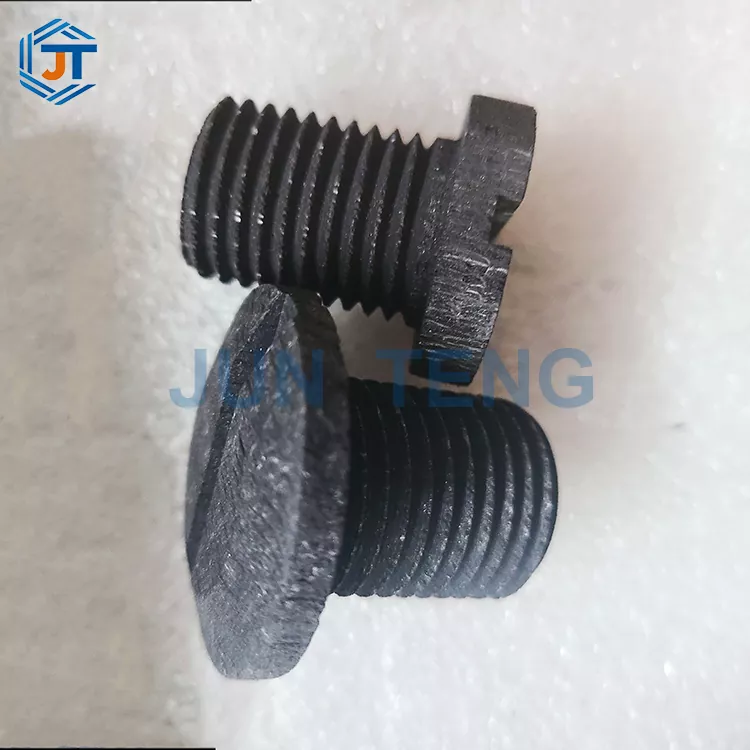
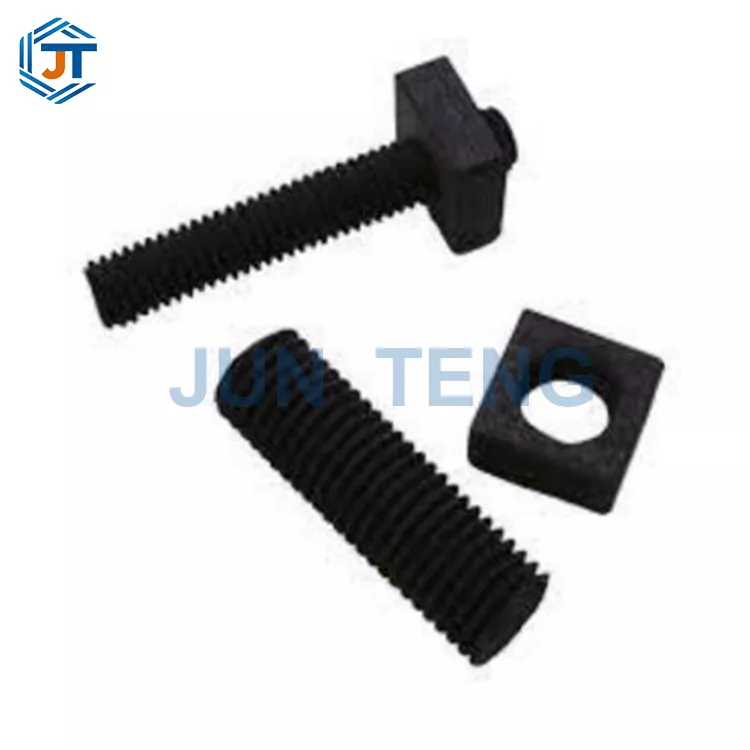
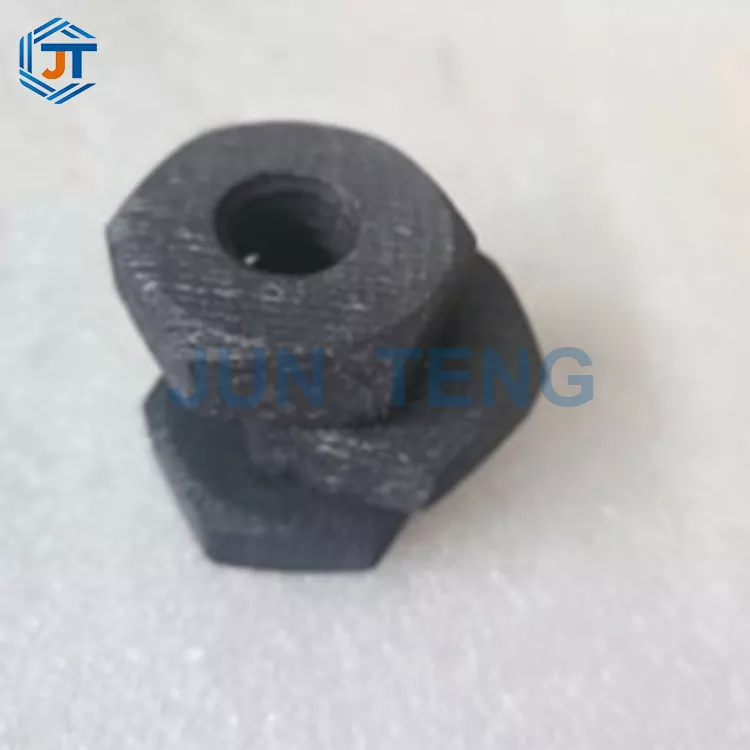
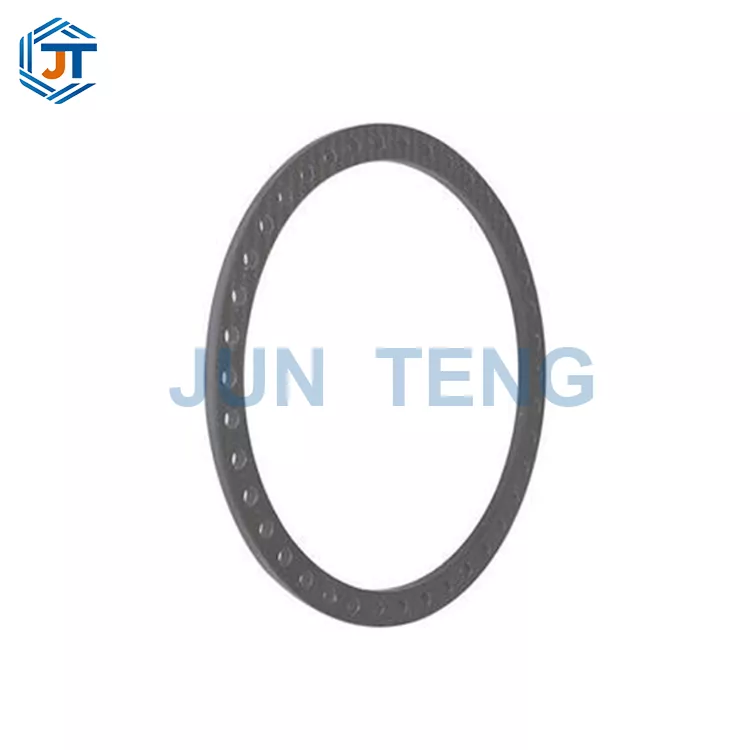
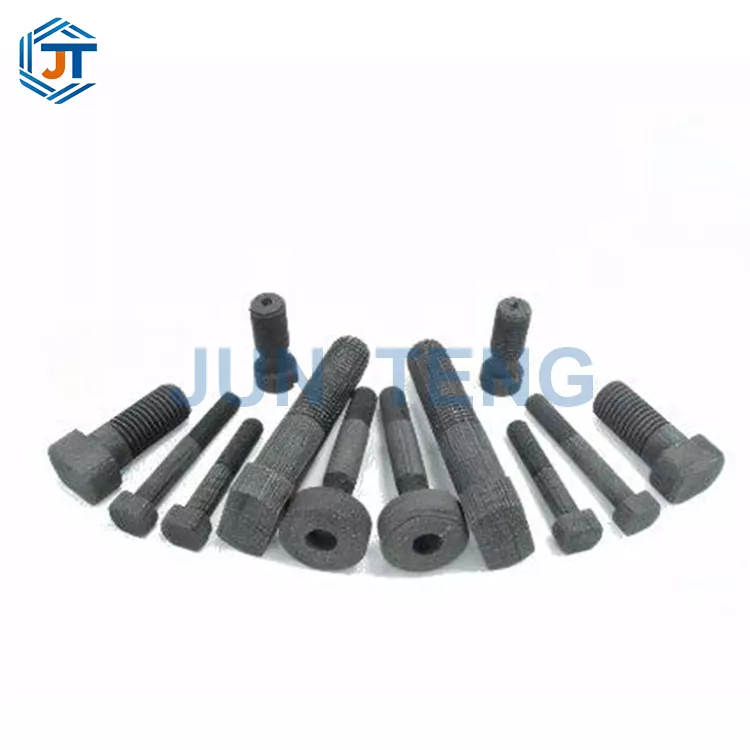
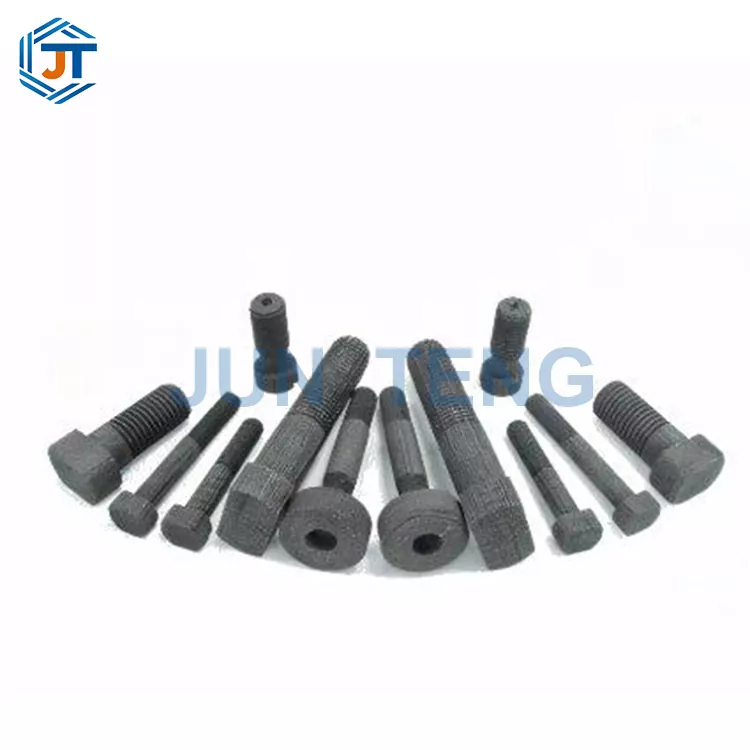
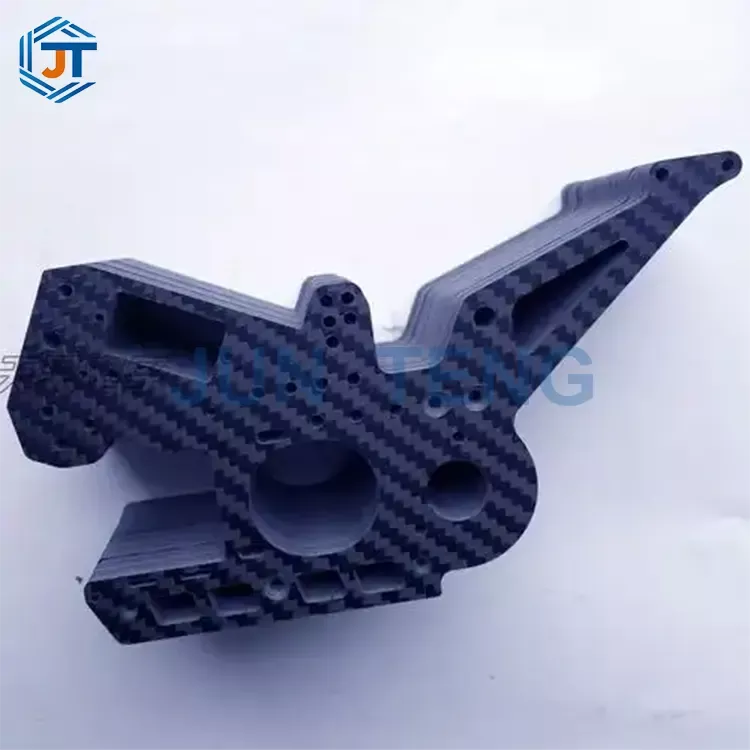
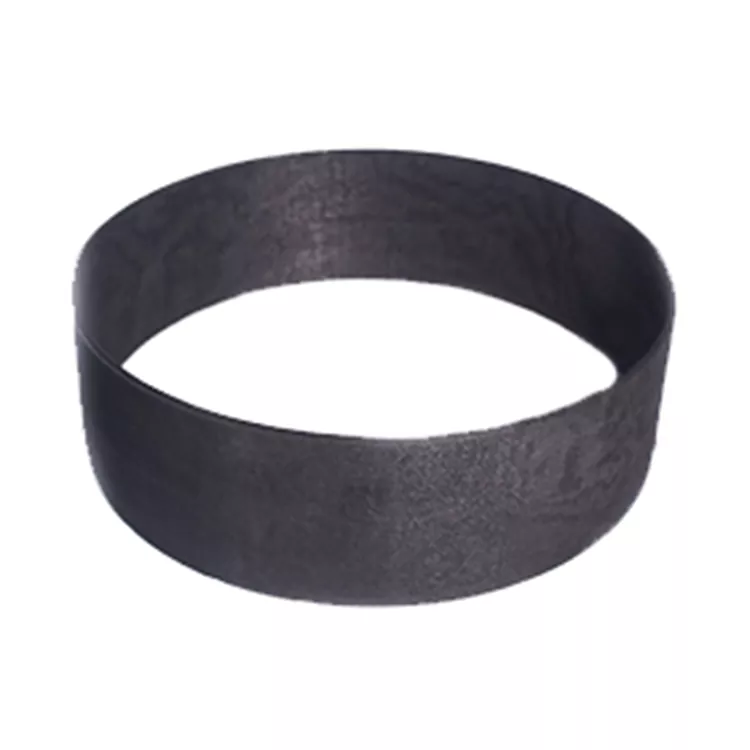
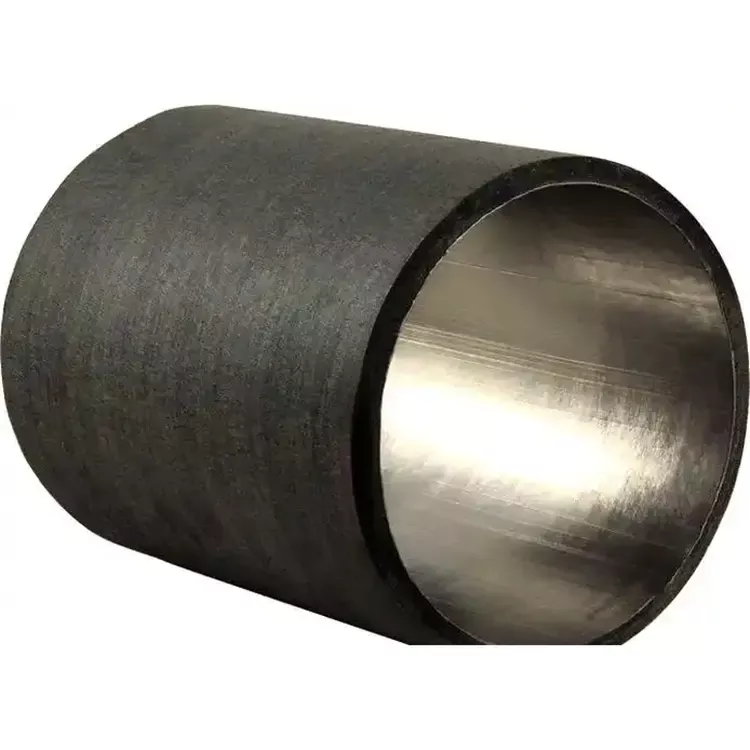
Full range of categories supporting customization, aerobic working conditions compatible coating hard insulation board and flexible insulation felt can be cut into irregular sizes according to needs, with one-stop processing of thickness, curvature, and hole opening; SiC anti-oxidation coating can be sprayed in aerobic high-temperature environment to broaden the application scenarios of equipment. It can be matched with our factory's carbon screws and washers for complete thermal field assembly.
Complete production process introduction
JUNTENG's Carbon Carbon Thermal Insulation Materials adopt closed-loop independent integrated production, with 12 processes of quality inspection and control. The first step is to select 12K continuous carbon fiber three-dimensional woven preforms to ensure that the fibers are continuously interwoven and not loose; The second step involves multiple vacuum high-pressure asphalt impregnation to fill the fiber gaps and enhance the dense insulation structure of the green body; Step 3: 1000℃segmented low-temperature carbonization curing matrix; Step 4: Ultra high temperature graphitization at 2800℃to remove inorganic impurities and achieve high purity indicators; Step 5: CNC equipment cutting, drilling, and polishing to form; Spray SiC anti-oxidation coating as needed, and store the finished product after completing appearance, size, and physical and chemical sampling inspection.
Application scenarios and practical uses
1. Photovoltaic new energy equipment: single crystal furnace, polycrystalline ingot furnace thermal field side insulation, bottom insulation layer, insulation cover lining;
2. Semiconductor precision equipment: CVD deposition furnace, vacuum diffusion furnace, high-purity annealing furnace furnace insulation lining, strict control of impurity pollution;
3. Industrial high-temperature heat treatment: Vacuum sintering furnace, carbonization furnace, graphitization furnace tooling insulation, furnace insulation layer;
4. Aerospace research equipment: high-temperature tube experimental furnace, thermal protection testing equipment, vacuum thermal simulation instrument insulation substrate.
Standardized usage instructions
1. Clean the surface processing dust of the insulation material before assembly to avoid dust residue and high-temperature volatilization pollution of the furnace chamber;
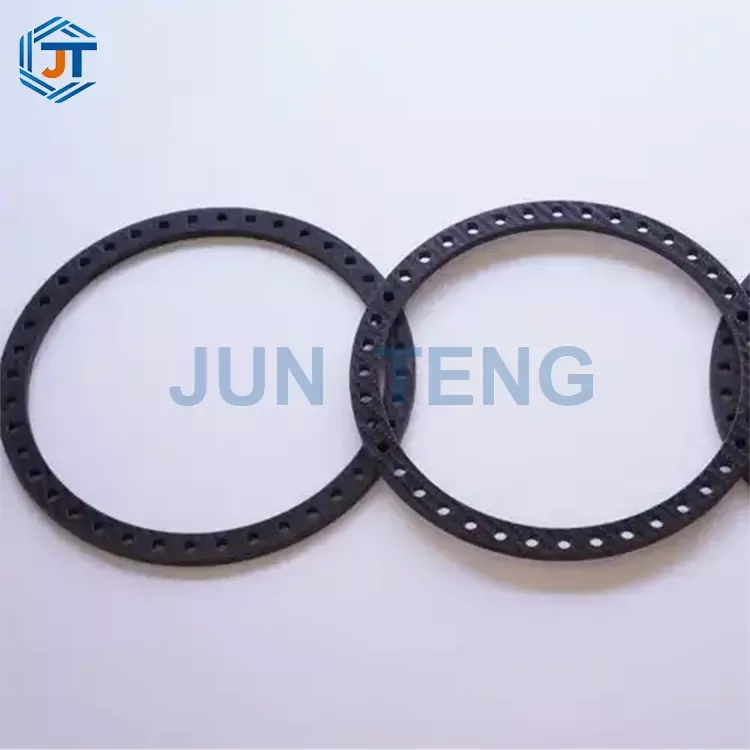
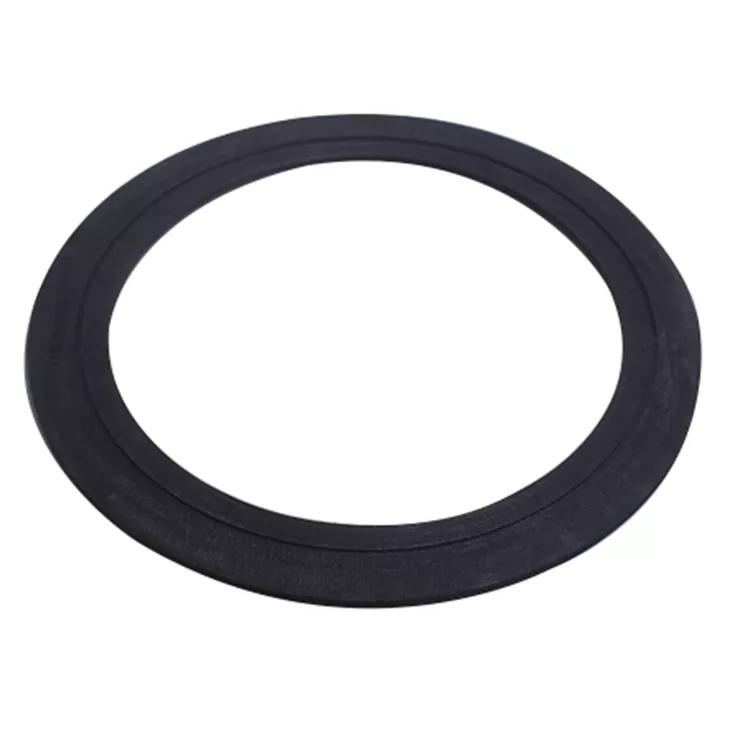
2. Assemble the hard carbon carbon insulation board with carbon carbon gaskets and carbon carbon bolts symmetrically fastened to avoid single point compression cracking;
3. The SiC coated version is only allowed to be used in an inert atmosphere of vacuum, nitrogen, or argon; Anti oxidation coating products must be selected for air environments above 800℃;
4. When laying multi-layer insulation structures, reserve a small amount of thermal expansion gap, and ensure multi-layer bonding to avoid high-temperature compression deformation;
5. It is recommended to preheat the new material for the first time by low-temperature segmented heating to remove internal adsorbed water vapor and prevent high-temperature cracking.
Precautions for use
Carbon Carbon Thermal Insulation Materials have brittle characteristics, and hard plates are strictly prohibited from impact, heavy pressure, or bending; Products without antioxidant coatings cannot be used in aerobic high-temperature environments for a long time, as they will continue to oxidize and suffer losses; Avoid frequent disassembly and movement, as repeated friction can cause surface fiber detachment; The storage environment for finished products needs to be dry and ventilated. If they become damp and absorb water, they are prone to cracking and falling off when entering the furnace; Do not mix and stack with metal insulation cotton or graphite felt, as it may cause mixed impurities to contaminate high-purity furnaces.
Customer Core Concerns and Targeted Solutions Table
|
Core Customer Concerns |
JUNTENG Supporting Solutions |
|
Ordinary carbon felts shed powder at high temperature, contaminating silicon wafers & chips and raising scrap rate |
High-purity C/C insulation substrate with low ash content and no powder precipitation, meeting ultra-high cleanliness production standards and drastically cutting waste loss |
|
Conventional insulation materials cannot withstand high temperature with short service life, requiring frequent monthly shutdown replacement |
Stable performance at 2200℃ with excellent thermal shock resistance, service life multiplied several times to reduce production line downtime losses |
|
Imported high-end thermal insulation materials carry high prices and long customization lead times |
Self-produced by 18-year source factory; standard specifications in stock for 48-hour delivery, special-shaped cutting finished within 7 days; factory prices lower comprehensive procurement costs |
|
Special-shaped furnace insulation parts have poor dimensional matching with large assembly gaps leading to insulation failure |
Five-axis CNC precise cutting & hole drilling, mold customization per customer drawings, tight furnace fitting without obvious gaps and stable thermal insulation effect |
Authoritative qualifications and certifications
The factory holds dual certifications of ISO9001 international quality management system and safety production standardization; The complete set of high-temperature resistance, thermal conductivity, ash content, and thermal shock resistance testing reports for Carbon Carbon Thermal Insulation Materials are issued by CNAS certified laboratories; The enterprise is a designated qualified supplier for multiple listed photovoltaic and semiconductor companies, and the supplier's cooperation qualifications and audit documents can be verified externally; Each batch of products comes with independent factory quality inspection documents, and the raw material batches and processing procedures can be traced throughout the entire process to prevent the mass shipment of defective products.
Frequently Asked Questions
Q1: What is the difference between Carbon Carbon Thermal Insulation Materials and regular carbon felt cores?
A: Ordinary carbon felt fibers are loose, have low purity, and are prone to powder pollution at high temperatures, with a maximum heat resistance of only 1400℃; JUNTENG carbon carbon insulation material is an integrated composite structure, dense and high-purity, with a maximum temperature resistance of 2200℃, no slagging or delamination, and the two cannot be replaced by each other.
Q2: How to choose insulation board and insulation felt?
A: Hard carbon carbon insulation board is suitable for fixed lining of standardized furnaces, with stronger load-bearing and thermal insulation stability; Flexible carbon insulation felt is suitable for irregular curved surfaces and gap filling insulation, and can be combined and used as needed.
Q3: Does it support customization of any shape, opening, or thickness?
A: Support various thicknesses, curvatures, openings, and arc shaped processing, and can be customized one-on-one according to customer furnace drawings to adapt to various new and old equipment renovations.
Q4: How long is the service life of conventional vacuum conditions?
A: Stable vacuum inert working condition for 14-28 months; SiC anti-oxidation coating products can be used in aerobic high-temperature environments for 7-12 months with extremely low losses.
Transaction guarantee and full process after-sales service
Transaction Guarantee
18 years of direct operation by the source factory without any intermediary markup, long-term bulk procurement with stable ex factory prices; Support corporate contract signing, value-added tax invoicing, and bidding qualification stamping; Free shipping of samples for high-temperature testing, full refund for samples that do not meet performance standards; Large scale orders can be signed with a quality assurance agreement. If the size and insulation performance are not qualified, we offer a return or replacement policy. Customers are welcome to visit our factory for on-site inspection; Regular standard boards and insulation felt are kept in stock, ensuring fast delivery without delaying production line scheduling.
After-sales service
Professional high-temperature material engineers provide one-on-one free working condition selection and offer a complete set of thermal field insulation assembly solutions; Free replacement for non-human damage during the warranty period; Real time synchronization of cutting and processing progress for customized orders; Lifetime free consultation on high-temperature thermal field insulation optimization and equipment modification technology; Regular technical follow-up visits to long-term cooperative customers, synchronized with the upgrade plan of new insulation composite materials, welcome new and old customers to inquire about samples and bulk purchases.
Hot Tags: Carbon Carbon Thermal Insulation Materials, China, Supplier
Send Inquiry
Contact Info
-
Address
East of Chongde 11th Road, East Zone, Economic and Technical Development Zone Project, Dezhou City, Shandong Province, China
-
Tel
-
E-mail
Welcome global purchasers to submit your demand via this inquiry page of JUN TENG carbon fiber supplier in China. You can leave your requirements on carbon fiber reinforcement fabric, woven carbon fiber fabric, carbon-carbon materials, specification customization, sample service and bulk order price. Our professional engineers will reply with tailored solutions and quotation within 24 hours.