
How Does Bidirectional Carbon Fiber Fabric Improve Composite Material Performance?
Article Summary
Bidirectional Carbon Fiber Fabric has become an essential reinforcement material for industries that require high strength, lightweight structures, and excellent durability. By arranging carbon fibers in two directions, this advanced composite material provides balanced mechanical performance, improved load distribution, and enhanced structural reliability. This article explains how Bidirectional Carbon Fiber Fabric works, why engineers choose it for demanding applications, what challenges it solves, and how JUNTENG provides reliable carbon fiber solutions for global customers.
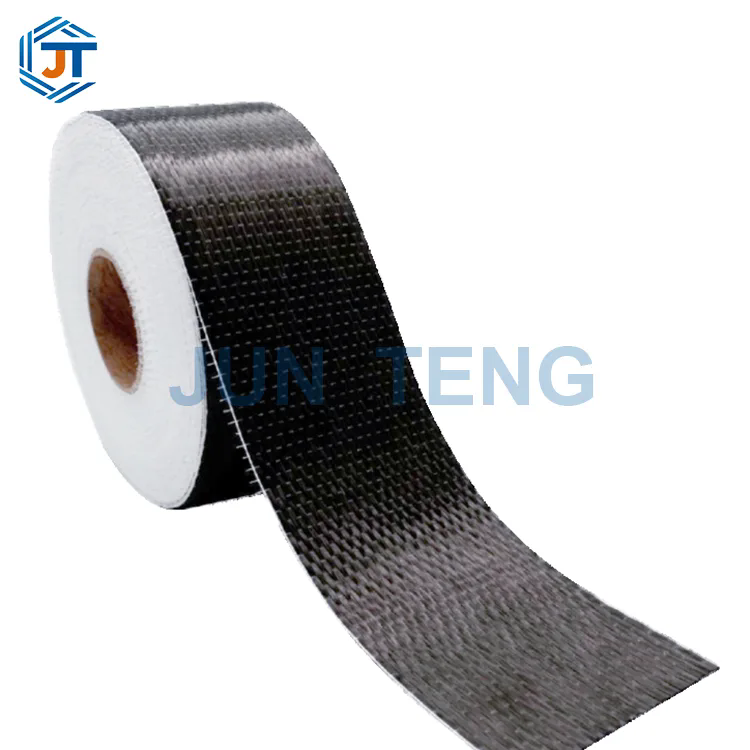
Table of Contents
- What Is Bidirectional Carbon Fiber Fabric?
- How Does the Structure of Bidirectional Carbon Fiber Fabric Work?
- What Advantages Does Bidirectional Carbon Fiber Fabric Provide?
- Where Is Bidirectional Carbon Fiber Fabric Commonly Used?
- How to Select the Right Bidirectional Carbon Fiber Fabric?
- Comparison Between Bidirectional Carbon Fiber Fabric and Other Reinforcement Materials
- Why Choose JUNTENG for Bidirectional Carbon Fiber Fabric?
- Frequently Asked Questions About Bidirectional Carbon Fiber Fabric
Article Outline
- Understanding the working principle of Bidirectional Carbon Fiber Fabric
- Analyzing performance benefits and engineering value
- Exploring industrial applications and customer challenges
- Learning how to choose suitable carbon fiber reinforcement materials
- Understanding JUNTENG’s professional carbon fiber solutions
What Is Bidirectional Carbon Fiber Fabric?
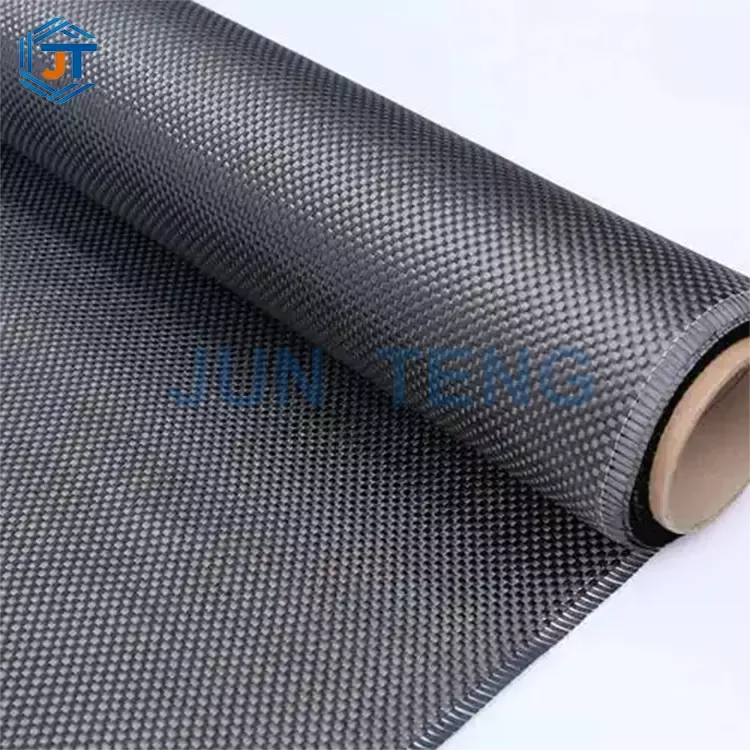
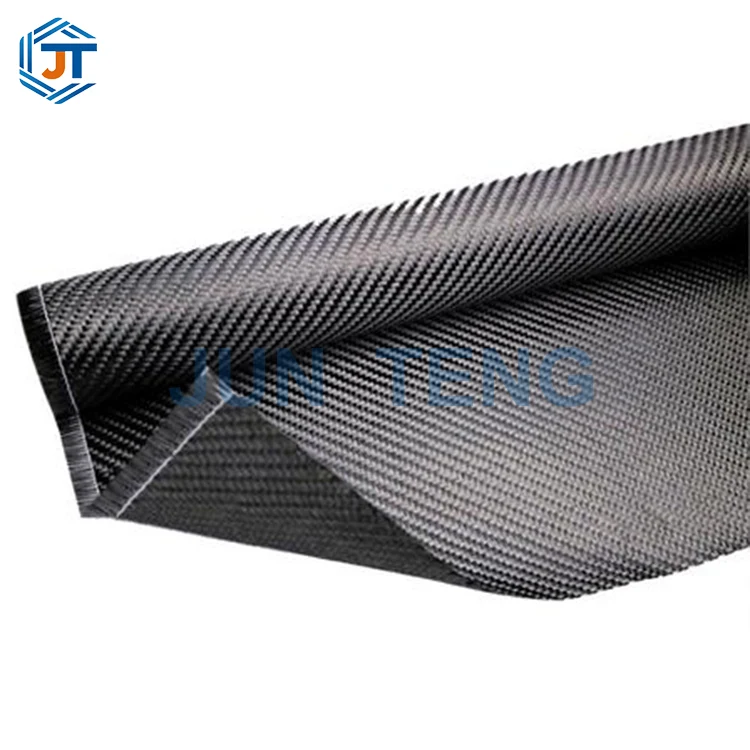
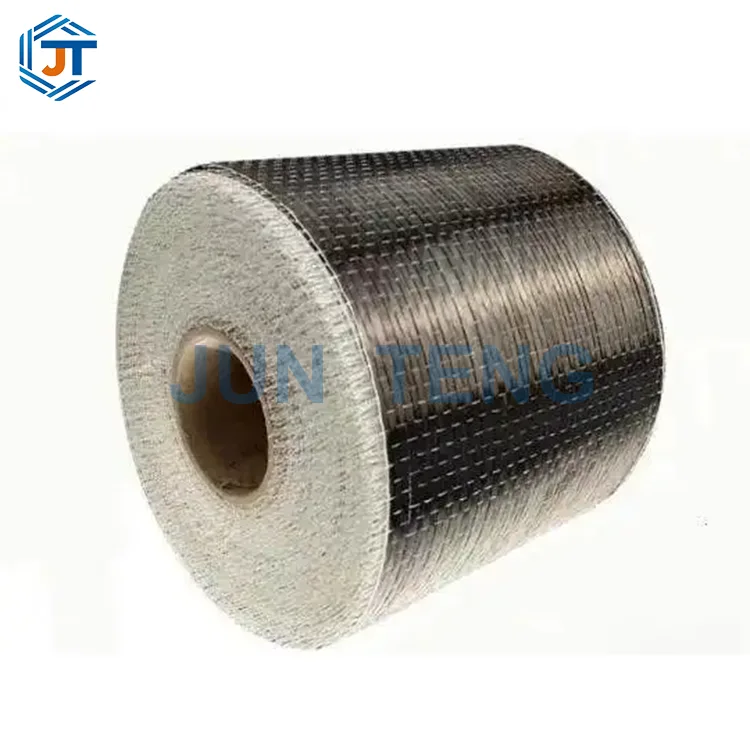
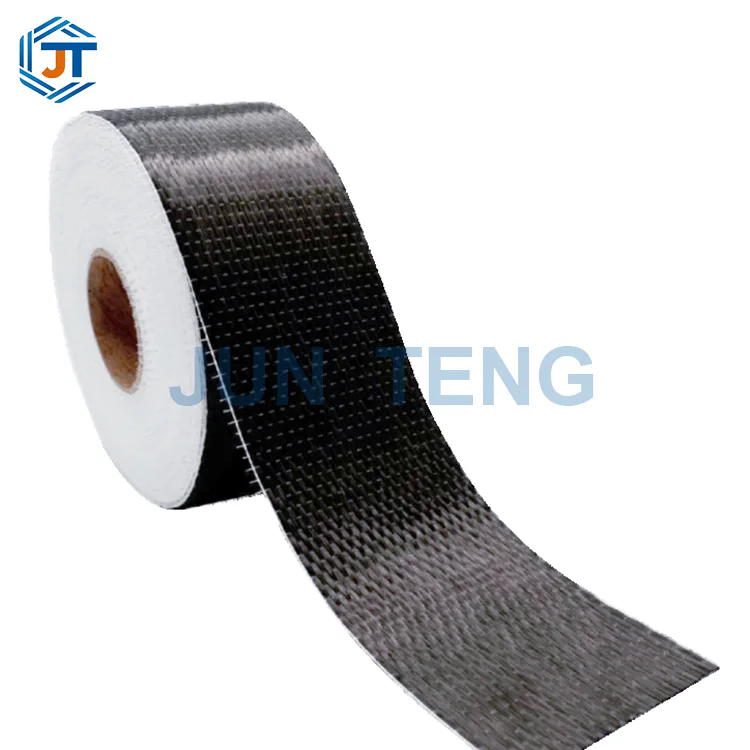
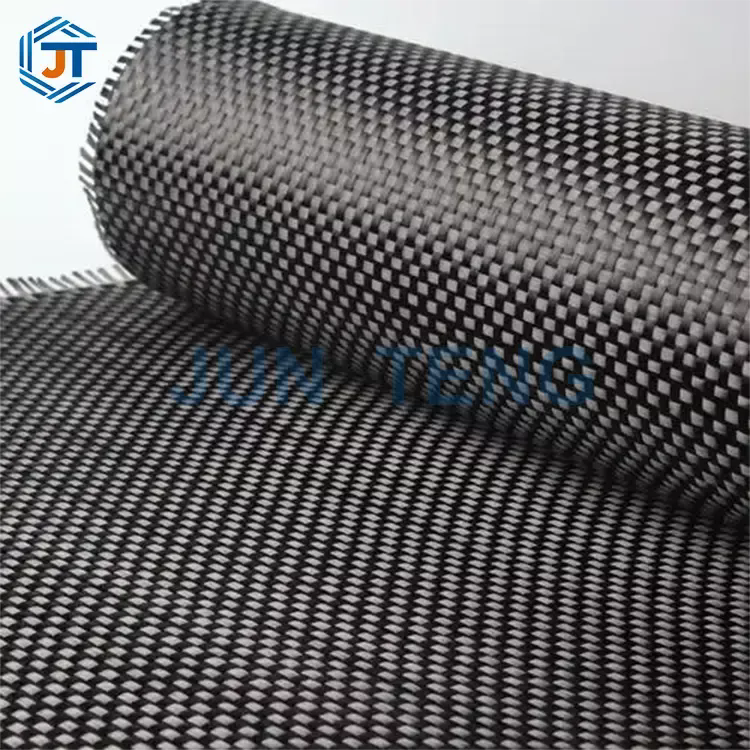
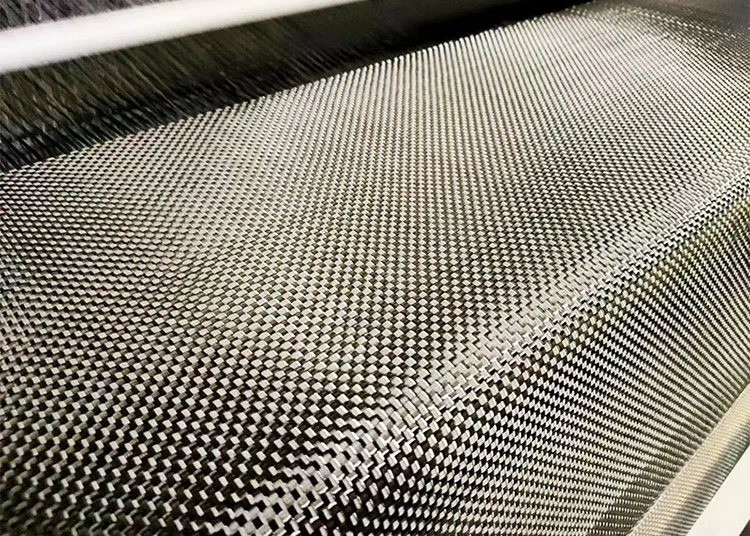
Bidirectional Carbon Fiber Fabric is a composite reinforcement material made by weaving carbon fibers in two primary directions, commonly known as 0° and 90° orientations. Unlike unidirectional carbon fiber materials that mainly provide strength in one direction, bidirectional fabric offers more balanced reinforcement because fibers support loads from multiple angles.
This unique structure allows Bidirectional Carbon Fiber Fabric to handle complex stress conditions, including tension, compression, bending, and impact forces. For manufacturers and engineers, this means stronger components, improved safety, and longer service life without adding unnecessary weight.
Modern industries increasingly demand materials that combine lightweight characteristics with outstanding mechanical performance. From aerospace components to automotive structures, the need for efficient reinforcement solutions continues to grow. Bidirectional Carbon Fiber Fabric meets these requirements by providing excellent strength-to-weight ratio and design flexibility.
How Does the Structure of Bidirectional Carbon Fiber Fabric Work?
The performance of Bidirectional Carbon Fiber Fabric comes from its carefully engineered fiber arrangement. The weaving process places carbon fiber strands horizontally and vertically, creating a stable reinforcement network.
| Fiber Direction | Main Function | Performance Benefit |
|---|---|---|
| 0° Direction | Handles primary tensile loads | Provides high strength along the main force direction |
| 90° Direction | Supports cross-directional stress | Improves stability and load distribution |
| Combined Structure | Balances multiple forces | Creates reliable and durable composite performance |
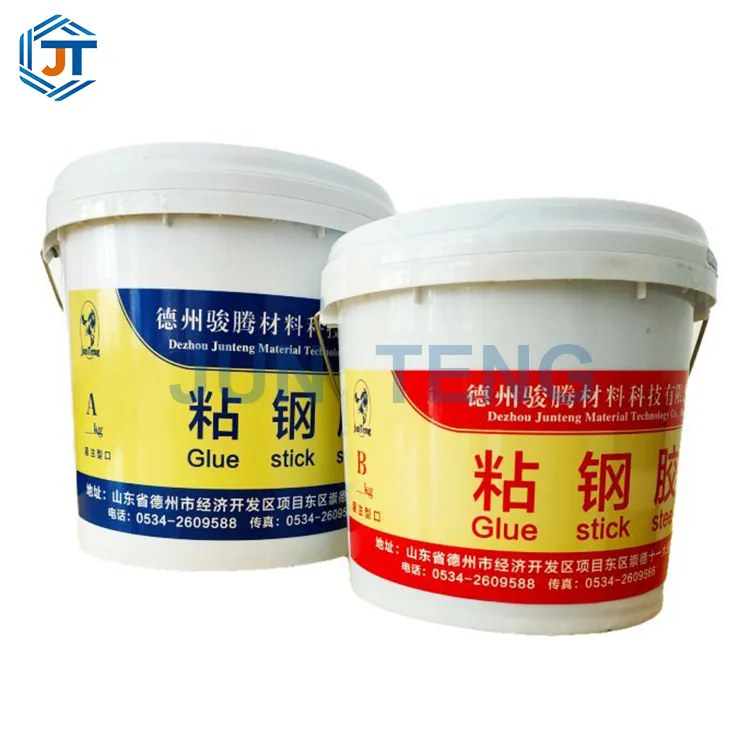
When combined with resin systems, Bidirectional Carbon Fiber Fabric forms a strong composite structure. The carbon fibers carry most of the mechanical load, while the resin transfers stress between fibers and protects the reinforcement system.
This combination helps solve common engineering problems such as material fatigue, excessive weight, corrosion damage, and structural failure under repeated stress.
What Advantages Does Bidirectional Carbon Fiber Fabric Provide?
Choosing the right reinforcement material directly affects product performance and manufacturing efficiency. Bidirectional Carbon Fiber Fabric offers several important advantages.
- Balanced Mechanical Strength: The two-direction fiber arrangement provides excellent strength in different loading conditions.
- Lightweight Construction: Carbon fiber delivers high strength while significantly reducing structural weight compared with traditional metals.
- Excellent Fatigue Resistance: The material maintains stable performance during repeated loading cycles.
- Corrosion Resistance: Carbon fiber does not rust like steel, making it suitable for harsh environments.
- Design Flexibility: Fabric structures can adapt to complex shapes and customized engineering requirements.
| Customer Challenge | Bidirectional Carbon Fiber Fabric Solution |
|---|---|
| Heavy structural weight | Provides lightweight reinforcement without sacrificing strength |
| Material fatigue problems | Offers stable performance under repeated stress |
| Limited design options | Allows flexible composite manufacturing |
| Environmental corrosion | Provides excellent resistance against chemical and moisture damage |
Where Is Bidirectional Carbon Fiber Fabric Commonly Used?
Because of its excellent combination of strength, durability, and lightweight properties, Bidirectional Carbon Fiber Fabric is widely applied across multiple industries.
- Aerospace Industry: Used for aircraft structures, interior components, and lightweight reinforcement systems.
- Automotive Manufacturing: Applied in vehicle body parts, racing components, and performance upgrades.
- Marine Applications: Helps produce lightweight and durable boat structures.
- Sports Equipment: Used in bicycles, protective equipment, and high-performance sporting products.
- Industrial Reinforcement: Supports strengthening projects for buildings, machinery, and special structures.
Different industries have different requirements for thickness, fiber density, weave pattern, and resin compatibility. Therefore, selecting the correct Bidirectional Carbon Fiber Fabric specification is critical for achieving the expected performance.
How to Select the Right Bidirectional Carbon Fiber Fabric?
Selecting suitable carbon fiber fabric requires considering several technical factors. A wrong choice may increase production costs or reduce final product performance.
| Selection Factor | Why It Matters |
|---|---|
| Fiber Weight | Determines reinforcement level and material thickness |
| Weave Pattern | Affects flexibility, strength distribution, and processing performance |
| Fiber Quality | Influences durability and final composite performance |
| Resin Compatibility | Ensures strong bonding between fabric and matrix material |
Professional suppliers can help customers evaluate application requirements and recommend suitable solutions. Working with an experienced manufacturer reduces material selection risks and improves production efficiency.
Comparison Between Bidirectional Carbon Fiber Fabric and Other Reinforcement Materials
| Material | Strength | Weight | Durability |
|---|---|---|---|
| Bidirectional Carbon Fiber Fabric | Excellent | Very Lightweight | High |
| Steel Reinforcement | High | Heavy | Moderate |
| Glass Fiber Fabric | Good | Medium | Good |
Compared with traditional reinforcement materials, Bidirectional Carbon Fiber Fabric provides better performance where weight reduction and high mechanical efficiency are priorities.
Why Choose JUNTENG for Bidirectional Carbon Fiber Fabric?
JUNTENG focuses on providing reliable carbon fiber material solutions for customers requiring high-performance composite reinforcement products.
With professional manufacturing experience and strict quality control processes, JUNTENG understands that every application has unique requirements. The company provides carbon fiber fabric products designed to deliver stable mechanical properties, consistent quality, and dependable performance.
- High-quality carbon fiber materials
- Professional manufacturing technology
- Stable product consistency
- Solutions for different industrial applications
- Support for customized requirements
Whether customers need lightweight structural reinforcement, industrial composite solutions, or customized carbon fiber materials, JUNTENG works to provide products that match practical application demands.
Frequently Asked Questions About Bidirectional Carbon Fiber Fabric
Q1: What makes Bidirectional Carbon Fiber Fabric different from unidirectional carbon fiber?
Bidirectional Carbon Fiber Fabric contains fibers arranged in two directions, allowing it to distribute forces more evenly. Unidirectional carbon fiber mainly focuses strength along one specific direction.
Q2: Can Bidirectional Carbon Fiber Fabric be customized?
Yes. Manufacturers can adjust fabric weight, thickness, weave structure, and other specifications according to application requirements.
Q3: Is Bidirectional Carbon Fiber Fabric suitable for outdoor environments?
Yes. Carbon fiber materials provide excellent resistance against corrosion and environmental conditions when properly combined with suitable resin systems.
Q4: Why is lightweight performance important in composite materials?
Reducing weight helps improve energy efficiency, transportation performance, and overall structural efficiency while maintaining strength.
Q5: How can customers choose the correct carbon fiber fabric?
Customers should consider application conditions, required strength, processing method, and compatibility with other materials before selecting a product.
Conclusion
Bidirectional Carbon Fiber Fabric provides a powerful solution for modern engineering challenges by combining lightweight design, excellent strength, and long-term durability. Its unique two-direction fiber structure allows manufacturers to create safer, stronger, and more efficient composite products.
With professional experience and a commitment to quality, JUNTENG continues to support customers worldwide with dependable carbon fiber fabric solutions. If you are looking for high-performance Bidirectional Carbon Fiber Fabric for your specific application, contact us today to discuss your requirements and receive professional support.
Related News
- Why Are Carbon Carbon Studs Becoming the Preferred Fastening Solution for Ultra-High-Temperature Applications
- How Does Jacquard Carbon Fiber Fabric Improve Performance and Design Possibilities?
- How Does Unidirectional Carbon Fiber Fabric Improve Composite Performance?
- How Does Bidirectional Twill Carbon Fiber Fabric Improve Composite Material Performance?
- How Does Carbon Fiber Reinforcement Adhesive Improve Structural Strength and Durability?
- Global Carbon Fiber Composite Industry Sees Dual Growth in Infrastructure Reinforcement & High-Temp Thermal Field Materials
Leave me a message